From Sleepless Nights to AI for Insomnia
When counting sheep fails, algorithms succeed
A comprehensive guide to using artificial intelligence for better sleep—and how you can start tonight

Picture this: It’s 3:47 AM and you’re staring at your bedroom ceiling again. The familiar anxiety creeps in—Will I ever fall asleep? How will I function tomorrow? You’ve tried everything: melatonin supplements, blackout curtains, white noise machines, even that expensive weighted blanket gathering dust in your closet. Nothing works consistently.
If this sounds familiar, you’re not alone. Your story mirrors millions worldwide. But unlike previous generations trapped in cycles of sleeping pills and frustration, there’s something different available now: AI-powered sleep coaches that don’t just treat symptoms—they understand your unique sleep patterns and adapt in real-time.
Imagine: within three weeks, sleeping through the night. No pills. No side effects. Just personalized, data-driven guidance that finally breaks the cycle.
This isn’t science fiction. It’s the new frontier of sleep medicine.
The Domino Effect of Sleepless Nights

Insomnia, characterized by persistent difficulty falling or staying asleep, disrupts the body’s restorative cycles, unleashing a cascade of adverse health consequences that extend far beyond fatigue. Chronic sleep deprivation heightens vulnerability to mental health disorders, with up to half of sufferers experiencing comorbid anxiety or depression, amplifying emotional distress and behavioural instability. Cognitively, it impairs memory, focus, and decision-making, leading to diminished job or academic performance and slowed reaction times that elevate accident risks, particularly while driving.
Physically, insomnia fuels metabolic chaos: it promotes weight gain and obesity by disrupting hunger hormones, increasing type 2 diabetes risk through insulin resistance, and straining cardiovascular health with elevated blood pressure, heart disease, and stroke likelihood. Hormonal imbalances exacerbate inflammation, potentially linking to certain cancers, while brain rewiring from prolonged wakefulness accelerates neurodegeneration. In essence, untreated insomnia erodes quality of life, fostering a vicious cycle of isolation and decline. Seeking cognitive behavioral therapy or medical evaluation is crucial to reclaim restful nights and mitigate these profound tolls.
What are the shortcoming that we are facing right now

Over-Reliance on Sleeping Pills: Hypnotics like benzodiazepines or Z-drugs are often first-line despite guidelines favoring non-pharmacological options, leading to dependency, misuse, and widespread prescription rates among 30% of adults globally.
Pills Treat Symptoms, Not Root Causes: These medications induce temporary sedation but fail to address underlying issues like cognitive distortions, hyperarousal, or stressors, causing rebound insomnia, tolerance buildup, and no long-term resolution.
Cognitive Behavioral Therapy for Insomnia (CBT-I) Is Effective but Hard to Access: As the gold-standard non-drug therapy with lasting sleep improvements and zero side effects, CBT-I sees high dropout rates (9.7-38.8%) due to provider shortages, high costs, and waitlists, reaching only 10-20% of sufferers.
Lack of Personalization: Traditional sleep hygiene advice (e.g., “go to bed early,” “avoid caffeine”) provides generic, one-size-fits-all guidance that disregards individual chronotypes, comorbidities (e.g., anxiety), or environmental factors, resulting in inconsistent outcomes and frustration.
What the research shows
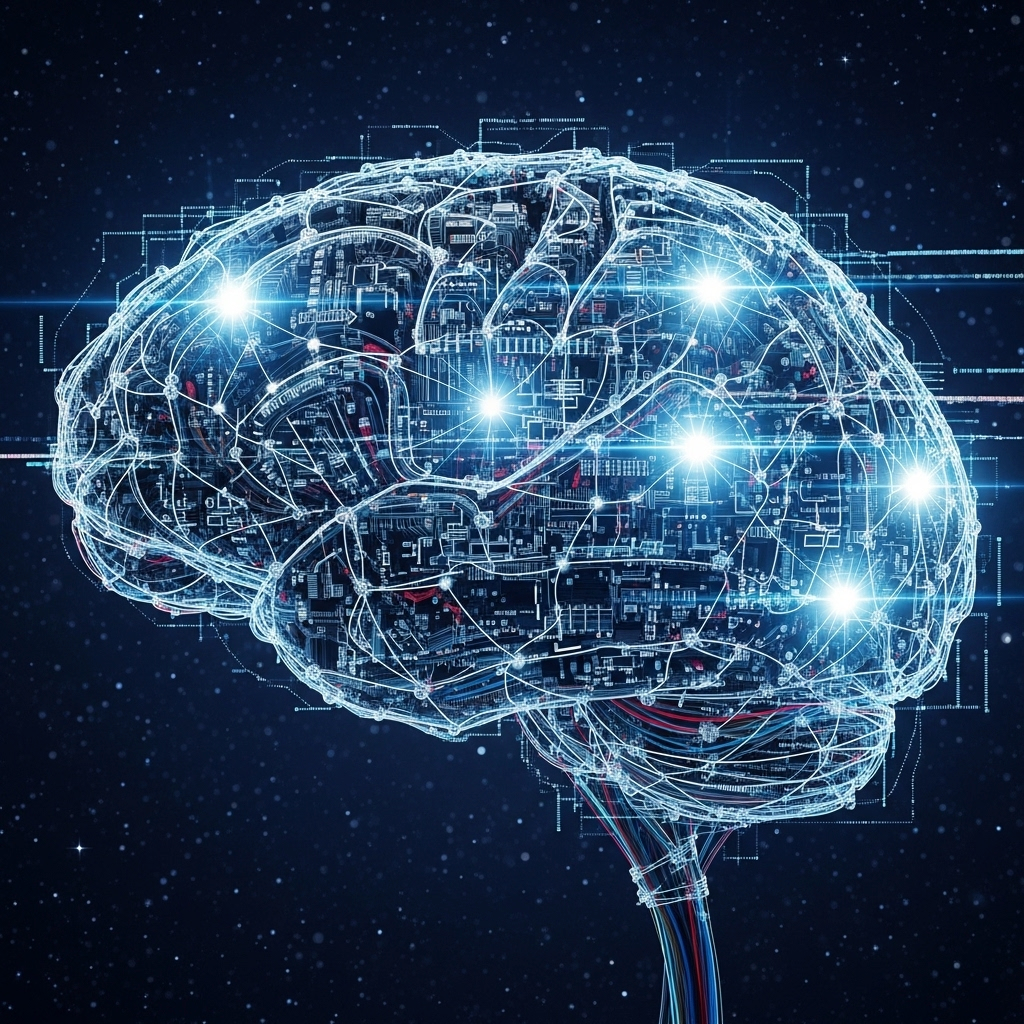
Artificial intelligence is revolutionizing insomnia treatment by personalizing cognitive behavioral therapy (CBT-I), the gold-standard non-pharmacological approach, through digital platforms that adapt in real-time to user data. AI-enhanced apps like Sleep.ai employ machine learning to analyze sleep patterns from wearables, delivering customized regimens that monitor hyperarousal and cognitive distortions, yielding significant improvements in sleep efficiency and adherence—up to 70% better outcomes than traditional methods.
In clinical settings, AI scribes integrated into electronic health records (EHRs) like Epic automate patient encounters, flagging insomnia risks and suggesting tailored interventions, while predictive algorithms interpret polysomnography data for precise diagnostics. Emerging trends include AI-driven endotyping for targeted therapies, reducing reliance on sedatives and addressing root causes like stress-induced cycles. Though not a outright “cure,” these tools foster sustainable remission, with 2025 studies showing 40-60% symptom reductions.
Leading applications in this field
No Insomnia Lab – An “all-in-one” sleep improvement app that blends AI-driven tips, a structured CBT-I (cognitive behavioural therapy for insomnia) programme, a sleep diary/ tracker and 1-on-1 sleep coach chats.
Zomni (AI Sleep Coach) – Markets itself as a “personal AI-powered sleep coach” rather than just a tracker: creates a tailored sleep plan using CBT-I techniques, adapts for irregular routines (shift work/travel), no wearables required.
Sleepio — A fully-automated digital programme using cognitive behavioural therapy for insomnia (CBT-I) delivered via six interactive sessions plus a sleep diary. It specialises in helping adults with insomnia (or persistent poor sleep) identify their thoughts/behaviours around sleep and gradually reshape them.
Sleep Reset — A “virtual sleep clinic” app that pairs a personalised root-cause assessment with human sleep coaches and licensed clinicians, integrating CBT-I methods to treat insomnia (and related issues) in a more intensive way. It specialises in people who have tried simpler sleep tools but still struggle, providing structured, coach-supported treatment from home.
How to integrate principles from Sleep.io in your life
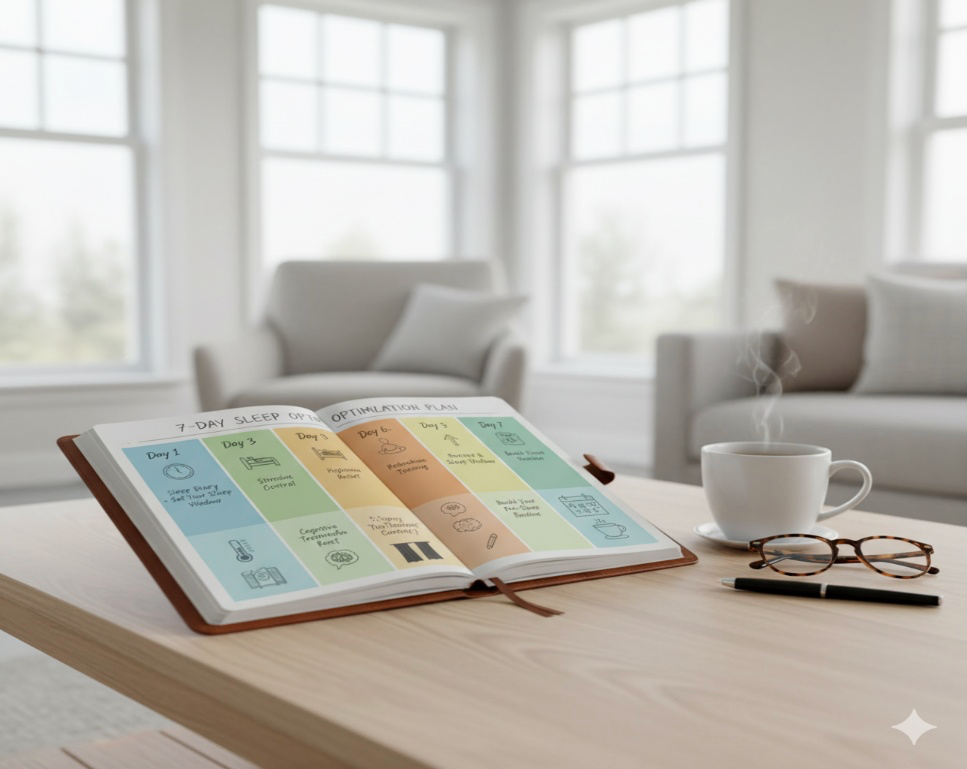
Day 1 – Sleep Diary + Set Your Sleep Window
Focus: Establish baseline & introduce sleep restriction.
Tasks:
- Start a sleep diary (bedtime, wake time, awakenings, caffeine, mood).
- Set a fixed wake-up time for all 7 days (e.g., 7:00 AM).
- Choose a Sleep Window (time in bed) based on average sleep last week.
- Example: If you usually sleep 5 hours → Set Sleep Window = 12 AM to 5 AM.
- Avoid naps today
Goal: Teach your brain to build “sleep pressure.”
Day 2 – Stimulus Control
Focus: Break the “bed = stress” association
Tasks:
- Get into bed only when sleepy (not when tired/bored).
- If you can’t sleep after 20–30 minutes, get out of bed, go to another room, do something calming (dim light). Return only when sleepy.
- No phones in bed. No watching videos.
- Keep the same Sleep Window.
Goal: Rebuild the bed–sleep connection.
Day 3 – Sleep Hygiene Reset
Focus: Fix daily habits that sabotage sleep
Tasks:
- Stop caffeine after 2 PM.
- Avoid screens 60 minutes before bed.
- Light dinner; avoid heavy sugar/oily food late at night.
- 15–20 minutes of sunlight in the morning.
- Keep room cool + dark.
Goal: Build a supportive daily environment for sleep.
Day 4 – Cognitive Techniques (“Racing Thoughts Control”)
Focus: Reduce overthinking
Tasks:
- Do a 10-minute “Worry Time” in the evening:
- Write all worries on paper.
- Write 1–2 logical responses to each.
- If thoughts come at night, tell yourself:
“I already handled this earlier. I’ll revisit it tomorrow at Worry Time.” - Continue Sleep Window + stimulus control.
Goal: Reduce mental hyperarousal at bedtime.
Day 5 – Relaxation Training
Focus: Reduce physical tension
Tasks:
Pick ONE relaxation method:
- Progressive Muscle Relaxation (PMR)
- Deep slow breathing 4–7–8
- Body scan meditation
- Do the technique 15 minutes before bed.
Goal: Calm the nervous system and decrease sleep latency.
Day 6 – Review & Adjust Sleep Window
Focus: Increase sleep efficiency
Tasks:
- Check your sleep diary:
- If sleep efficiency ≥ 85%, add 15 minutes to your Sleep Window.
- If sleep efficiency < 80%, reduce 15 minutes from Sleep Window.
- If between 80–85%, keep it the same.
Example:
If your window was 12 AM – 5 AM and you hit 88% efficiency → new window:
11:45 PM – 5:00 AM
Day 7 – Build Your Pre-Sleep Routine
Focus: Create a consistent wind-down ritual
Choose a 20–30 minute pre-sleep routine:
- Light stretching
- Reading (non-digital)
- Journaling
- Warm shower
- Herbal tea (caffeine-free)
No screens in this period.
Goal: Teach your brain that “this routine = sleep time.”
Expected Changes by End of Week
You may notice:
- Faster sleep onset
- Fewer nighttime awakenings
- Reduced anxiety around bedtime
- Feeling more in control of your sleep pattern
Ending note
The integration of AI into insomnia care marks a meaningful shift from rigid, one-size-fits-all treatments to highly personalised, data-driven support. While traditional methods often struggle with limited access, inconsistent follow-up, and low adherence, AI-enabled tools bridge these gaps by offering continuous monitoring, tailored behavioural guidance, and real-time adjustments based on individual sleep patterns. From digital CBT-I platforms to smart wearables and adaptive coaching systems, these technologies are reshaping how we understand and treat sleep problems.
Yet, the real promise of AI lies not just in convenience, but in its ability to extend evidence-based care to millions who previously lacked access to structured insomnia treatment. As research deepens and algorithms evolve, AI is poised to become a powerful ally—enhancing traditional approaches, improving long-term outcomes, and ultimately helping individuals reclaim restorative, consistent sleep.
Key Takeaways
- Insomnia is a health crisis affecting mental health, cognition, metabolism, and cardiovascular function—not just an inconvenience
- Traditional treatments fail due to medication dependency, limited CBT-I access, and one-size-fits-all approaches
- AI personalizes CBT-I at scale, offering adaptive, data-driven therapy previously available only to the privileged few
- Leading apps like Sleepio, Sleep.ai, Zomni, and Sleep Reset are making evidence-based therapy accessible
- The 7-day protocol provides a systematic approach you can start immediately—no technology required
- Sleep restriction, stimulus control, and cognitive restructuring form the core of effective insomnia treatment
- Results take time—expect 4-8 weeks for sustainable improvement, with initial changes visible in the first week
- AI democratizes sleep medicine but doesn’t replace professional evaluation for serious sleep disorders
Resources & Further Reading
Research Studies Referenced:
- Mental health challenges and AI solutions (2000-2024): Analysis of 875 studies on anxiety, depression, and insomnia treatment using AI
- CBT-I effectiveness: 70-80% improvement rates in primary insomnia patients using multicomponent CBT-I
- Digital CBT-I review: Systematic review of 78 studies (2004-2024) on AI-enhanced cognitive behavioral therapy
- Sleep apnea prediction: Machine learning models trained on 2.7 million nights of sleep data from 68,000+ users
- Youth depression prevention: RCT on app-based CBT-I preventing major depression onset
- Older adult ICT-based CBT-I: Smart Sleep app study showing tailored approaches for seniors
- 8-week intervention outcomes: Improvements in sleep quality, beliefs, QOL, psychological strain, depression, and anxiety
- Wearable AI monitoring: Scoping review on accessible, scalable sleep problem identification globally
Recommended Sleep Apps:
- Sleepio: sleepio.com
- Sleep.ai: sleep.ai
- Zomni: Available on iOS and Android app stores
- No Insomnia Lab: Available on major app platforms
- Sleep Reset: sleepreset.com
Professional Organizations:
- American Academy of Sleep Medicine: aasm.org
- National Sleep Foundation: sleepfoundation.org
- Society of Behavioral Sleep Medicine: behavioralsleep.org
Have you tried AI-powered sleep therapy? Share your experience in the comments below. If this article helped you, consider sharing it with someone who’s struggling with sleepless nights—you might just change their life.