The End of Endless Pain: How AI is Revolutionizing Chronic Pain Treatment
When the ache never stops, artificial intelligence steps in
How cutting-edge technology is transforming pain management from pills and procedures to personalized, data-driven relief

It’s 2:00 AM. You’re awake again. Not by choice—by pain. That familiar burning sensation radiates down your spine, the same relentless ache that’s been your unwelcome companion for months, maybe years. You’ve tried everything: prescription painkillers that left you foggy and dependent, physical therapy sessions that drained your wallet, heating pads that offered temporary comfort at best.
You’re not broken. You’re not weak. You’re one of the estimated 1.5 billion people worldwide living with chronic pain—a condition so pervasive that it costs the U.S. economy alone over $600 billion annually in healthcare expenses and lost productivity.
But what if there was a different way? What if instead of masking symptoms or enduring invasive procedures, you could access personalized pain relief that learns from your body, adapts to your needs, and puts control back in your hands?
Welcome to the new frontier of pain management, where artificial intelligence isn’t just assisting doctors—it’s revolutionizing how we understand, treat, and ultimately overcome chronic pain.
The Silent Epidemic: Understanding Chronic Pain
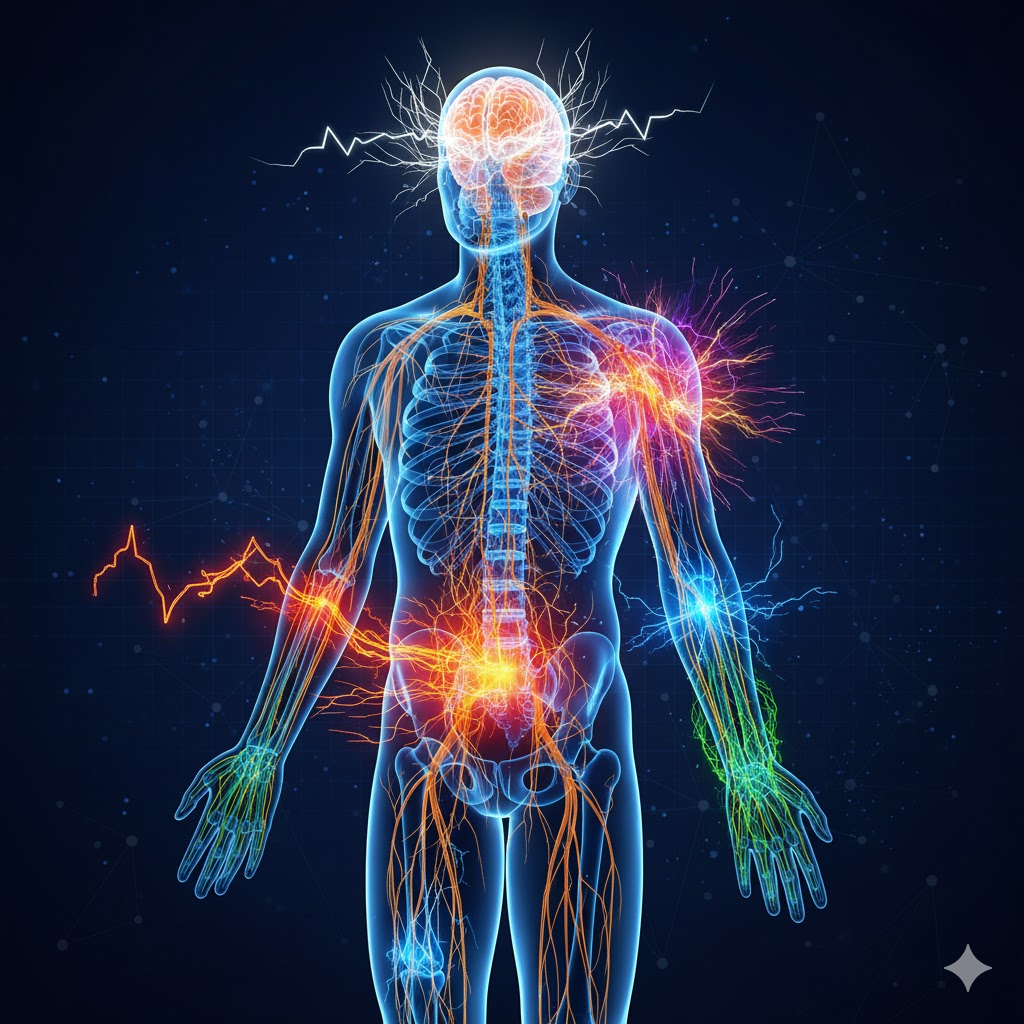
Before we dive into solutions, let’s understand what you’re facing. Chronic pain isn’t just “pain that won’t go away.” It’s a complex medical condition that transforms your nervous system into a hypervigilant alarm system stuck in the “on” position.
What Makes Pain “Chronic”?
Chronic pain is defined as persistent discomfort lasting over 3-6 months, outlasting normal healing from injury or illness. Unlike acute pain—which alerts you to immediate harm like touching a hot stove—chronic pain often becomes a disease in its own right.
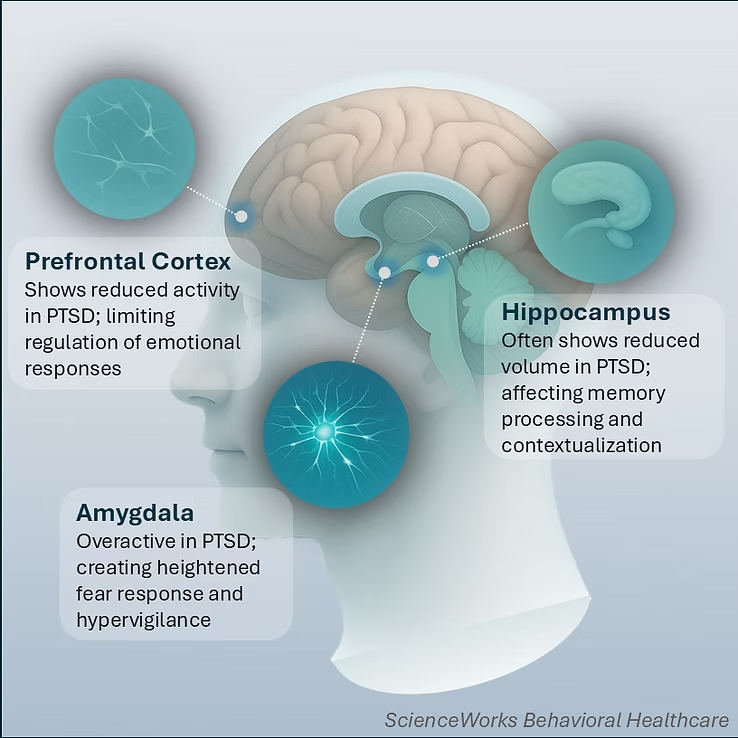
Your body rewires itself. Nerve sensitization occurs. Your brain’s pain processing centers become overactive. What started as an injury or illness evolves into a self-perpetuating cycle where your nervous system amplifies pain signals even after the original cause has healed.
In the United States, the prevalence of chronic pain is estimated to be upwards of 40%. That’s nearly 130 million Americans living with persistent pain—more than diabetes, heart disease, and cancer combined.
The Many Faces of Chronic Pain
Chronic pain manifests in countless ways:
Neuropathic pain: Burning, shooting sensations from nerve damage (diabetic neuropathy, post-surgical pain)
Musculoskeletal pain: Deep aching in joints, muscles, and bones (arthritis, fibromyalgia, chronic back pain)
Inflammatory pain: Swelling and tenderness from conditions like rheumatoid arthritis
Myofascial pain: Trigger points and referred pain in muscle tissue
Each person’s experience is unique. Your back pain isn’t the same as someone else’s, even if the diagnosis sounds identical. This variability is precisely why traditional one-size-fits-all approaches fail so spectacularly.
Why Traditional Pain Management Keeps Failing You

You’ve been down this road. You know the drill. But let’s examine why the current system isn’t working—and why you shouldn’t blame yourself for its failures.
The Opioid Trap: Treating Symptoms, Ignoring Causes
Walk into most pain clinics complaining of chronic pain, and there’s a high probability you’ll leave with a prescription for opioids, NSAIDs, or other pharmaceuticals. The problem? These medications don’t address underlying mechanisms—they merely mask symptoms.
The brutal reality of pharmaceutical pain management:
- Temporary relief, permanent problems: Opioids provide short-term pain reduction but lead to tolerance, requiring ever-increasing doses for the same effect
- Dependency develops rapidly: Physical dependence can occur within weeks of regular use
- Side effects compound suffering: Constipation, cognitive fog, nausea, and hormonal disruption add new problems to your existing pain
- No long-term resolution: When you stop taking the medication, the pain returns—often worse than before
The opioid crisis has claimed hundreds of thousands of lives, yet prescriptions continue flowing because the medical system lacks better alternatives. Current options often struggle to provide long-term relief, with their benefits rarely outweighing the risks, such as dependency or other side effects.
Physical Therapy: Helpful But Incomplete
Physical therapy can be valuable—when it’s properly personalized and consistently applied. Unfortunately, most people experience:
Limited access: Insurance covers only a handful of sessions, insufficient for chronic conditions
Generic protocols: Cookie-cutter exercises that don’t account for your specific biomechanics, lifestyle, or comorbidities
Poor adherence: Without ongoing guidance and adjustment, home exercise programs often get abandoned
Incomplete pain management: Physical therapy addresses mechanical issues but often ignores neurological sensitization and psychological factors
Interventional Procedures: Expensive Gambles
Injections, nerve blocks, and surgical interventions come with significant costs and risks:
- Temporary efficacy: Many procedures provide relief for weeks or months, not years
- Complications: Infection, nerve damage, and failed procedures create new problems
- Limited accessibility: High costs and specialized requirements restrict availability
- Trial-and-error approach: What works for one patient may fail completely for another
The fundamental flaw in all these approaches? They’re reactive, standardized, and unable to adapt to your body’s changing needs. They treat chronic pain as if it’s a simple, static problem rather than the complex, dynamic condition it truly is.
Enter Artificial Intelligence: A Paradigm Shift in Pain Care

Artificial Intelligence (AI) in chronic pain management emphasizes its application in personalized diagnostics, predictive modeling, and optimized treatment strategies. This isn’t science fiction—it’s happening now, transforming how millions manage their pain.
Why AI Changes Everything
Traditional pain management operates on historical protocols: “This drug worked for other patients with similar diagnoses, so try it.” AI flips this paradigm completely.
The use of AI also has the potential to revolutionize our precision-medicine approach to managing patients with acute and chronic pain. Here’s how:
1. Personalization at Scale
AI analyzes YOUR data—your pain patterns, treatment responses, lifestyle factors, and physiological markers—to create truly individualized therapy. Not a protocol based on statistical averages, but treatment optimized for your unique biology.
2. Real-Time Adaptation
Unlike static treatment plans that remain unchanged between doctor visits, AI continuously monitors your response and adjusts therapy dynamically. If something isn’t working, the system detects it immediately and modifies the approach.
3. Pattern Recognition Beyond Human Capability
AI has impacted four key areas of chronic pain treatment: predicting outcomes based on clinical information; extracting features from text, specifically clinical notes; modeling ‘omic data to identify meaningful patient subgroups; and disentangling complex neuronal signals responsible for pain.
Machine learning algorithms identify subtle correlations humans miss—connections between your diet, sleep, stress, weather, activity levels, and pain intensity that create your personal pain signature.
4. Predictive Intervention
AI doesn’t just respond to pain—it predicts it. By analyzing trends in your data, AI systems can warn you of impending pain flares before they occur, allowing preventive intervention rather than reactive damage control.
The Market Speaks: AI Pain Management is Exploding
The artificial intelligence (AI)-powered chronic pain coaching market will grow from $1.37 billion in 2024 to $1.68 billion in 2025 at a compound annual growth rate (CAGR) of 22.8%, expected to reach $3.77 billion in 2029.
This explosive growth reflects both technological advancement and desperate demand from patients like you who’ve exhausted traditional options.
The Game Changer: NXTSTIM EcoAI
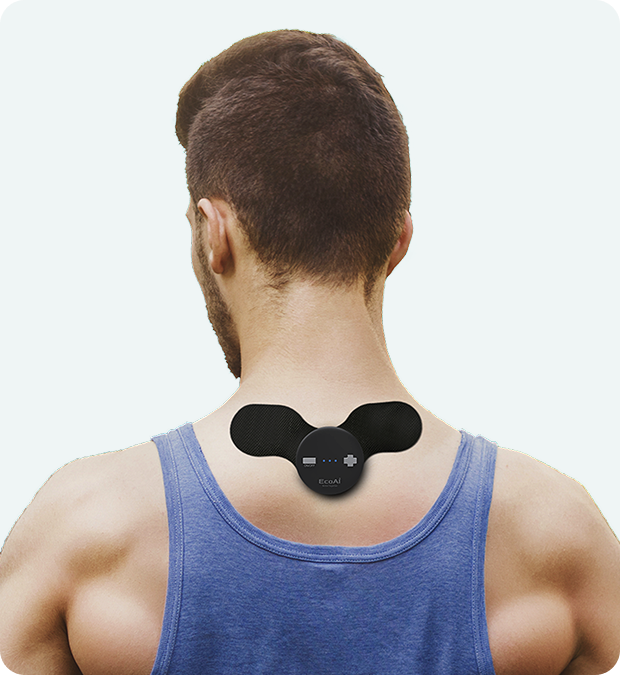
Among the emerging AI-powered pain solutions, one platform stands out for its combination of clinical effectiveness, accessibility, and technological sophistication: the NXTSTIM EcoAI system.
What Makes EcoAI Different?
The NXTSTIM EcoAI platform combines transcutaneous electrical nerve stimulation (TENS) and electrical muscle stimulation (EMS) with machine learning algorithms, cloud-based analytics, and remote patient monitoring (RPM). This closed-loop system dynamically adjusts stimulation parameters based on real-time patient data, enhancing efficacy and user engagement.
Let’s break down what this means for you:
Dual-Mode Stimulation
TENS (Transcutaneous Electrical Nerve Stimulation): Delivers gentle electrical pulses through your skin to interrupt pain signals traveling to your brain. Think of it as a sophisticated gate-keeper that prevents pain messages from reaching your conscious awareness.
EMS (Electrical Muscle Stimulation): Causes controlled muscle contractions that improve circulation, reduce stiffness, and promote healing in affected tissues.
Most devices offer one or the other. EcoAI delivers both, synchronized and personalized.
AI-Powered Personalization
Here’s where it gets revolutionary. EcoAI uses AI to create personalized neurostimulation programs that are tailored to each kind of pain. Using big data from all patients on the NXTSTIM Digital EcoSystem, the smart device provides program preferences based on thousands of users.
When you use EcoAI:
- You place the wireless, Oreo-sized device on the area experiencing pain
- Via the smartphone app, you answer brief questions about your pain intensity, location, and quality
- The AI engine analyzes your responses alongside data from thousands of other users with similar conditions
- It selects and customizes stimulation parameters specifically for your situation
- As you continue using the device, it learns from your responses and continuously refines treatment
The Closed-Loop Advantage
Traditional TENS devices offer fixed settings. You turn them on, they deliver stimulation, you turn them off. No learning. No adaptation.
Unlike traditional devices, EcoAI uses real-time patient feedback and machine learning to adapt stimulation parameters during home use, enhancing efficacy and engagement. This closed-loop system means every session makes the next one better.
Remote Monitoring and Clinical Oversight
EcoAI provides continuous data and patient-reported feedback to your physician in a closed loop fashion, so they can track your progress and make adjustments to your treatment plan as needed.
Your doctor doesn’t need to guess how you’re doing between appointments. They see objective data: how often you’re using the device, how your pain levels trend over time, which programs provide the most relief. This enables truly informed clinical decision-making.
The Evidence: Real-World Results That Matter

Clinical data from NXTSTIM’s real-world studies is impressive:
A real-world study enrolled 550 adult patients with different pain sites such as back pain, neck pain, shoulder pain, and knee pain. After 18 months of using EcoAI, 92% of patients reported pain improvement compared to baseline scores. About 66% of the patients showed at least a 40% improvement in visual analogue pain scale scores.
Let that sink in. Over 18 months—not days or weeks—nine out of ten patients experienced meaningful improvement. Two-thirds achieved clinically significant pain reduction of 40% or more.
More impressive still? No adverse events were reported throughout the entire study period. Compare that safety profile to opioids, which kill tens of thousands annually.
A more recent 24-month study expanded these findings: This retrospective observational cohort study analyzed de-identified data from 2135 adult users across the United States between January 2023 and March 2025, demonstrating the platform’s scalability and sustained effectiveness.
EcoAI has delivered 85% daily engagement, 75% accuracy in predicting pain intensity, and 0 adverse events, supporting 3,000+ patients.
Daily engagement of 85% is extraordinary. Most home therapy devices sit unused in closets after the first few weeks. EcoAI’s high engagement reflects both its effectiveness and user-friendly design.
How EcoAI Works in Your Daily Life
Imagine waking up with that familiar lower back pain. In the past, you’d pop pills and hope for the best. With EcoAI:
Morning (7:00 AM)
You open the EcoAI app on your smartphone. It asks you to rate your current pain (7/10 today—rough night). You apply the gel pad to your lower back, connect the device via Bluetooth.
The AI reviews your history: you’ve been using EcoAI for six weeks. It knows your pain typically peaks in mornings and responds best to specific frequencies. It automatically selects a “Relieve” program customized for your lower back pain pattern.
You press start. Within minutes, you feel the gentle pulsing sensation. It’s not uncomfortable—more like a deep massage. You go about your morning routine while the device works.
Midday (12:30 PM)
The app sends a gentle reminder. How’s your pain now? You report 4/10—significant improvement. The AI logs this data, noting that today’s morning session was highly effective.
Evening (8:00 PM)
As you wind down, you notice pain creeping back (6/10). You apply EcoAI again. This time, the AI suggests a different program—one that combines pain relief with muscle relaxation to help you sleep better.
Over Weeks and Months
The AI identifies patterns: your pain is worse on Mondays (work stress?), better after swimming, and increases before weather changes. It begins suggesting preemptive sessions before predicted flare-ups. Your physician reviews your progress dashboard remotely, noting the positive trend and adjusting your overall treatment plan accordingly.
This isn’t hypothetical—this is how users are experiencing EcoAI right now.
Beyond EcoAI: The Broader AI Pain Management Landscape
While EcoAI represents a breakthrough in device-based therapy, AI is transforming pain management across multiple fronts:
AI-Powered Diagnostic Tools
The use of AI has already been described in the literature for pain diagnostics, objective pain assessment, resource management and research initiatives.
Machine learning algorithms analyze medical imaging, patient histories, and biomarkers to identify pain sources that traditional diagnostics miss. For chronic pain sufferers who’ve been told “we can’t find anything wrong,” AI-driven diagnostics finally provide answers.
Predictive Modeling for Treatment Outcomes
Machine Learning Clinical Decision Support for Interdisciplinary Multimodal Chronic Musculoskeletal Pain Treatment enables physicians to predict which treatments will work for you before you waste months trying ineffective approaches.
The AI analyzes your complete medical profile—genetics, lifestyle, comorbidities, previous treatment responses—and forecasts your likelihood of success with various interventions. No more treatment roulette.
Virtual Pain Coaching
AI-powered apps provide 24/7 guidance on pain management strategies, behavioral modifications, and coping techniques. Like having a pain psychologist available anytime you need support, these systems deliver cognitive behavioral therapy principles adapted to your specific situation.
Spinal Cord Stimulation Enhancement
Integrating AI with spinal cord stimulation significantly improves patient outcomes through predictive modeling for patient selection and real-time adaptive stimulation.
For patients with severe, treatment-resistant pain who require implanted devices, AI optimizes stimulation parameters continuously, improving efficacy dramatically over traditional static programming.
What This Means For You: Practical Steps Forward

You’ve read about the technology. You’ve seen the data. Now what?
Assess Your Current Situation
Ask yourself honestly:
- Is your current pain management approach actually working, or are you just surviving?
- Are side effects from your medications creating new problems?
- Would you benefit from a treatment you can control, that adapts to your needs?
- Are you willing to try a non-invasive, non-pharmaceutical approach with no known adverse effects?
If you answered “yes” to any of these, AI-powered pain management deserves serious consideration.
Understand Your Options
For Device-Based Therapy (like EcoAI):
✓ Ideal for: Localized pain (back, neck, joints, shoulders, knees), neuropathic pain, post-surgical pain, arthritis, fibromyalgia
✓ Requires: Smartphone, commitment to regular use (15-30 minutes daily), prescription from participating physician
✓ Benefits: Non-invasive, no systemic side effects, reduces medication dependence, provides objective progress tracking
✓ Covered by: Many insurance plans including Medicare (check with your provider)
For AI-Powered Apps and Digital Therapeutics:
✓ Ideal for: Learning pain management strategies, behavioral modification, stress reduction, complementing other treatments
✓ Requires: Smartphone or computer, willingness to engage with digital content
✓ Benefits: Low cost or free, accessible anywhere, privacy-protected
For Advanced Interventions:
✓ Ideal for: Severe, treatment-resistant pain not responding to conservative measures
✓ Requires: Specialist evaluation, potentially surgical implantation
✓ Benefits: Dramatic pain reduction for appropriate candidates, AI-enhancement improves traditional approaches
Talk to Your Doctor
Bring this information to your next appointment. Ask specifically:
“I’ve been reading about AI-powered pain management devices like NXTSTIM EcoAI. Based on my condition, could this be an appropriate option for me?”
“Are you familiar with prescription neuromodulation devices that use artificial intelligence? Could we explore non-pharmaceutical approaches?”
“Can you refer me to a pain specialist who works with advanced technology-based treatments?”
Many physicians aren’t yet familiar with these newer options—not because they’re ineffective, but because they’re cutting-edge. You may need to educate your provider. Bring printouts of research studies (links provided at the end of this article).
Set Realistic Expectations
AI-powered pain management isn’t magic. It won’t make chronic pain vanish overnight. But the evidence shows:
What You Can Reasonably Expect:
- Meaningful pain reduction (40-50% or more) over weeks to months
- Reduced reliance on pain medications
- Improved function—ability to work, exercise, socialize
- Better sleep quality
- Increased sense of control over your condition
- Objective tracking of your progress
What Won’t Happen:
- Instant, complete pain elimination
- Cure of underlying structural problems (though pain can improve even without “fixing” the structure)
- Success without engagement (you must use the device regularly)
Consider the Long-Term Investment
Yes, some AI-powered pain solutions require upfront costs. But consider the alternative:
Traditional Approach Annual Costs:
- Prescription medications: $1,200-$4,800/year
- Physical therapy co-pays: $600-$2,000/year
- Doctor visits: $400-$1,200/year
- Lost productivity: immeasurable
- Side effects and complications: immeasurable
AI Device-Based Therapy:
- Device cost: Often covered by insurance; out-of-pocket typically $500-$1,500 one-time
- Ongoing costs: Replacement gel pads ($50-$100/year)
- Reduced medication costs: savings of $1,000+/year
- Improved productivity: priceless
The financial analysis favors innovative approaches—and that’s before accounting for improved quality of life.
The Future: Where AI Pain Management Is Headed
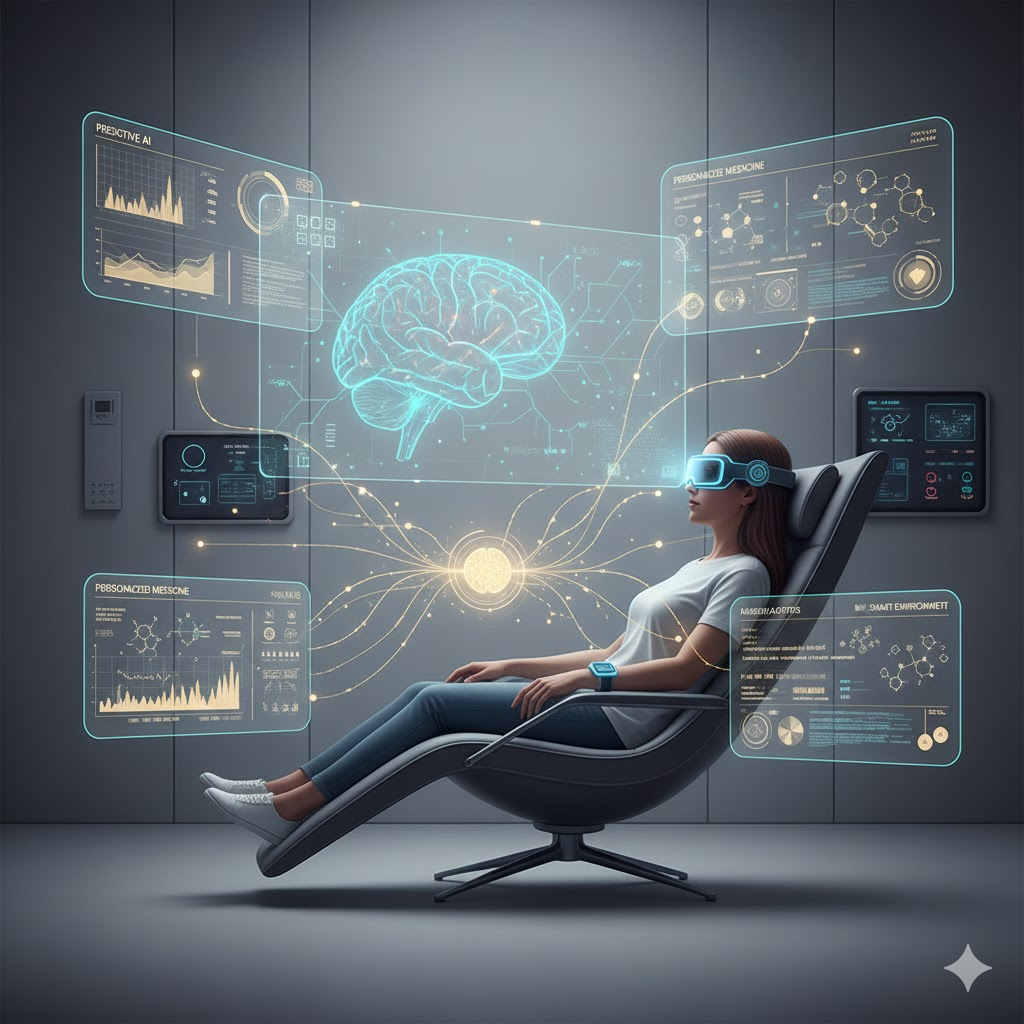
We’re only at the beginning of AI’s potential in pain care.
Next-Generation Innovations on the Horizon
Multimodal Integration
Future systems will simultaneously manage:
- Electrical neuromodulation
- Pharmacological interventions (smart drug delivery)
- Behavioral therapy prompts
- Physical rehabilitation guidance
All coordinated by AI analyzing real-time data from multiple sources.
Predictive Pain Prevention
To achieve more effective outcomes in chronic pain management, future research should prioritize identifying chronic pain mechanisms, management, and rehabilitation while leveraging a wider range of algorithms and architectures.
Advanced AI will predict pain episodes days in advance based on biometric data, weather patterns, activity levels, sleep quality, and stress markers. Imagine receiving an alert: “Based on current data, you have an 80% chance of a pain flare tomorrow afternoon. Begin preventive protocol now.”
Personalized Pain Phenotyping
AI will identify your unique pain “endotype”—the specific biological mechanisms driving YOUR pain. This enables truly precision medicine: targeting the exact pathways causing your suffering rather than generic approaches.
Brain-Computer Interfaces
Experimental systems are already using AI to decode pain-related brain signals and deliver targeted interventions that modulate neural activity directly. This could help even the most treatment-resistant chronic pain conditions.
Explainable AI for Clinicians
Explainable AI could be leveraged for optimized pain management and informed decision-making. Current AI systems work brilliantly but don’t explain their reasoning. Future versions will show doctors exactly why they recommend specific treatments, building trust and enabling hybrid human-AI clinical decision-making.
The Bottom Line: Your Pain Doesn’t Have to Define You
The true power of AI lies in envisioning a comprehensive system in which AI is used to optimize patient care at every interaction with clinicians. By embracing this wide-reaching approach, we can truly benefit from the potential of AI to continuously learn, adapt and evolve based upon vast data collections created throughout the evolution of a patient’s care.
You’ve lived with chronic pain long enough. You’ve tried the pills, endured the procedures, suffered the side effects. You’ve been told to “just manage it” or “learn to live with it.”
But why should you accept a diminished life when technology can offer something better?
AI-powered pain management isn’t a distant future fantasy—it’s available now. Real people are experiencing real relief. The evidence is compelling. The safety profile is exceptional. The potential to reclaim your life is genuine.
You deserve more than mere survival. You deserve effective, personalized care that puts you in control. You deserve technology that works as hard as you do to overcome pain.
The age of intelligent, adaptive, patient-centered pain management has arrived.
Your move.
Key Takeaways
- Chronic pain affects over 1.5 billion people globally and costs hundreds of billions in healthcare expenses and lost productivity
- Traditional pain management fails due to medication side effects, limited personalization, reactive approaches, and poor long-term outcomes
- AI revolutionizes pain care through real-time personalization, predictive modeling, continuous adaptation, and pattern recognition beyond human capability
- NXTSTIM EcoAI represents breakthrough technology combining TENS/EMS with machine learning for 92% improvement rates and zero adverse events
- Clinical evidence is robust: Real-world data from thousands of users demonstrates sustained pain reduction over 18-24 months
- Multiple AI approaches exist: Device-based therapy, virtual coaching, enhanced diagnostics, and optimized interventional procedures
- The market is exploding: AI pain management growing at 22.8% annually, reaching $3.77 billion by 2029
- Future innovations promise even more: Predictive prevention, personalized phenotyping, brain-computer interfaces, and integrated multimodal care
Research Studies & Resources Referenced
Key Clinical Studies:
- AI in Chronic Pain Management Overview – Akhtar ZB. (2025). “Exploring AI for pain research management: A deep dive investigative exploration.” Journal of Pain Research Management, 1(1):28-42. Link
- Transforming Personalized Pain Management – Meier TA, et al. (2024). “The Role and Applications of Artificial Intelligence in the Treatment of Chronic Pain.” Current Pain and Headache Reports, 28(8):769-784. PubMed: 38822995
- Moving Towards AI in Pain Management – Antel R, et al. (2025). “Moving towards the use of artificial intelligence in pain management.” European Journal of Pain, 29(3):e4748. PubMed: 39523657
- AI-Enhanced Spinal Cord Stimulation – Prunskis JV, et al. (2025). “The Application of Artificial Intelligence to Enhance Spinal Cord Stimulation Efficacy for Chronic Pain Management.” Current Pain and Headache Reports, 29(1):85. PubMed: 40394275
- Cracking the Chronic Pain Code – (2024). “Cracking the Chronic Pain code: A scoping review of Artificial Intelligence in Chronic Pain research.” ScienceDirect, March 21, 2024. Link
- Patient-Centered AI Pain Care – Piette JD, et al. (2022). “Patient-centered pain care using artificial intelligence and mobile health tools: a randomized comparative effectiveness trial.” JAMA Internal Medicine, 182(9):975-983.
NXTSTIM EcoAI Studies:
- 18-Month Real-World Outcomes – NXTSTIM. (2024). “NXTSTIM EcoAI™ using Novel AIML Technology shows outstanding 18-month real-world outcomes data.” Press Release, June 25, 2024
- EcoAI Platform Review – Green M, Chakravarthy K. (2025). “Artificial intelligence–enhanced pain management: the NXTSTIM EcoAI platform.” Pain Management, 15(8). PubMed: 40590837
- 24-Month Real-World Effectiveness – Green M, et al. (2025). “Real-World Effectiveness of a Novel AI-Software Dependent Neuromodulation System.” Journal of Pain Research, August 23, 2025. Dovepress
- TENS and EMS Advancements – (2025). “Latest Advancements in Transcutaneous Electrical Nerve Stimulation (TENS) and Electronic Muscle Stimulation (EMS).” PMC. PMC11733168
Market Analysis:
- AI Pain Coaching Market Report – (2025). “AI Powered Chronic Pain Coaching Research Report 2025: Market to Hit $3.77 Billion by 2029.” GlobeNewswire, November 4, 2025. Link
Additional Resources:
- NXTSTIM Official Website: nxtstim.com
- American Chronic Pain Association: theacpa.org
- International Association for the Study of Pain: iasp-pain.org
- U.S. Pain Foundation: uspainfoundation.org
Have you tried AI-powered pain management? What has your experience been with chronic pain treatment? Share your story in the comments—your insights could help someone else find relief.