Your pager is the new nicotine — every alert gives a hit of cortisol. Here’s how to quit.
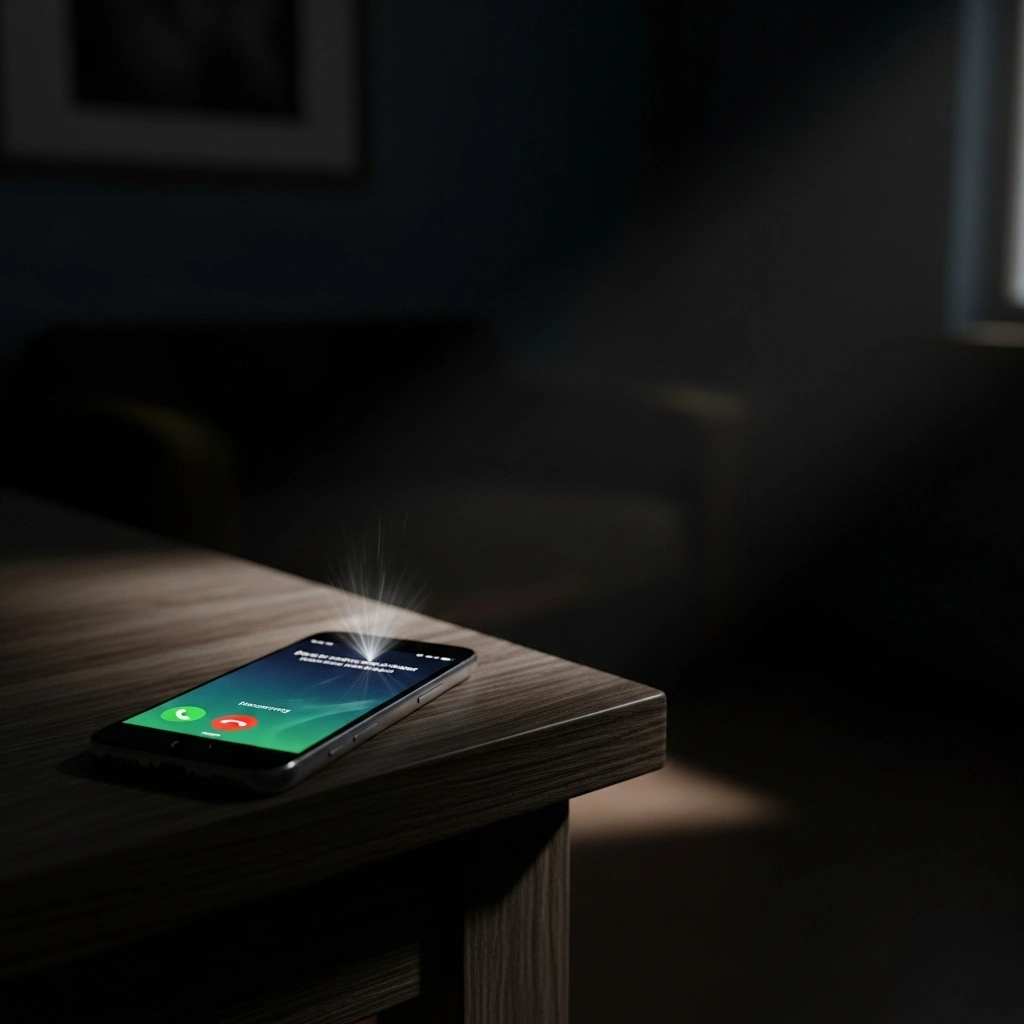
The ping arrives at 2:47 AM. Your body jolts awake before your conscious mind registers what’s happening. Heart racing. Palms sweating. Adrenaline flooding your system. You’re already reaching for your phone, muscles tensing, breath shallow.
This isn’t just a job anymore. It’s a physiological addiction.
Your pager has become the modern equivalent of a nicotine fix—except instead of tar coating your lungs, cortisol is coating your nervous system. When stress persists, your hypothalamus activates the hypothalamic-pituitary-adrenal axis, releasing cortisol that keeps your body in sustained high alert. Every notification triggers your body’s fight-or-flight response, and unlike nicotine, you can’t just “quit” on-call duty.
According to research examining on-call work arrangements, the unpredictable nature of on-call work leads to disrupted sleep both before and after calls, with workers experiencing anxiety about receiving or potentially missing alerts. This isn’t merely tiredness. It’s systematic physiological disruption that affects everything from your immune function to your relationships.
The World Health Organization’s recognition of burnout as an occupational phenomenon underscores what on-call engineers have known for years: this work extracts a unique toll. Research reveals that the experience of stress from unpredictability—rather than the actual number of hours worked—correlates most strongly with fatigue, work-home interference, and performance difficulties.
Below are five daily realities you navigate as an on-call engineer, each with its own story of silent suffering—and a mindful path toward recovery.
1. The Phantom Vibration Syndrome
“Did My Phone Just Buzz?” (Narrator: It Didn’t. It Never Does.)
The Scene: You’re in the shower. At dinner. Walking your dog. Playing with your kids. Every few minutes, you reach for your phone, certain you felt it vibrate. But the screen is blank. No alerts. No pages. Just your nervous system, so conditioned to respond that it’s now manufacturing emergencies.

The Research: Your brain refuses to fully shut down when anticipating potential calls, maintaining partial alertness that blocks deep sleep while stress hormones like cortisol and adrenaline stay elevated throughout the night. Studies of emergency call operators demonstrate that cortisol responds to both acute and chronic stress, with individuals experiencing lower positive emotions showing upward trends in cortisol levels during work hours.
Mindful Solutions:
- Practice the 60-second “5-4-3-2-1 Grounding” when your pager goes off: Before responding to any alert, identify 5 things you can see, 4 you can touch, 3 you can hear, 2 you can smell, 1 you can taste. This interrupts the automatic stress response and brings you into the present moment.
- Create a “phantom check” ritual: When you catch yourself checking your phone unnecessarily, pause. Place your hand over your heart. Take three deep breaths. Acknowledge the anxiety without judgment.
- Implement notification boundaries: Configure separate notification tones for critical vs. non-critical alerts. Your nervous system needs to distinguish between actual emergencies and routine notifications.
2. The Sleep Fragmentation Roulette
“I’m Lying Down, But Am I Actually Sleeping?” (Your REM Cycles Say No)
The Scene: You’re exhausted, but the moment you close your eyes, your brain starts running disaster scenarios. Database failure. Security breach. Service outage. You drift off around midnight, only to be woken at 1:30 AM, then 4:15 AM, then 6:00 AM—just before your alarm. You’ve been “in bed” for seven hours but feel like you slept for two.
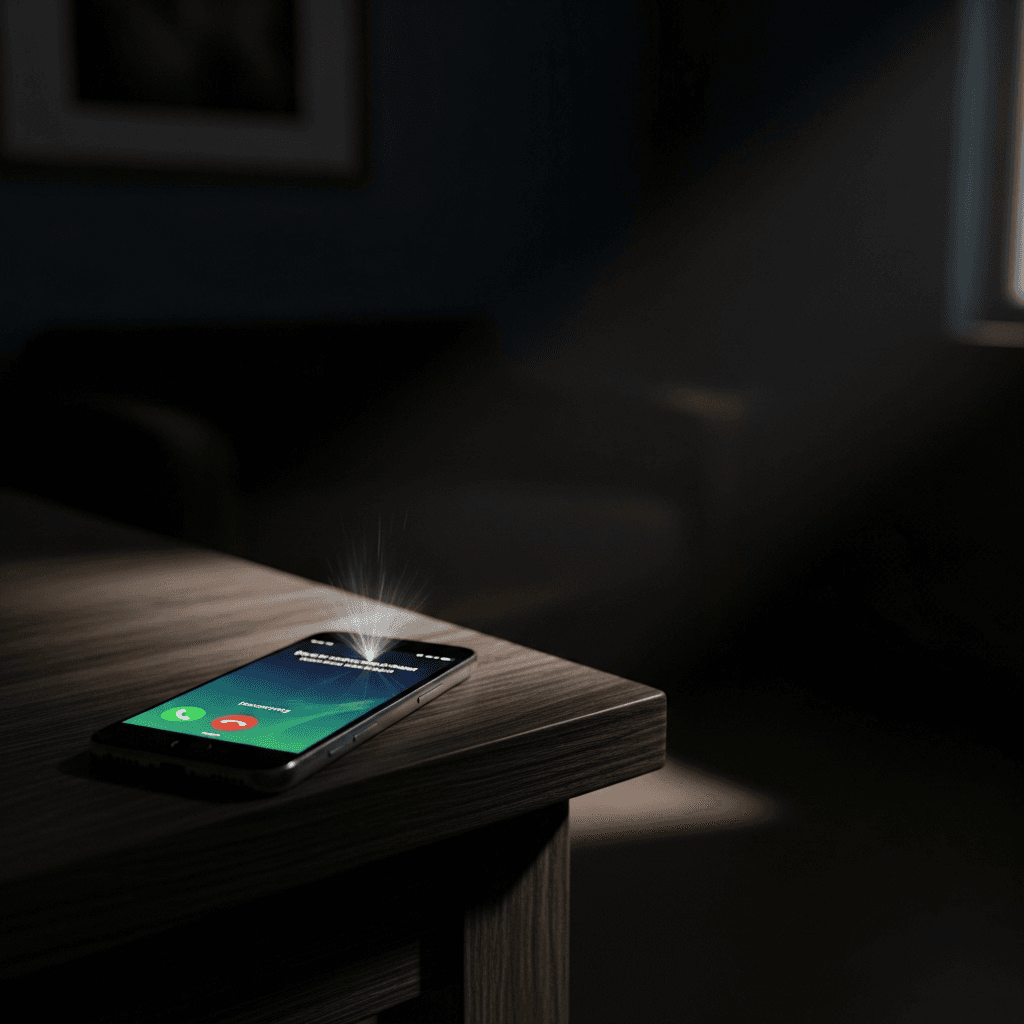
The Research: On-call workers experience regular sleep disruption when woken by calls, which impacts long-term physical and mental health, next-day performance, and critically, performance immediately after waking. Each interruption shatters natural sleep cycles, preventing completion of the progression through light sleep, deep sleep, and REM stages, with your body forced to restart its sleep cycle from the beginning after each call.
Mindful Solutions:
- Establish a pre-sleep “transition protocol”: Thirty minutes before bed, dim all lights, silence non-emergency notifications, and practice progressive muscle relaxation. Starting from your toes, tense and release each muscle group.
- Keep a “worry journal” by your bedside: When anxious thoughts about potential incidents arise, write them down. The act of externalizing worries helps your brain release them.
- Post-incident 3-minute “RAIN” practice (Recognize-Allow-Investigate-Nurture): After resolving an incident, before attempting to return to sleep—Recognize the emotion you’re feeling (anxiety, frustration), Allow it to be present without resistance, Investigate where you feel it in your body, Nurture yourself with compassionate self-talk.
3. The Cortisol Cascade
“My Body Thinks Every Alert Is a Tiger Attack” (It’s Usually Just Log Rotation)
The Scene: Your pager goes off during your morning coffee. Instantly, your heart rate spikes. Your hands shake slightly as you open the alert. It’s a disk space warning—not critical, easily resolved. But your body doesn’t know that. You’re flooding with adrenaline as if you’re facing mortal danger, when you’re actually just deleting old log files.

The Research: During stress response, the hypothalamus activates the sympathetic nervous system and the adrenal glands release catecholamines like epinephrine, causing increased heart rate and respiratory rate, followed by cortisol release from the adrenal cortex. Research commissioned by PagerDuty found that for teams with less automation, the main impact of unplanned work is increased stress affecting up to 83.9% of respondents.
Mindful Solutions:
- Build an “alert triage breath”: Before opening any notification, take one complete breath cycle: inhale for 4 counts, hold for 7, exhale for 8. This activates your parasympathetic nervous system.
- Categorize alerts by actual urgency: Work with your team to implement proper alert severity levels. Your body shouldn’t respond to a monitoring warning the same way it responds to a production outage.
- Practice “cortisol comedown” after high-stress incidents: Take a 5-minute walk, do jumping jacks, or perform dynamic stretching. Physical movement helps metabolize stress hormones.
4. The Relationship Erosion
“Sorry, I Have to Take This” (The Story of Every Important Moment You’ve Missed)
The Scene: Your partner’s birthday dinner. Your child’s school play. Your friend’s wedding. You’re physically present but mentally absent, one ear always listening for that notification sound. And then it comes—mid-toast, mid-conversation, mid-moment—and you excuse yourself with an apologetic smile everyone’s seen a thousand times before.

The Research: Studies examining on-call duty found significant relationships between on-call stress and both strain-based and time-based work-home interference, with the unpredictability of on-call work creating substantial impacts on personal life. PagerDuty’s internal research with on-call engineers revealed that life situations—pets, kids, elderly parents, or stressful events like deaths—compound the stress experienced during on-call rotations.
Mindful Solutions:
- Establish “protected moments”: Negotiate with your team specific time blocks (even 2-3 hours) when you’re available only for genuine emergencies. Attend that school play. Have that anniversary dinner. Your relationships deserve boundaries.
- Practice presence micro-moments: When you’re with loved ones but anticipating alerts, set a timer for 5 minutes. For those 5 minutes, be completely present. Notice details: the color of their eyes, the sound of their laugh. Then reset the timer.
- Create reconnection rituals: After on-call shifts, schedule dedicated time with family or friends where you actively reconnect—no phones, no laptops, just presence.
5. The Identity Fusion
“I’m Not On-Call Right Now, But My Nervous System Disagrees” (Stockholm Syndrome with Your Pager)
The Scene: Your on-call rotation ended yesterday. You’re officially off-duty. But you still wake up at 3 AM, heart pounding, reaching for your phone. You check Slack compulsively. You can’t watch a movie without your laptop nearby “just in case.” Your identity has fused with your on-call status—you’ve forgotten who you were before the pager owned you.

The Research: Research indicates that one in four employees globally experience burnout symptoms, with chronic workplace stress burning out even engineers passionate about their work. During on-call periods, engineers allocate approximately 30-40% of work bandwidth to on-call responsibilities, with the constant pressure to resolve issues quickly potentially leading to significant mental and physical stress and eventual burnout.
Mindful Solutions:
- Implement a “detox day” after each rotation: The first day off-call is sacred. No work email. No Slack. No “just checking in.” Your nervous system needs actual recovery time.
- Reclaim your identity markers: List five things you enjoyed before on-call consumed your life. Choose one and schedule it weekly—hiking, cooking, reading fiction, playing music. These aren’t luxuries; they’re essential nervous system reset tools.
- Practice “role boundaries” visualization: Close your eyes. Visualize yourself literally taking off the on-call mantle like a heavy coat and hanging it on a hook. See yourself walking away from it. You are not your pager.
Quick Mindfulness Practices: Your Emergency Toolkit
Your nervous system needs rapid recalibration tools. Here are two evidence-based practices designed specifically for on-call engineers:
1. 60-Second “5-4-3-2-1 Grounding” (When Pager Goes Off)
Before touching your laptop or phone to address the alert:
- 5: Name 5 things you can see
- 4: Name 4 things you can touch (and touch them)
- 3: Name 3 things you can hear
- 2: Name 2 things you can smell
- 1: Name 1 thing you can taste
This sensory exercise interrupts the automatic panic response and brings your prefrontal cortex online before your amygdala hijacks your response.
2. Post-Incident 3-Minute “RAIN” (After Resolving an Issue)
This practice prevents accumulated trauma from incident response:
- R – Recognize: Name the emotion (frustration, anger, anxiety, exhaustion)
- A – Allow: Let the emotion exist without trying to fix or suppress it
- I – Investigate: Notice where you feel it in your body (tight chest, clenched jaw, racing heart)
- N – Nurture: Place your hand over your heart and offer yourself compassion: “This was hard. I did my best. I deserve rest.”
The Neuroscience of On-Call Addiction
Let’s talk about what’s actually happening in your brain.
Research demonstrates that cortisol secretion through the hypothalamic-pituitary-adrenal axis links chronic psychosocial stress to adverse health effects, with daily cortisol rhythm and concentration reflecting individual stress experienced in recent hours. Your body isn’t designed to maintain this state indefinitely.
When that alert arrives, your amygdala—your brain’s fear center—activates before your rational prefrontal cortex can assess whether the threat is real. The sympathetic nervous system triggers fight-or-flight response, causing cascading hormonal and physiological reactions including increased heart rate and respiratory rate, with the hypothalamus subsequently activating sustained stress response.
Here’s the insidious part: this response becomes conditioned. Classical conditioning, the same mechanism that made Pavlov’s dogs salivate at bells, makes your nervous system spike cortisol at notification sounds. Eventually, even the potential of an alert—phantom vibrations, ambient notification sounds, or simply being near your laptop—triggers the response.
PagerDuty research revealed that 80% of organizations experienced increased pressure on digital services, with over half reporting that pressure to maintain perfect service reliability reached unprecedented levels, resulting in 62% of practitioners working more than 10 additional hours weekly and 55% addressing incidents during time off at least five times per week.
This isn’t sustainable. And deep down, you already know that.
The Hidden Cost: What On-Call Fatigue Actually Steals
On-call fatigue doesn’t just make you tired. It systematically dismantles your life:
Physical Health: Sleep disruption from on-call work impacts long-term physical and mental health, with performance impairments occurring immediately after waking from interrupted sleep. Chronic cortisol elevation weakens your immune system, increases inflammation, and elevates risk for cardiovascular disease.
Cognitive Function: Your ability to think clearly, solve complex problems, and make good decisions deteriorates with each fragmented night. The very skills that make you valuable as an engineer erode under sustained sleep deprivation.
Relationships: Engineers managing on-call responsibilities alongside life demands—children, elderly parents, personal crises—face compounded stress that requires team and manager empathy. How many dinners have you missed? How many conversations happened around you while your mind was in production infrastructure?
Sense of Self: You’ve become synonymous with your pager. When was the last time you had a thought unrelated to system monitoring? When did you last feel like a whole person rather than an incident response machine?
The Path Forward: From Addiction to Agency
Recovery from on-call fatigue syndrome isn’t about a single intervention—it’s about systematic change at both personal and organizational levels.
Immediate Personal Actions:
- Audit your alerts: Categorize every notification you received last week. How many were genuine emergencies? Advocate ruthlessly for better alert design.
- Practice the mindfulness techniques above: These aren’t optional wellness add-ons. They’re critical intervention tools for your dysregulated nervous system.
- Track your cortisol patterns: Notice when your stress response activates. Document phantom vibrations, anxiety spikes, and sleep disruptions. Awareness creates the foundation for change.
Team-Level Interventions:
- Implement proper on-call rotation schedules: Research with on-call teams suggests considering rotation length based on service noise levels, with options including weekday-weekend splits, business hours versus after-hours divisions, or shorter two-day rotations rather than full weeks. Your nervous system needs recovery time.
- Establish “on-call Yelp ratings”: Track how engineers feel after shifts using end-of-rotation ratings from 1 (worst) to 5 (best), measuring this over time to identify patterns and adjust rotation schedules accordingly.
- Build postmortem protocols: Major incidents requiring coordinated responses create substantial stress, with postmortem workload adding another week of pressure; when resourcing allows, having someone other than the primary responder complete postmortems can significantly reduce stress.
Organizational Systemic Changes:
- Studies show 70% of companies respond to alerts 24/7, yet only 39% track these alerts in a single place, creating disorganization, missed alerts, poor visibility, and unrealistic expectations. Advocate for proper incident management systems.
- Invest in automation and improved observability tools. For teams with greater automation, the primary impact of unplanned work shifts from stress to delayed product development timelines rather than human burnout.
- Normalize mental health support and make therapy resources accessible without stigma.
Breaking the Addiction: Your Detox Protocol
Here’s your seven-day plan to begin reclaiming your nervous system:
Day 1-2: Awareness
- Document every phantom vibration, every compulsive phone check, every cortisol spike
- Notice without judgment. You’re gathering data, not condemning yourself
Day 3-4: Boundaries
- Practice saying “I’m off-call” out loud. Say it to your reflection. Say it to your laptop
- Implement one physical boundary: phone in another room after 9 PM, or deleted Slack from personal device
Day 5-6: Reclamation
- Choose one pre-pager identity marker and engage with it for 30 minutes
- Practice the RAIN technique after any work-related stress
Day 7: Integration
- Full detox day: no work communication unless the building is literally on fire
- Practice grounding exercises hourly. Notice the difference in your baseline stress level
A Quiet Revolution
Close your laptop. Turn your phone face-down. Place both hands over your heart and breathe.
You are not a machine. You are not an incident response system. You are not defined by your mean time to acknowledge.
The alerts will still be there tomorrow. The systems will continue running. But right now, in this moment, notice: you are breathing. Your heart is beating. You exist beyond the pager.
Building an empathic team culture with on-call rotation schedules tailored to team preferences significantly reduces burnout. This requires courage—courage to set boundaries, courage to advocate for better systems, courage to admit the current model is unsustainable.
The next time someone praises you for being “always available,” pause. Ask yourself: is the praise worth the cost? Is the hero narrative worth your sleep, your relationships, your health, your sense of self?
Your nervous system already knows the answer.
References:
- Sprajcer, M., Thomas, M. J. W., Sargent, C., Crowther, M. E., Boivin, D. B., & Ferguson, S. A. (2022). On-call work and sleep: the importance of switching on during a callout and switching off after a call. Industrial Health, 60(2), 172-185. https://pmc.ncbi.nlm.nih.gov/articles/PMC8980688/
- National Sleep Foundation. (2024). Sleep Health and Mental Health: A Position Statement. https://www.thensf.org/wp-content/uploads/2024/04/NSF-Position-Statement_Sleep-and-Mental-Health_4.1.2024.pdf
- Sleep Foundation. (2024). Sleep & Job Performance: Can Sleep Deprivation Hurt Your Work? https://www.sleepfoundation.org/sleep-hygiene/good-sleep-and-job-performance
- Amerisleep. (2024). How to Sleep When You’re On Call. https://amerisleep.com/blog/how-to-sleep-when-on-call/
- Ferguson, S. A., Paterson, J. L., Hall, S. J., Jay, S. M., & Aisbett, B. (2016). On-call work: to sleep or not to sleep? It depends. Chronobiology International, 33(6), 678-684. https://pubmed.ncbi.nlm.nih.gov/27070367/
- Ziebertz, C. M., van Hooff, M. L. M., Beckers, D. G. J., Hooftman, W. E., Kompier, M. A. J., & Geurts, S. A. E. (2015). The Relationship of On-Call Work with Fatigue, Work-Home Interference, and Perceived Performance Difficulties. BioMed Research International, 2015, 643413. https://pmc.ncbi.nlm.nih.gov/articles/PMC4628979/
- Dr. Droid. (n.d.). Life and Practices of an On-Call Software Engineer. https://drdroid.io/engineering-tools/life-and-practices-of-an-on-call-software-engineer
- LeadDev. (2024). How to reduce stress for on-call engineering teams. https://leaddev.com/technical-direction/how-reduce-stress-call-engineering-teams
- PagerDuty. (2020). 80% increase in pressure on digital services. Your IT team is at risk of serious burnout. TechCrunch. https://techcrunch.com/sponsor/pagerduty/80-increase-in-pressure-on-digital-services-your-it-team-is-at-risk-of-serious-burnout/
- PagerDuty. (2019). Unplanned Work: The Impact on DevOps Teams. https://www.pagerduty.com/blog/unplanned-work-devops/
- PagerDuty. (2024). Why VPs Should Care About Engineer Burnout. https://www.pagerduty.com/blog/why-vps-should-care-engineer-burnout/
- PagerDuty. (2022). The Human Side of Being On-call: 5 Lessons for Managing Stress, Anxiety, and Life While Being On-call. https://www.pagerduty.com/blog/insights/the-human-side-of-being-on-call-5-lessons-for-managing-stress-anxiety-and-life-while-being-on-call/
- Syed, M., Luz, G. P., Alexandre, A., Nascimento, D. M., Ahmad, A., & Bener, A. (2023). Burnout in software engineering: A systematic mapping study. Information and Software Technology, 153, 107059. https://www.sciencedirect.com/science/article/pii/S0950584922002257
- Kowalczyk, E., Latacz-Lohmann, U., & Wnuk, K. (2025). Cortisol levels and perceived stress in emergency call operators. Frontiers in Public Health, 13, 1539516. https://www.frontiersin.org/journals/public-health/articles/10.3389/fpubh.2025.1539516/full
- Dantzer, R. (n.d.). 4 things to know about cortisol and stress. MD Anderson Cancer Center. https://www.mdanderson.org/cancerwise/4-things-to-know-about-cortisol-and-stress.h00-159703068.html
- National Center for Biotechnology Information. (2023). Physiology, Cortisol. StatPearls. https://www.ncbi.nlm.nih.gov/books/NBK538239/
- Pulopulos, M. M., Baeken, C., & De Raedt, R. (2023). Understanding the relationships between physiological and psychosocial stress, cortisol and cognition. Frontiers in Endocrinology, 14, 1085950. https://www.frontiersin.org/journals/endocrinology/articles/10.3389/fendo.2023.1085950/full