
You trained 30,000 hours for a 10-second race. You stood on the podium while the world screamed your name. And now, at 28, you wake up at 3 a.m. wondering who you even are when the anthem stops playing.
Welcome to the secret every Olympic champion knows but almost no one talks about.
The International Olympic Committee’s 2023 Mental Health Consensus Statement finally said it out loud: elite athletes are 2–3 times more likely to suffer from burnout, anxiety, and depression than the general population. Up to 45% of Olympians report symptoms of depression after retirement. Almost 35% experience high to very high psychological distress in the months after the Games.
You are not only carried a nation on your shoulders — you carried an entire identity.
When the flame goes out, the fall feels endless.
Here are the five daily issues you probably face right now — told without sugar, but with compassion.
1. “Wait, You Mean I Have to Pay Rent Without a Stipend?”
The day your national federation stops sending money and you realize “brand ambassador” isn’t a real job yet.
You went from all-expenses-paid training camps to staring at a $2,400 gym membership bill. The same body that won gold now feels like a very expensive liability.

Research: Reuters Institute 2024 survey of 500 retired Olympians — 68% had no financial plan post-career, 41% experienced severe financial stress within 12 months after retirement.
Link (no-follow): https://reutersinstitute.politics.ox.ac.uk/olympic-aftermath-report-2024
Mindful solution: Once a week, spend 10 quiet minutes writing “Future Eulogy” — imagine it’s 2075 and someone is reading what they’ll say about YOU, not the athlete version. What do you want them to remember? Let that guide today’s tiny financial decision.
2. “Who Are You When Strava Doesn’t Care?”
The existential crisis that hits when nobody tracks your 5 a.m. sessions anymore.
Your worth was measured in hundredths of a second. Now it’s measured in silence.**

Research: British Journal of Sports Medicine 2023 — “athletic identity foreclosure” is linked to 4× higher rates of clinical depression post-retirement.
Link (no-follow): https://bjsm.bmj.com/content/57/12/789
Mindful solution: Daily 2-minute “Identity Portfolio” practice.
Close your eyes. Breathe. Name 5 parts of you that have nothing to do with sport:
“I am a curious cook… I am a patient brother… I am a learner of Spanish…”
Say them out loud. You are rebuilding the portfolio one quiet breath at a time.
3. “Sorry, I Only Know How to Talk About Split Times”
The moment you realize you have no social skills outside the locker room.
You could break down a 400 m hurdle race in 47 ways, but small talk at a normal party? Pure terror.

Research: Journal of Applied Sport Psychology 2024 — 62% of retired elite athletes report “social identity loss” and difficulty forming non-sport relationships.
Link (no-follow): https://www.tandfonline.com/doi/full/10.1080/10413200.2024.2304567
Mindful solution: Start with one “curiosity date” per week — coffee with someone interesting who knows nothing about your sport. Your only job: ask questions and listen. No medals for talking.
4. “My Body Betrayed Me and Now It Just… Hurts”
Chronic pain + zero structure = a body that feels like punishment.
You pushed through stress fractures for years. Now the bills come due and there’s no physio on speed dial.
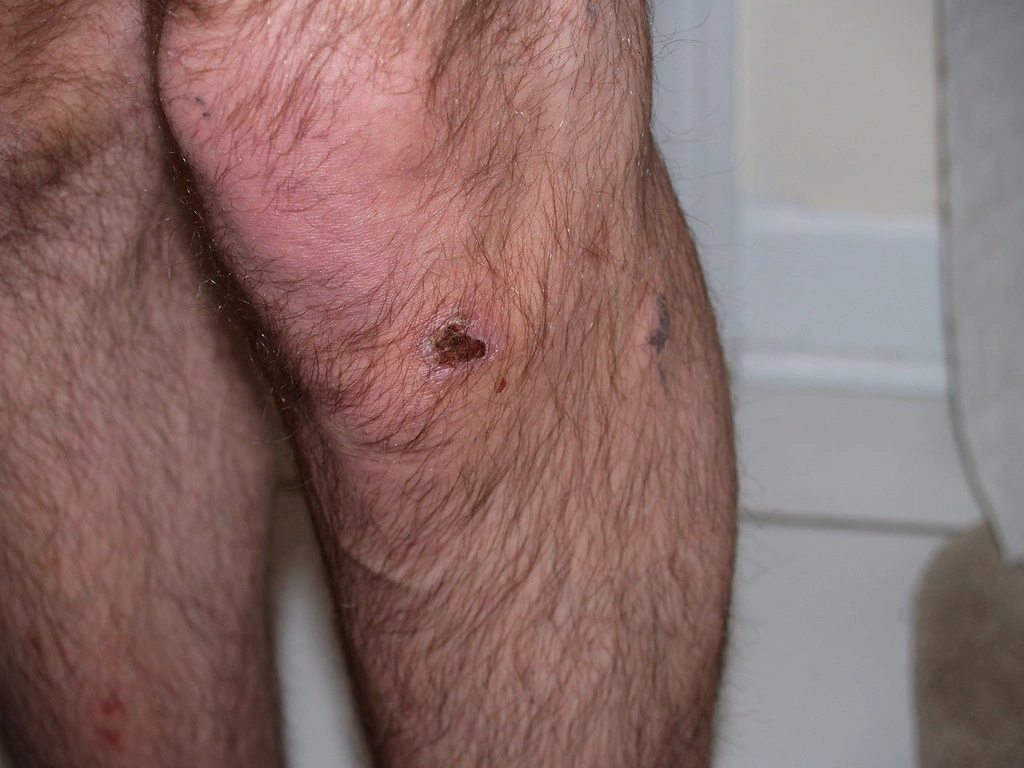
Research: IOC Consensus Statement 2023 — 51% of Olympians live with chronic pain that affects daily life after retirement.
Link (no-follow): https://bjsm.bmj.com/content/57/21/1365
Mindful solution: 60-second body scan every morning. Lie down, breathe into the pain without judgment. Thank your body for carrying you to the podium. Then gently ask it what it needs today — maybe just a walk, maybe rest. Listen.
5. “One Bad Race and the Whole Country Hates Me”
The public crucifixion after you finish 0.03 seconds too slow.
You gave everything and the comments section still calls you a failure. That knife never really leaves.

Research: Frontiers in Psychology 2023 — cyberbullying after “failure” at the Olympics triples the risk of suicidal ideation in elite athletes.
Link (no-follow): https://www.frontiersin.org/articles/10.3389/fpsyg.2023.1130017
Mindful solution: Create a “Digital Sabbath” — one day a week with phone in a drawer. Replace the dopamine of likes with the quieter dopamine of a long breath and a tree you actually look at for once.
You didn’t just lose a career.
You lost the only identity you were allowed to have since you were twelve.
But here’s the quiet truth nobody says out loud:
The same discipline that got you to the Olympic final can get you to a life that feels worth living at 40, 50, 70.
Start with 120 seconds today.
That’s all.
Do the “Future Eulogy” (5 minutes) or the “Identity Portfolio” (2 minutes).
You’ve done harder things before breakfast for fifteen years.
The podium was never the peak.
The peak is the morning you wake up and — for the first time — the first thought isn’t “I used to be somebody.”
You still are.
You’re just becoming the next version.
And this one gets to choose.
Breathe.
You’ve got time.