You smile at 35,000 feet. Your soul is running on fumes. Let’s fix that.
A passenger screamed about their meal. A baby cried at 30,000 feet. The captain announced another delay. And you? You still have to smile.
Welcome to the reality of being a flight attendant—a profession where emotional composure isn’t just expected, it’s mandated. While passengers see the glamorous uniform and the practiced grace, what they don’t see is the exhaustion accumulating beneath that professional exterior.
Research highlights that cabin crew face particularly stressful circumstances, including extended periods away from home during health crises, uncertainty about local regulations, and dramatic shifts in work procedures. The aviation industry has long acknowledged safety protocols for turbulence and emergency evacuations, yet the emotional turbulence flight attendants navigate daily remains largely invisible.
This isn’t just about tough days at work. Studies reveal an alarmingly high occurrence of fatigue and drowsiness among cabin crew, along with poor sleep quality and increased vulnerability to sleep-related disorders. The consequences ripple through every aspect of life—physical health deteriorates, relationships strain, and the mental weight becomes almost unbearable.
But here’s what most people miss: burnout in this profession isn’t a personal failure. It’s a systemic issue rooted in unique occupational demands that require equally unique solutions. And yes, those solutions exist—practical, mindful approaches that can transform how you navigate this demanding career.
Let’s explore the daily realities you face and discover how to reclaim your peace at 35,000 feet.
Issue #1: The Emotional Labor Olympics
When Your Face Muscles Have a Better Work Ethic Than You
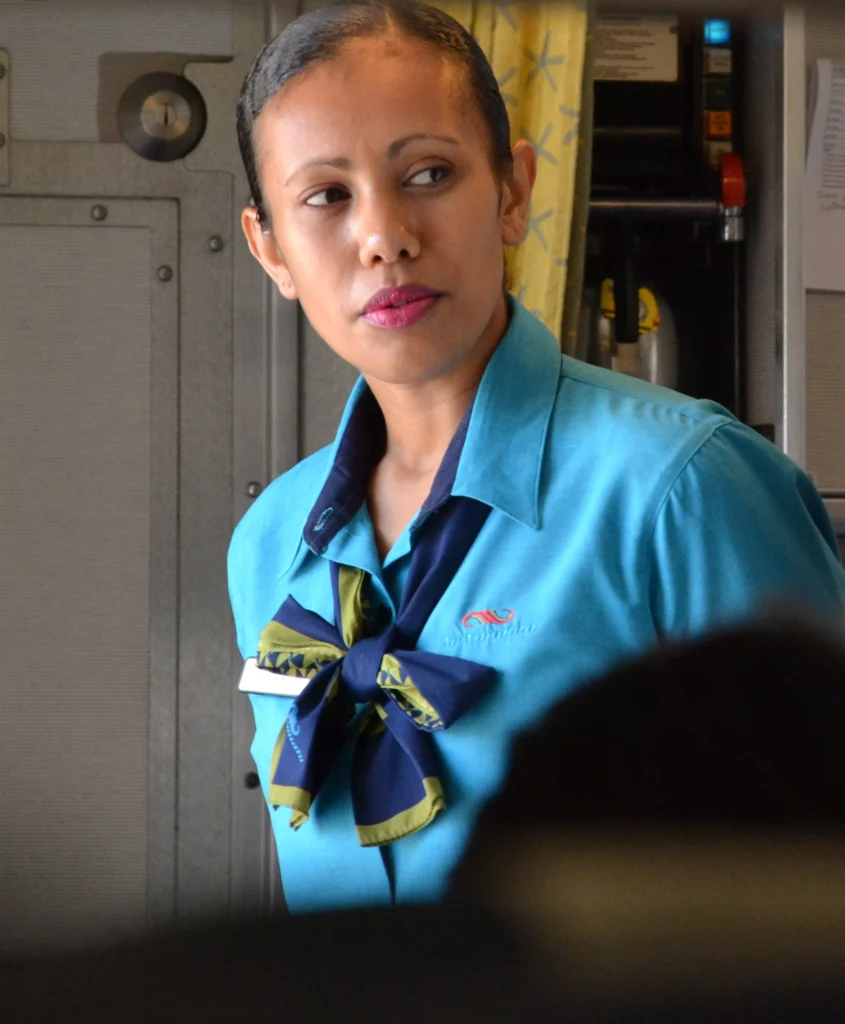
You’ve perfected the art of the service smile. The one that doesn’t waver when someone complains about ice cubes. The one that remains intact while a passenger treats you like furniture. Research examining cabin crew found that flight attendants must manage demands for concealing emotions, working with approximately three hundred passengers alongside colleagues, which necessitates careful regulation of emotions according to airline conduct codes based on emotional suppression.
This constant performance—what researchers term “emotional labor”—isn’t just tiring. It’s depleting. You’re essentially acting for eight to fourteen hours straight, and unlike Hollywood actors, you don’t get to yell “cut” when you need a break.
A comparative analysis found that during challenging periods like the pandemic, requirements to express negative emotions increased substantially, alongside higher prevalence of both surface acting and deep acting. Surface acting means faking emotions you don’t feel. Deep acting means trying to genuinely feel what you’re supposed to display. Both drain your emotional reserves.
Research Foundation
A study published in the Journal of Organizational Behavior examined Lebanese flight attendants and discovered that emotional demands correlated positively with burnout development. The research emphasized how suppressing genuine feelings while projecting airline-mandated pleasantness creates profound psychological strain. (Source: PubMed – Burnout and psychosocial risk factors in flight attendants)
Mindful Solutions
The 60-Second “Tray Table Anchor” (Galley Practice)
During a quiet moment in the galley, place both hands flat on the counter. Feel the cool, solid surface beneath your palms. Take three deep breaths—inhale for four counts, hold for four, exhale for six. This simple grounding technique signals your nervous system that you’re safe, creating a brief reset in your emotional state. Do this between service rounds.
Emotional Boundary Setting
Recognize that professional courtesy doesn’t require you to internalize others’ emotions. When a passenger is upset, you can acknowledge their feelings without absorbing them. Practice this internal mantra: “I can be professional without being personally affected.” This isn’t coldness—it’s self-preservation.
Post-Flight Emotional Debriefing
Within an hour of landing, spend five minutes journaling or voice-recording three things: (1) One moment that challenged you, (2) How you handled it, (3) What you learned. This practice prevents emotional residue from accumulating and helps you process rather than suppress difficult interactions.
Issue #2: The Circadian Chaos Chronicles
Your Body Clock Gave Up Trying to Figure Out What Time It Is

Your body has no idea what day it is. Tuesday in Tokyo blurs into Friday in Frankfurt. You’re eating breakfast at what your cells insist is midnight, and trying to sleep when every internal system screams “time to be awake!”
Research indicates that over half of studies on cabin crew focused on international or long-haul flights show unsatisfactory sleep quality with elevated susceptibility to sleep disorders. This isn’t just about feeling groggy. Chronic circadian disruption has been linked to serious health consequences, including increased cancer risk from repeatedly crossing time zones.
The aviation industry operates 24/7, which means your schedule does too. Studies found that cabin crew face significant quantitative demands with very high expected work volume, requiring them to perform tasks quickly in limited time without forgetting technical constraints—these temporal demands. Early morning departures, red-eye flights, and rotating schedules prevent your body from establishing any consistent rhythm.
Research Foundation
A comprehensive scoping review in PMC analyzed fatigue and sleep in airline cabin crew, finding that nearly 82% of crew members reported operating flights while experiencing fatigue. Alarmingly, only about 27% felt comfortable submitting fatigue reports, suggesting the problem is both widespread and underreported. (Source: PMC – Fatigue and Sleep in Airline Cabin Crew: A Scoping Review)
Mindful Solutions
Strategic Light Exposure
Light is your circadian system’s primary reset button. Upon landing in a new time zone, expose yourself to bright natural light during the local daytime—even 20 minutes makes a difference. In your hotel room, keep curtains open during local morning hours. Conversely, use blackout curtains or sleep masks during local nighttime, regardless of how awake you feel.
The Layover 10-Minute “Cloud Visualization” Release
In your hotel room, lie flat with a pillow under your knees. Close your eyes and imagine each part of your body as a cloud—weightless, soft, dispersing. Start with your feet: “My feet are clouds, dissolving into the sky.” Move upward slowly: ankles, calves, knees, thighs, hips, torso, shoulders, arms, neck, head. This progressive relaxation technique triggers parasympathetic activation, helping override your confused circadian signals. Set a gentle timer for 10 minutes.
Melatonin Timing (When Appropriate)
If you use melatonin supplements, timing matters more than dosage. Take 0.5-3mg approximately 2-3 hours before your desired sleep time in the new time zone, not when you feel tired. This helps reset your internal clock rather than just sedating you. Always consult with an aviation medical examiner about supplement use.
Power Nap Protocols
When you’re fighting fatigue mid-flight or during short layovers, the 20-minute power nap is your friend. Set an alarm for 25 minutes (accounting for falling asleep time). Nap in a seated position to prevent deep sleep. Immediately upon waking, splash cold water on your face or step outside for two minutes. These strategic naps can restore alertness without interfering with nighttime sleep.
Issue #3: The Altitude Attitude Adjustment
Because Dealing with Physics While Managing Personalities Is Totally Fair
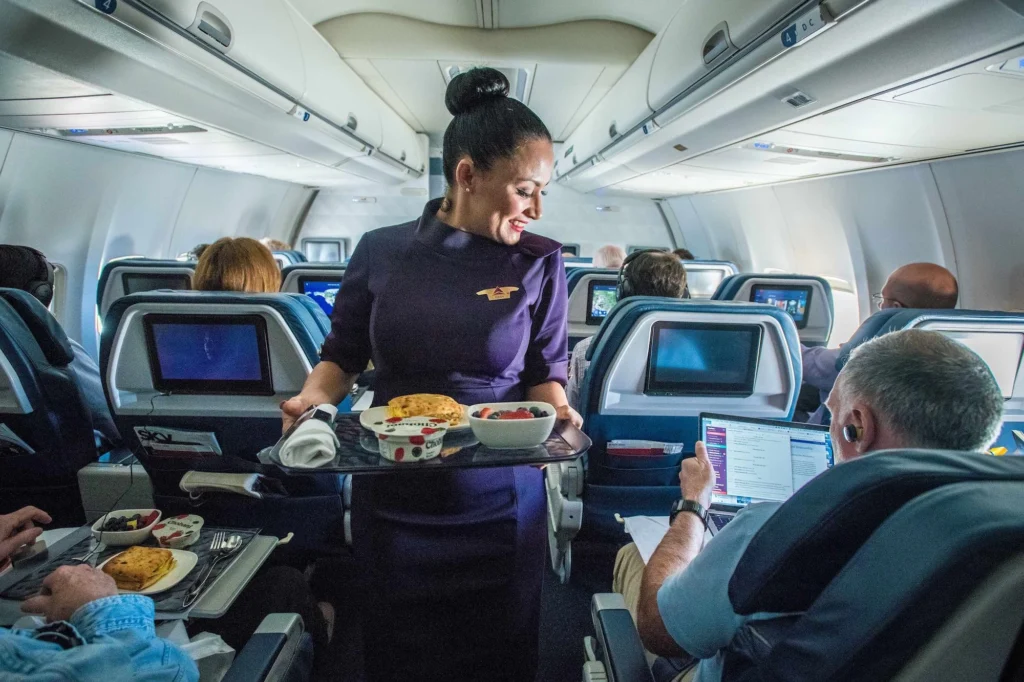
The physics of flight doesn’t care about your stress levels. At 35,000 feet, cabin pressure equals about 8,000 feet of elevation. That means less oxygen in your blood, which affects cognitive function, emotional regulation, and physical stamina. You’re essentially working at altitude while managing hundreds of people’s needs, fears, and occasionally irrational demands.
Add turbulence to the equation. You’re balancing service trays while the aircraft lurches, maintaining composure while passengers panic, and ensuring everyone’s safety while your own adrenaline spikes. Research identified that cabin crew face exposure to lacking influence at work, rewards, development possibilities and work variation, along with poor leadership quality, sexual harassment exposure, and insufficient social support from supervisors, colleagues, and the workplace community.
The confined workspace presents additional challenges. Galleys are cramped, aisles are narrow, and you’re constantly navigating around beverage carts, luggage, and people. Your body absorbs continuous low-level stress from noise, vibration, and the simple fact that you’re sealed in a metal tube hurtling through the stratosphere.
Research Foundation
A study in Tourism Management investigated antecedents and consequences of burnout and isolation among Taiwanese flight attendants, utilizing the Job Demands-Resources model. Findings demonstrated that job demands directly influence burnout, which subsequently affects health problems. The research emphasized unique stressors including the inability to maintain regular social relationships due to work characteristics. (Source: ScienceDirect – Investigating the antecedents and consequences of burnout and isolation among flight attendants)
Mindful Solutions
Pre-Flight Grounding Ritual
Before boarding, find a quiet corner in the crew area. Place one hand on your heart, one on your belly. Breathe into your hands for six cycles. Whisper three intentions: “I am calm,” “I am capable,” “I am protected.” This 90-second ritual creates psychological anchoring before entering the high-stress environment.
Micro-Movement Breaks
During service lulls, practice subtle movement sequences: Rise onto tiptoes and lower ten times (increases circulation). Roll shoulders backward five times (releases tension). Clench and release fists three times (grounds nervous energy). These movements are imperceptible to passengers but significantly impact your physical state.
Turbulence Reframing
When turbulence hits, instead of fighting the adrenaline surge, work with it. Take three deep belly breaths. Remind yourself: “My body is doing what it should—alerting me to change. I am trained. I am ready.” This cognitive reframe transforms panic into purposeful vigilance. Your training has prepared you for exactly these moments.
Galley Pressure Point Relief
Learn three pressure points you can discreetly activate: (1) The webbing between thumb and index finger (reduces overall tension), (2) The inside of your wrist, three finger-widths from your palm crease (calms anxiety), (3) The spot just below your collarbone near your shoulder (releases chest tightness). Hold each for 30 seconds while breathing steadily.
Issue #4: The Relationship Altitude Gap
When Your Work Schedule Is Your Relationship’s Third Wheel

Missing birthdays. Absent from family dinners. Unable to commit to weekend plans because your roster just changed. Again. The irregular schedule doesn’t just disrupt your sleep—it disrupts every relationship in your life.
Studies demonstrate that professional isolation among flight attendants proves inevitable due to the occupation’s unique characteristics, preventing them from maintaining regular social relationships either at home or at work. When friends plan gatherings, you’re working. When family needs you, you’re on the other side of the world. When you finally have time off, you’re too exhausted to socialize.
Partners struggle to understand why you can’t simply “swap shifts.” Children grow accustomed to your absence. Friends stop inviting you because you’ve declined too many times. Research identified work-family conflict as one of four factors correlating positively with burnout development among cabin crew. The constant pull between professional obligations and personal connections creates profound guilt and loneliness.
The work environment itself complicates colleague relationships. You’re thrown together with different crew members constantly, creating surface-level connections but rarely deep friendships. You share intense experiences—difficult passengers, emergencies, exhausting flights—but then scatter to different cities and schedules.
Research Foundation
Research published in the International Journal of Aviation Psychology examined work-family conflict among cabin crew. The study found that scheduling dissatisfaction emerged as the most influential predictor of emotional exhaustion and turnover intention, followed closely by time pressure and surface acting. The research emphasized how unpredictable schedules prevent establishing consistent personal routines. (Source: International Journal of Aviation Psychology – Social and temporal job demands among flight attendants)
Mindful Solutions
The “Connection Window” Strategy
Identify your predictable availability patterns—even if they’re limited. Communicate these windows clearly to loved ones: “I’m typically available Tuesday afternoons and Thursday mornings.” This helps others know when to reach out and creates realistic expectations. Quality matters more than quantity in relationship maintenance.
Layover Presence Practice
During layovers, resist the urge to mindlessly scroll social media. Instead, choose intentional connection: Write a thoughtful message to someone you miss (rather than a quick text). Schedule a video call during their convenient time. Send a postcard from each city—old-fashioned but deeply meaningful. These deliberate actions maintain bonds despite physical distance.
Micro-Moments of Connection
Before each flight, send brief “thinking of you” messages to key people in your life. After landing, share one specific observation from your day. These micro-connections prevent relationships from feeling neglected. They signal: “Even when I’m gone, you’re present in my thoughts.”
Boundary Communication Script
When explaining your schedule limitations, try this framework: “I wish I could be there. My schedule means I’ll miss this moment, and that genuinely hurts. Here’s what I can offer instead: [specific alternative].” This acknowledges the loss while proposing a solution, showing both care and creativity in maintaining the relationship.
Crew Connection Cultivation
While you can’t control who you fly with, you can cultivate meaningful connections when you encounter compatible colleagues. Exchange contact information. Create small support groups with crew members who share your base. These professional friendships matter—they’re with people who truly understand the unique challenges you face.
Issue #5: The Safety Paradox
Being Invisible Until Everything Goes Wrong
Here’s the paradox: Your primary role is safety, yet passengers see you as service providers. They view you as glorified waiters, not the extensively trained safety professionals you are. This invisibility of your core expertise creates deep professional frustration.
IATA guidance emphasizes that cabin crew mental health and wellbeing remain crucial, with specific sections addressing factors affecting cabin crew mental health, symptom recognition, and resources. You’ve memorized evacuation procedures for multiple aircraft types. You’re trained in firefighting, first aid, water survival, and conflict de-escalation. You can identify and respond to medical emergencies, security threats, and mechanical issues. Yet passengers complain when their drink arrives slowly.
The emotional burden of safety responsibility weighs heavily. Every flight, you’re mentally preparing for scenarios you hope never occur. You scan for threats. You assess passenger behavior. You remain vigilant for smoke, unusual sounds, suspicious activity. Industry experts note that emotional safety proves just as important as other forms of safety, and mental wellbeing should not be a project but a fundamental part of company culture.
When emergencies do occur—medical incidents, unruly passengers, mechanical problems—you switch instantly into high-stakes decision-making mode. The adrenaline surge is massive. Yet after resolving the crisis, you’re expected to return immediately to serving beverages with the same cheerful demeanor.
Research Foundation
The IATA Cabin Operations Safety Best Practices Guide extensively documents cabin crew safety responsibilities. Research emphasizes that cabin crew contribute to safe, effective, and efficient operations in normal, abnormal, and emergency situations, playing important roles in preventing serious incidents and accidents including in-flight fires, unruly passengers, depressurization, and turbulence events. (Source: IATA – Cabin Operations Safety Best Practices Guide)
Mindful Solutions
Professional Identity Affirmation
Create a personal mission statement that honors your safety role: “I am a safety professional who also provides service.” Review this statement before each flight. When passengers treat you dismissively, silently remind yourself of your true expertise and training. Your professional value doesn’t depend on their recognition.
Post-Incident Processing Protocol
After handling any emergency or high-stress incident, give yourself a structured decompression moment: (1) Find a private space, even if it’s the lavatory for two minutes. (2) Place your hands on something solid and feel your feet on the ground. (3) Take six slow breaths. (4) Say aloud: “I handled that. I’m trained. I did my job.” (5) Return to duty. Later, debrief with crew or write about the experience.
Safety Visualization Practice
Before each flight, spend 60 seconds mentally rehearsing emergency responses. Not with anxiety, but with calm competence. Visualize yourself giving clear commands during an evacuation. See yourself skillfully managing a medical emergency. This mental rehearsal strengthens neural pathways, making your responses more automatic if situations arise. It also reinforces your professional identity.
Recognition of Micro-Wins
Your safety work usually goes unnoticed because you prevent problems from escalating. Start acknowledging your own micro-wins: noticing potential hazards, de-escalating tense situations, preventing injuries through vigilance. Keep a “Safety Log” where you privately record these interventions. Your work matters, even when invisible.
Peer Acknowledgment Rituals
With crew members you trust, create a post-flight ritual of acknowledging each other’s safety contributions. A simple “You handled that passenger’s anxiety beautifully” or “Your pre-flight brief was thorough” reinforces professional respect within the team. The recognition you may not receive from passengers, you can provide for each other.
Quick Mindfulness Practices Summary
60-Second “Tray Table Anchor” (Galley)
- Place hands flat on counter
- Feel the solid surface
- Three deep breaths: inhale (4), hold (4), exhale (6)
- Practice between service rounds
10-Minute Layover “Cloud Visualization” Release
- Lie flat with pillow under knees
- Progressively imagine each body part as weightless cloud
- Start with feet, move upward
- Set gentle timer for 10 minutes
These practices require no equipment, minimal space, and can be integrated seamlessly into your existing routine. They offer immediate nervous system regulation when you need it most.
Resources for Further Support
Aviation-Specific Mental Health:
- IATA Cabin Crew Wellness Resources: https://www.iata.org/en/programs/safety/operational-safety/cabin-safety/
- Aviation Medical Assistance: Consult your airline’s aviation medical examiner
Research References:
- IATA Cabin Operations Safety Best Practices Guide (Edition 6)
- PMC Study: “Fatigue and Sleep in Airline Cabin Crew: A Scoping Review”
- PubMed: “Burnout and psychosocial risk factors in flight attendants”
- Tourism Management: “Investigating antecedents and consequences of burnout among flight attendants”
- Service Business Journal: “Serving with masks: Flight attendants’ emotional labor analysis”
Remember: The glamour others see is real, but so is the exhaustion they don’t. Acknowledge both. Honor both. And most importantly, care for the person behind the uniform.
Your career is a marathon flown at altitude, not a sprint. Pace yourself. Rest when possible. Ask for help when needed. And keep flying—but on your terms, with your wellbeing protected.
The sky will always be there. Make sure you are too.
Research Citations
- IATA Cabin Operations Safety Best Practices Guide
https://www.iata.org/en/publications/manuals/cabin-safety-guide/ - IATA – Ensuring Mental Wellbeing of Cabin Crew
https://airlines.iata.org/2021/12/15/ensuring-mental-wellbeing-cabin-crew - PMC – Fatigue and Sleep in Airline Cabin Crew: A Scoping Review
https://pmc.ncbi.nlm.nih.gov/articles/PMC9916232/ - PubMed – Burnout and Psychosocial Risk Factors in Flight Attendants
https://pubmed.ncbi.nlm.nih.gov/26806142/ - ScienceDirect – Investigating Antecedents and Consequences of Burnout
https://www.sciencedirect.com/science/article/abs/pii/S0261517711001919 - Service Business – Emotional Labor During COVID-19
https://link.springer.com/article/10.1007/s11628-025-00585-3 - PMC – Cabin Crew Health and Fitness-to-Fly
https://pmc.ncbi.nlm.nih.gov/articles/PMC9760509/
International Journal of Aviation Psychology
https://www.tandfonline.com/doi/full/10.1080/15332845.2020.1702867