The Paradox That’s Stealing Your Sleep
Picture this: You’re standing for twelve straight hours, yet somehow simultaneously bored out of your mind and on edge, ready to spring into action at any moment. Welcome to the world of security work—where the strangest combination of monotony and hyper-vigilance creates a perfect storm that destroys your sleep, wrecks your health, and leaves you questioning everything by shift’s end.
This isn’t just about tired feet. Research shows that security guards face unique occupational hazards that extend far beyond the physical toll. According to studies published in the National Institutes of Health, night-shift workers experience disrupted circadian rhythms that pose significant challenges for public health, increasing risks of cardiovascular diseases, neuropsychiatric disorders, and endocrine system problems.
The reality? You’re not just guarding a building. You’re waging a silent war against your own biology.
The Five Daily Battles No One Talks About
1. “The Statue Syndrome” – When Standing Still Becomes Your Superpower (And Curse)

Here’s the irony: your job requires you to stay alert while doing almost nothing. You stand. You watch. You wait. Then you stand some more. Meanwhile, your body is screaming for movement, your mind is begging for stimulation, and your legs are plotting their revenge.
Extended standing shifts affect more than just your comfort. Research indicates that working excessive hours without adequate rest leads to fatigue and decreased alertness, compromising the ability to handle potential security threats effectively. Studies examining 12-hour shifts reveal that workers on such schedules are considerably more fatigued than those on traditional 8- or 10-hour shifts.
Mindful Solutions
- Micro-Movement Meditation: Every hour, practice 30 seconds of subtle weight shifting. Transfer your weight from left to right foot slowly, feeling each sensation. This keeps blood flowing while maintaining your professional stance.
- Anchored Awareness: Use your standing position as a meditation anchor. Feel your feet connecting with the ground—this present-moment awareness combats both boredom and restlessness.
- The 20-20-20 Rule: Every 20 minutes, look at something 20 feet away for 20 seconds. This reduces eye strain and gives your mind a micro-break.
Learn more about mindful movement practices
2. “The Midnight Metabolism Massacre” – Why Your Body Thinks You’re Crazy

Your circadian rhythm doesn’t care about your work schedule. When everyone else is sleeping, you’re wide awake, forcing coffee and whatever food you can find into a body that’s fundamentally confused about what time it is.
Night-shift security workers show significant alterations in cortisol levels and cardiovascular responses, according to research on stress responses in security personnel. The study found impaired HPA axis functionality in night workers, which regulates biological responses to stress. Additional research confirms that night shifts are associated with increased risk of cardiovascular disease, obesity due to disrupted eating patterns and metabolism, and higher incidence of digestive problems.
Mindful Solutions
- Circadian-Aligned Eating: Instead of fighting your body, work with it. Eat your main meal before your shift starts. During the shift, opt for light, protein-rich snacks rather than heavy meals.
- Mindful Eating Practice: When you do eat, really eat. Put down your phone, turn off the radio. Taste your food. This five-minute practice helps regulate your digestive system and provides a mental reset.
- Hydration Meditation: Every time you drink water, take three conscious breaths first. This creates a pattern of mindfulness throughout your shift while ensuring proper hydration.
Explore mindfulness-based stress reduction
3. “The Invisible Enemy” – Fighting Burnout While Everyone Else Sees ‘Just Security’
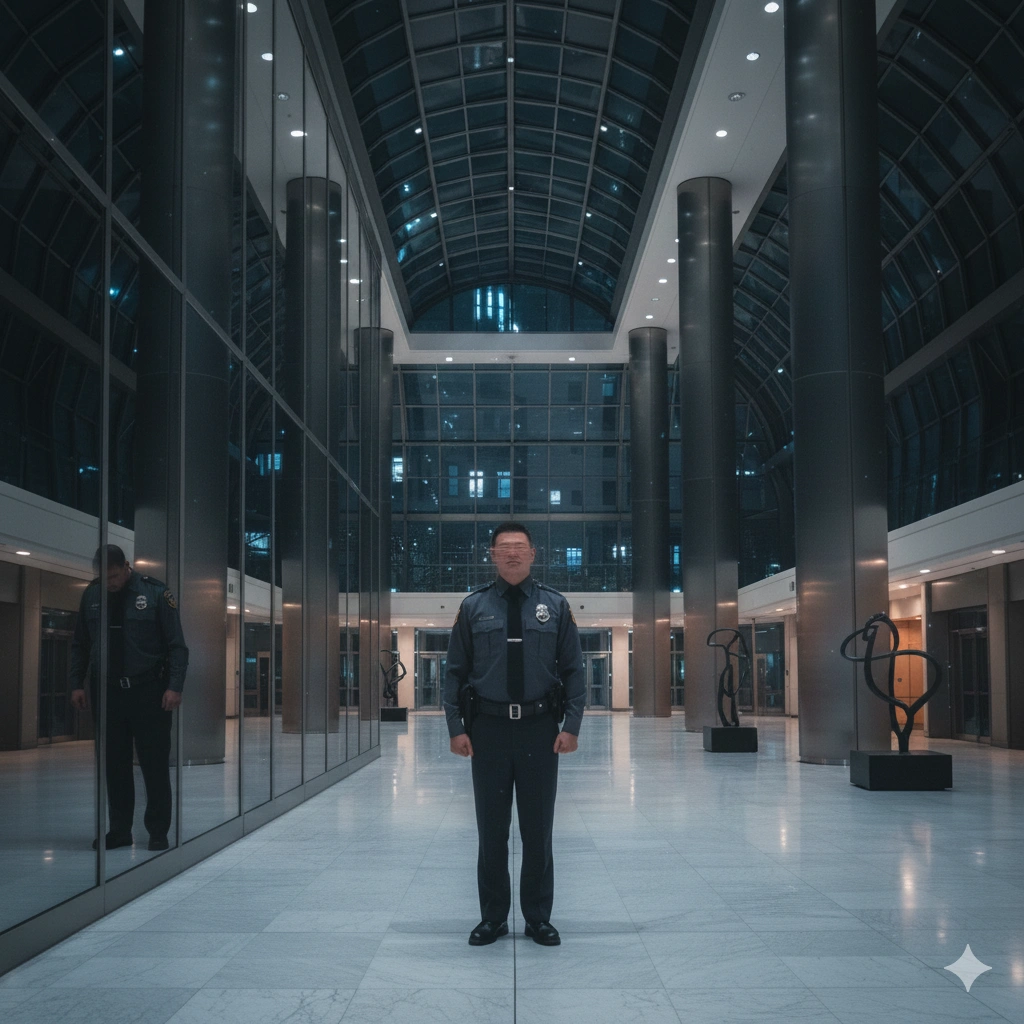
You know what hurts more than the physical exhaustion? The fact that most people see your job as simple. “You just stand there, right?” Meanwhile, you’re managing complex threat assessments, dealing with difficult people, maintaining constant vigilance, and carrying the weight of everyone’s safety on your shoulders.
The numbers tell a sobering story. A study of security guards at a private university found a burnout syndrome prevalence of 65.3%, with men experiencing higher rates. Research on occupational stress in security personnel reveals that frequent incidents can lead to the development of burnout and post-traumatic stress disorders.
According to workplace safety experts, more than a quarter of security professionals spend over half their work time on repetitive manual tasks, identifying this as a leading source of burnout. The mental health impact is significant—a University of Portsmouth study found that 40 percent of security workers suffer from PTSD or other mental health illnesses.
Mindful Solutions
- Validation Journaling: Spend three minutes at the end of each shift writing down three situations you handled well. Your job is important, even if others don’t recognize it.
- Compassionate Self-Talk: When you catch yourself thinking “I’m just a security guard,” reframe it: “I’m a professional responsible for safety and security.” Words matter.
- Boundary Setting: Learn to leave work at work. Create a post-shift ritual (even if it’s just removing your uniform mindfully) that signals to your brain that work is done.
Discover more about managing stress
Mindfulness for Decision-Making
4. “The Social Ghost Effect” – When Your Schedule Kills Your Relationships
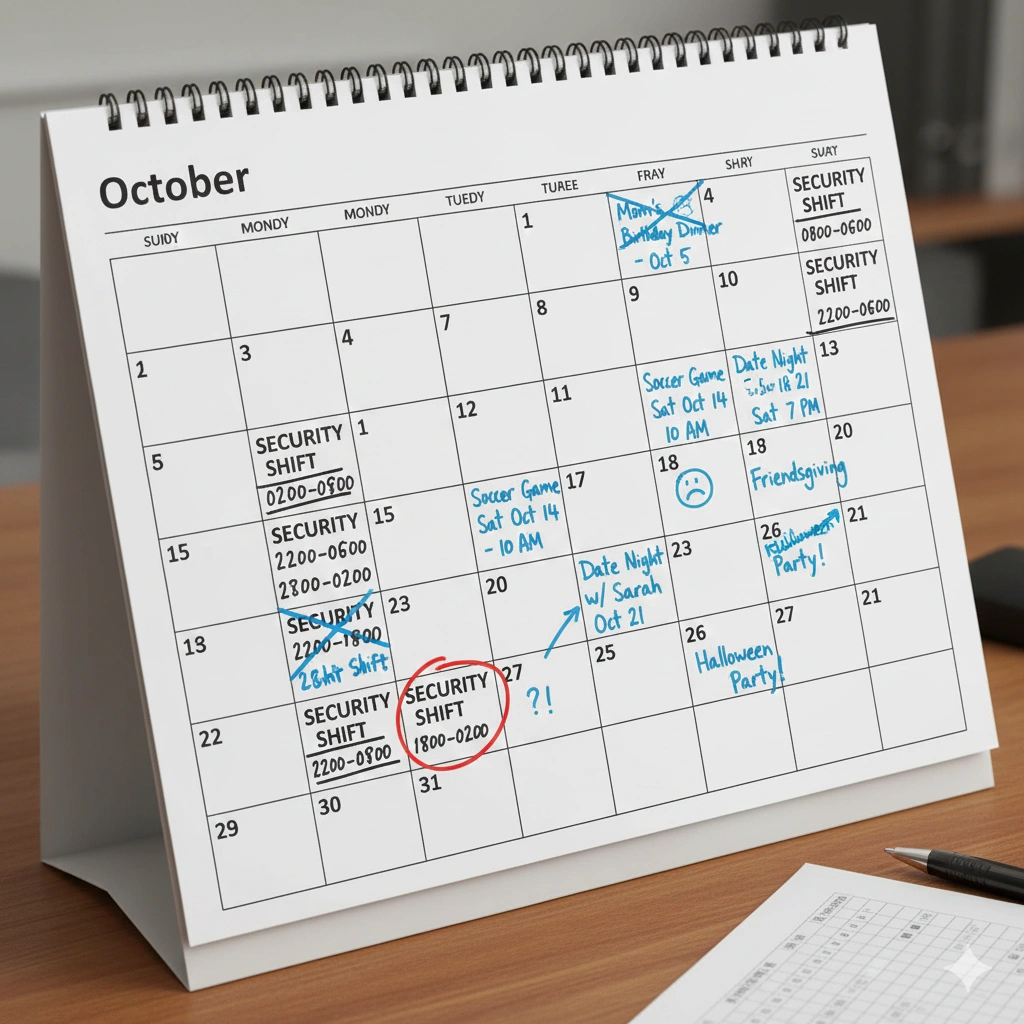
Your friends are planning dinner for Saturday night. Your family wants you at the Sunday barbecue. Your partner misses spending evenings together. And you? You’re working. Again. And again. And again.
Research confirms this isolation isn’t imaginary. Studies show that shift and night work reduce social contacts and participation in social events, leading to social isolation and more frequent marital, sexual, and fertility issues. The impact extends beyond personal relationships—the mental health consequences include increased depression, anxiety, and feelings of isolation due to working unsociable hours.
Mindful Solutions
- Quality Over Quantity: When you do have time with loved ones, be fully present. Put away your phone. Practice active listening. Thirty minutes of genuine connection beats three hours of distracted half-presence.
- Virtual Connection Rituals: Schedule short video calls during your breaks. Even five minutes of face-time with family can maintain bonds.
- Mindful Communication: Before your shift, send thoughtful messages to people you care about. After your shift, resist the urge to immediately sleep—spend even ten minutes connecting first.
5. “The Adrenaline-Exhaustion Seesaw” – Why You’re Wired and Tired Simultaneously
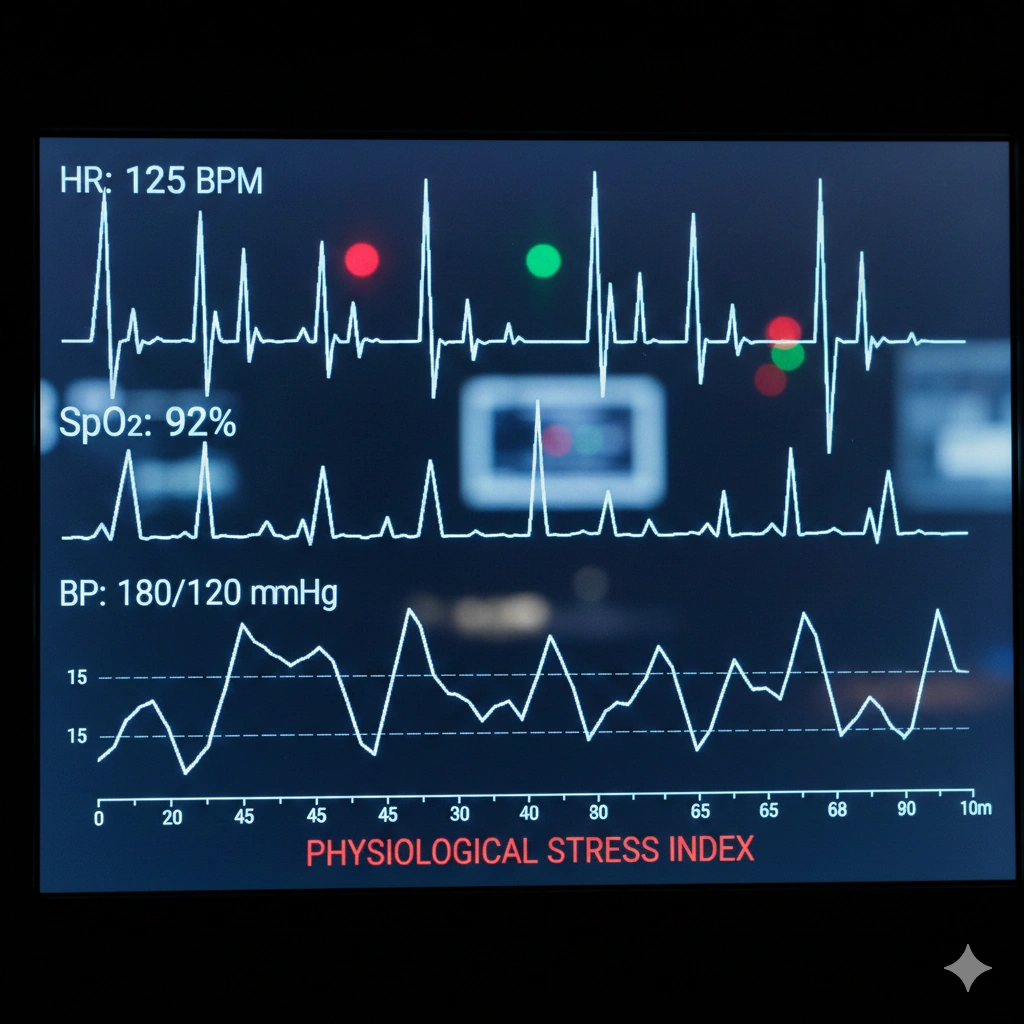
This is the real killer: Your body doesn’t know whether to flood you with stress hormones or shut down from exhaustion. You’re hyper-vigilant for hours, responding to every sound, every movement, every potential threat. Then suddenly, nothing happens for three hours, and you’re fighting to keep your eyes open.
The physiological impact is profound. Research on shift work hazards reveals that shift workers have an increased risk of occupational accidents, with some studies finding nearly three times greater risk. The probability of accidentally falling asleep on the job is more common during night shifts, and shift workers commuting home after a shift face increased risk of motor vehicle collisions.
Studies of extended shifts show workers experience greater fatigue, especially when compared to 8-hour schedules, with more errors made at the end of 12-hour shifts.
Mindful Solutions
- Energy Pattern Tracking: Notice when your energy naturally dips. Don’t fight it—use those moments for tasks requiring less mental acuity (paperwork, routine checks).
- Controlled Breathing for Alertness: When you feel yourself fading, try box breathing: inhale for 4 counts, hold for 4, exhale for 4, hold for 4. Repeat five times.
- Strategic Caffeine Timing: Instead of constant coffee, time your caffeine intake for 90 minutes before your known energy dips. This works with your body’s rhythms rather than against them.
Your 5-Minute Shift Survival Kit: Quick Mindfulness Practices
Practice 1: The 2-Minute “Perimeter Walk Mindfulness”
Transform your routine security rounds into a moving meditation. This practice turns a necessity into a therapeutic break.
How to practice
- As you begin your perimeter check, take three deep breaths
- With each step, notice the sensation of your feet touching the ground
- Observe your environment with fresh eyes—notice colors, sounds, textures you usually miss
- If your mind wanders to worries or tasks, gently bring attention back to your footsteps
- End your walk with three more conscious breaths
Why it works: This practice activates your parasympathetic nervous system (your body’s natural calming mechanism) while fulfilling your professional duties. You’re not taking extra time—you’re transforming time you’re already spending.
Practice 2: The 5-Minute “Shift End Release”
Before you clock out, this practice helps you leave work stress at work and transition to your personal life.
How to practice
- Find a quiet spot (your car, locker room, or even a stairwell)
- Sit or stand comfortably and close your eyes
- Scan your body from head to toe, noticing areas of tension
- With each exhale, imagine releasing the tension of your shift
- Mentally acknowledge three things you accomplished today
- Set an intention for your time off: “I am off duty. My time is my own.”
Why it works
This creates a psychological boundary between work and personal life. Research shows that working long hours without enough rest contributes to obesity, metabolic syndrome, diabetes, cardiovascular disease, and injuries. This practice won’t eliminate physical exhaustion, but it helps prevent carrying emotional stress home.
The Real Talk: When Mindfulness Isn’t Enough
Let’s be honest—sometimes breathing exercises and meditation aren’t sufficient. If you’re experiencing any of these signs, it’s time to seek professional support:
- Persistent sleep problems even on your days off
- Feelings of hopelessness or depression that last more than two weeks
- Increasing alcohol or substance use to cope
- Thoughts of self-harm
- Physical symptoms that won’t resolve (chest pain, severe headaches, digestive issues)
According to OSHA guidelines from 2024, workplace stress and mental health support should be priority concerns. Mental health isn’t a luxury—it’s a necessity, especially in high-stress occupations like security work.
Resources
- Employee Assistance Programs (EAP) through your employer
- National Suicide Prevention Lifeline: 988
- Crisis Text Line: Text HOME to 741741
The Path Forward: Small Steps, Big Impact
You didn’t choose an easy profession. You chose one that matters. Every time you clock in, you’re protecting people, property, and peace of mind. That’s not “just security”—that’s significant work.
But you can’t pour from an empty cup. The strategies in this article aren’t about becoming superhuman—they’re about maintaining your humanity in a job that sometimes feels designed to drain it.
Start small. Pick one mindfulness practice this week. Just one. Maybe it’s the perimeter walk meditation. Maybe it’s the shift-end release. Maybe it’s simply drinking your water with intention.
Your well-being matters. Your health matters. You matter.
The next time someone asks what you do and you say “I’m a security guard,” stand a little taller. You’re also a protector, a problem-solver, a professional who handles pressure most people couldn’t imagine.
And now, you’re also someone who’s learning to protect yourself as fiercely as you protect everyone else.
Stay safe. Stay mindful. You’ve got this.
Research References
- National Center for Biotechnology Information (NCBI) – Night-Time Shift Work and Related Stress Responses: A Study on Security Guards: https://www.ncbi.nlm.nih.gov/pmc/articles/PMC7013811/
- NIOSH Extended Work Hours Study – Recent Findings on Illnesses, Injuries, and Health Behaviors: https://www.cdc.gov/niosh/docs/2004-143/pdfs/2004-143.pdf
- Occupational and Environmental Medicine – Comparison of 8 and 12 Hour Shifts Study: https://pmc.ncbi.nlm.nih.gov/articles/PMC1128596/
- StatPearls – Shift Work Hazards: https://www.ncbi.nlm.nih.gov/books/NBK589670/
- NIH Study – The Influence of Specific Aspects of Occupational Stress on Security Guards’ Health: https://pmc.ncbi.nlm.nih.gov/articles/PMC7968505/
- El Dorado Insurance – Security Guards Working Night Shifts: Health & Safety Tips: https://www.eldoradoinsurance.com/security-industry-news/challenges-of-night-shifts-health-and-safety-strategies-for-security-guards/
- Police Executive Research Forum – Impact of Shift Length on Performance: https://www.policinginstitute.org/wp-content/uploads/2015/06/Amendola-et-al.-2011-The-Impact-of-Shift-Length-Full-Report-.pdf
- ASIS International – Tackling Burnout in the High-Stakes World of Security: https://www.asisonline.org/security-management-magazine/articles/2025/01/burnout/tackling-burnout/
- Security Guard Training Canada – Mental Health Challenges for Security Guards: https://www.securityguardtrainingcanada.ca/mental-health-challenges/