

The 4-7-8 Sleep Breathing Method: A Step-by-Step Guide to Falling Asleep in Minutes
Subtitle: A step-by-step guide to falling asleep in minutes using this proven technique
Tossing and turning at night? Racing thoughts keeping you awake? You’re not alone. Millions of people struggle with falling asleep quickly, but there’s a simple, science-backed solution that requires nothing more than your breath. The 4-7-8 breathing technique, developed by Dr. Andrew Weil, has helped countless individuals transition from restless nights to peaceful slumber in just minutes.
This powerful method works by naturally calming your nervous system and creating the ideal conditions for sleep. Unlike sleep medications or complex routines, the 4-7-8 technique is free, accessible anywhere, and becomes more effective with practice. Whether you’re dealing with occasional sleeplessness or chronic insomnia, this breathing pattern can become your go-to tool for better rest.
How It Works: The Science Behind Better Sleep
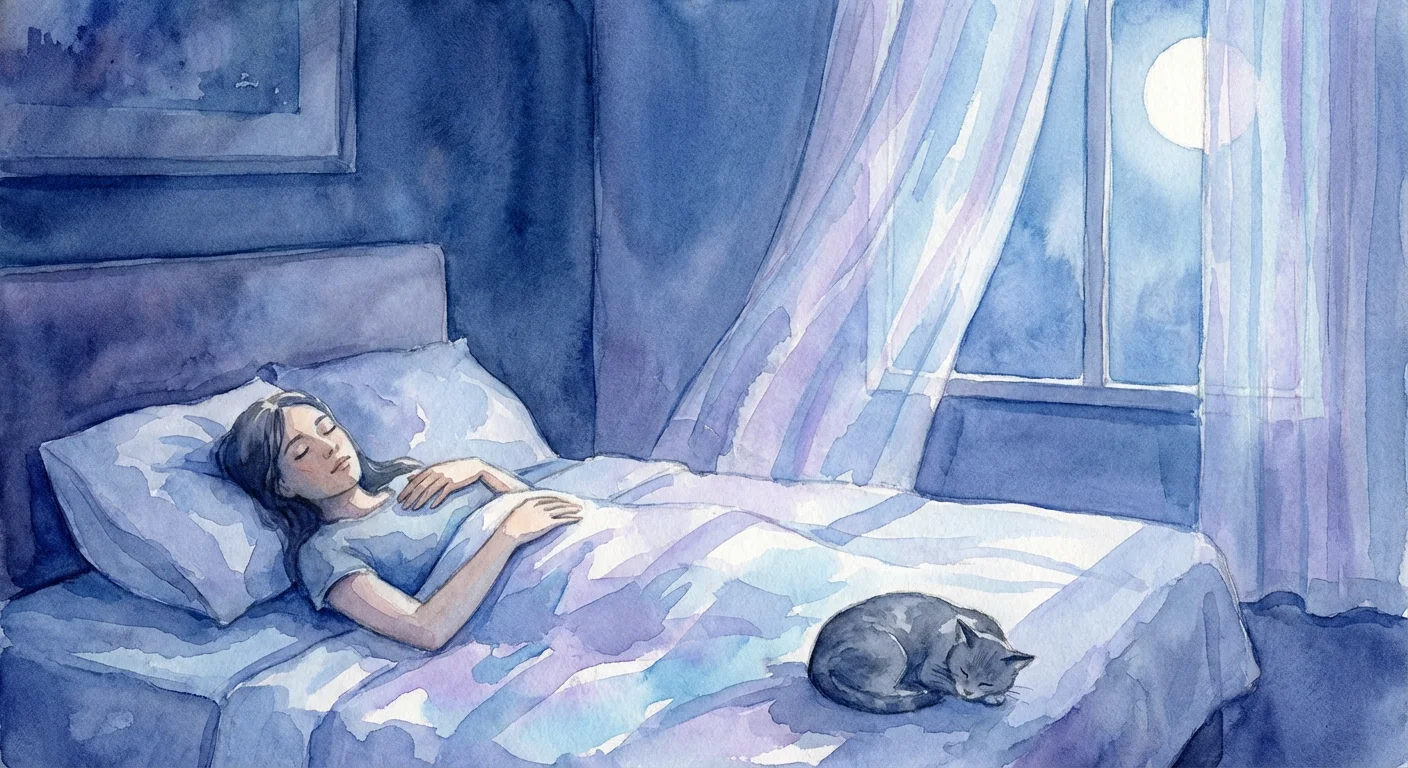
The 4-7-8 breathing technique is far more than just a relaxation exercise—it’s a scientifically-grounded method that activates your parasympathetic nervous system, naturally slowing your heart rate and calming racing thoughts. Think of it as a reset button for your mind, shifting you from the stress-driven sympathetic state to the rest-and-digest mode your body needs for sleep.
When you’re stressed or anxious, your breathing becomes shallow and rapid, sending signals to your brain that you need to stay alert. The 4-7-8 pattern deliberately slows and deepens your breath, triggering a cascade of physiological changes:
- Reduced cortisol levels: The stress hormone that keeps you wired decreases significantly
- Increased oxygen efficiency: Deeper breathing improves oxygen delivery to your cells
- Heart rate variability: Your heart rhythm becomes more coherent and conducive to sleep
- Muscle tension release: Physical stress melts away as your nervous system downshifts
Research in sleep medicine shows that controlled breathing techniques can reduce the time it takes to fall asleep by up to 50%. The extended exhale phase is particularly crucial—it activates the vagus nerve, which signals your brain to release sleep-promoting neurotransmitters like GABA.
Perfect Your Position: Setting Up for Success
🎬 Watch the video version
Proper positioning is essential for maximizing the effectiveness of the 4-7-8 technique. Your physical setup directly impacts how well the breathing pattern works, so take a moment to get comfortable before beginning.
Lie comfortably in bed with your tongue resting behind your upper front teeth. This tongue position is crucial—it helps control airflow and creates the gentle whooshing sound during exhalation that enhances the technique’s effectiveness. Don’t worry if it feels awkward at first; this positioning becomes natural with practice.
Place one hand on your chest, one on your belly to feel the rhythm. This hand placement serves two important purposes: it helps you monitor whether you’re breathing deeply from your diaphragm rather than shallowly from your chest, and it provides a physical anchor that keeps your mind focused on the present moment rather than wandering to daily stresses.
Additional positioning tips for optimal results:
- Keep your shoulders relaxed and slightly away from your ears
- Allow your jaw to soften and release any tension
- Close your eyes or soften your gaze to minimize visual distractions
- Ensure your bedroom temperature is cool (65-68°F) for better sleep quality
- Consider using blackout curtains or an eye mask to eliminate light interference
If lying down isn’t comfortable initially, you can start practicing while seated upright in bed or in a comfortable chair. The key is maintaining good posture while allowing your body to relax naturally.
The Breathing Pattern: Mastering the 4-7-8 Rhythm

Now comes the heart of the technique: the specific breathing pattern that creates such powerful sleep-inducing effects. Inhale through your nose for 4 counts, hold for 7, exhale through your mouth for 8. Repeat 3-4 cycles maximum when starting out.
Let’s break down each phase:
Inhale Phase (4 counts): Breathe in quietly through your nose while mentally counting to four. Focus on expanding your belly rather than your chest, drawing air deep into your lungs. The inhale should feel smooth and controlled, not rushed.
Hold Phase (7 counts): This is where the magic happens. Holding your breath for seven counts allows oxygen to fully circulate through your bloodstream while building slight pressure that enhances the relaxation response. Don’t strain—if seven feels too long initially, work up to it gradually.
Exhale Phase (8 counts): Release all the air through your mouth, making a gentle whooshing sound. This extended exhale is the most important part, as it activates your parasympathetic nervous system. Let the breath flow out naturally while counting to eight.
The specific ratio of 4:7:8 isn’t arbitrary—it’s designed to create maximum physiological impact. The longer exhale compared to the inhale signals your body to relax, while the held breath allows for complete gas exchange in your lungs.
Important guidelines:
- Start with just 3-4 cycles to avoid dizziness
- Keep the ratio consistent rather than focusing on speed
- If you feel lightheaded, return to normal breathing and try again later
- Don’t practice more than twice daily when beginning
Make It Stick: Building Your Sleep-Success Habit
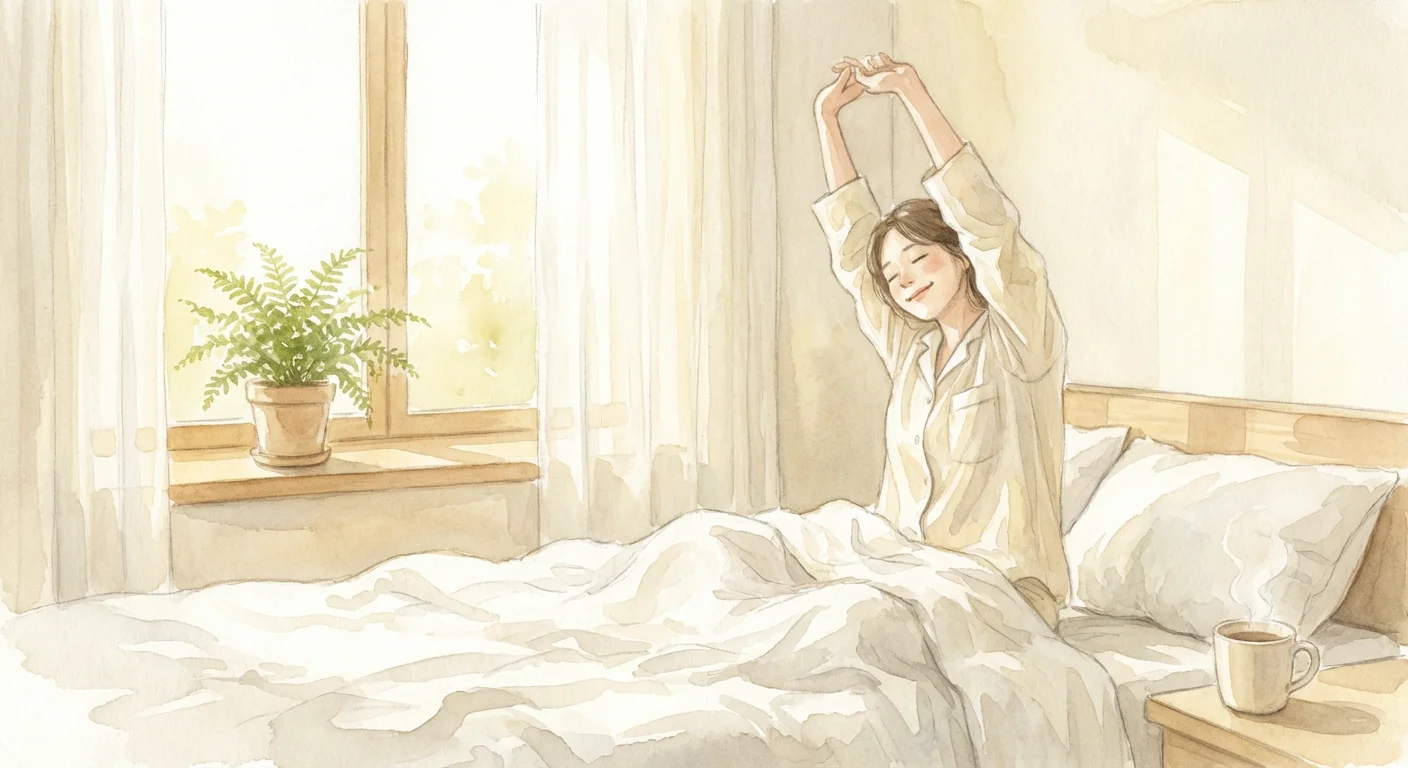
Like any skill, the 4-7-8 technique becomes more powerful with consistent practice. Practice during the day first when you’re not tired. Your body learns faster when alert, making bedtime sessions more effective for actual sleep.
Many people make the mistake of only trying breathing techniques when they’re already frustrated and unable to sleep. By practicing during daytime hours, you’re training your nervous system to respond more quickly and effectively when you need it most.
Daytime practice strategies:
- Try a session during your lunch break to reduce afternoon stress
- Practice before challenging situations like presentations or difficult conversations
- Use it as a transition ritual between work and personal time
- Incorporate it into your existing meditation or mindfulness routine
Building consistency: Start with once daily practice for the first week, then gradually increase. Track your progress in a sleep journal, noting how quickly you fall asleep and the quality of your rest. Most people notice improvements within 7-10 days of regular practice.
Advanced tips for long-term success:
- Combine with other sleep hygiene practices like consistent bedtimes
- Create environmental cues like dimming lights when you begin
- Practice patience—some nights will be more effective than others
- Consider guided audio recordings until the pattern becomes automatic
Remember that the 4-7-8 technique is cumulative. Each practice session builds your capacity for relaxation, making subsequent sessions more effective. Within a month of consistent use, many practitioners find they can fall asleep within 2-3 breathing cycles.
Try it tonight and sleep better. Your journey to more restful nights starts with your very next breath. Give yourself the gift of better sleep—your mind and body will thank you tomorrow.