

The Stress Container Theory: Understanding When You’re About to Overflow and What to Do About It
In our fast-paced world, stress has become an inevitable part of daily life. But what if there was a simple way to visualize and manage your stress levels? Enter the Stress Container Theory – a powerful mental model that can help you understand your stress capacity and prevent emotional overflow before it happens.
This approach treats stress like water filling a container, giving you a clear visual framework for understanding your limits and taking proactive steps to maintain your mental well-being. By learning to recognize your warning signs and implementing effective coping strategies, you can transform how you handle life’s challenges.
Picture Your Stress Container
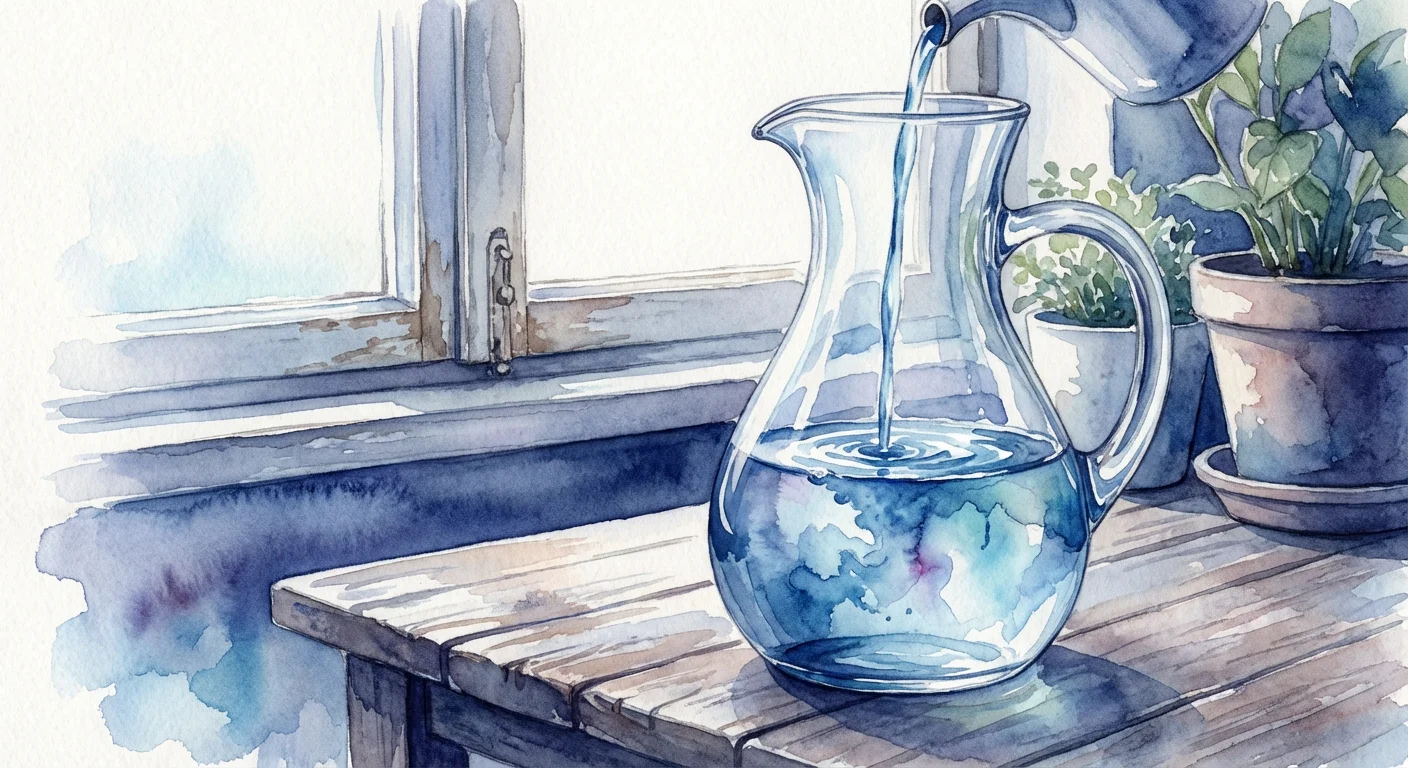
Imagine all your stress as water filling a container. This simple visualization is the foundation of understanding your stress capacity. Daily hassles add drops – maybe it’s traffic during your commute, a difficult email from your boss, or forgetting to buy milk at the grocery store. These small stressors accumulate throughout the day, steadily raising your stress level.
Meanwhile, big problems pour in buckets. Major life events like job loss, relationship conflicts, health issues, or financial troubles don’t just add drops – they can fill your container rapidly. A single significant stressor can push you from manageable stress levels to near overflow in moments.
Here’s the crucial insight: everyone’s container is a different size. Your colleague might handle workplace pressure with ease while struggling with social situations, whereas you might thrive in social settings but feel overwhelmed by the same work demands. Factors that influence your container size include:
- Past experiences and trauma history
- Current life circumstances
- Physical health and energy levels
- Support system strength
- Personality traits and coping skills
- Sleep quality and nutrition
Understanding that stress capacity varies from person to person – and even varies for yourself on different days – removes judgment and self-criticism from the equation. Some days your container might be smaller due to poor sleep or existing worries, making you more susceptible to stress overflow.
Recognize Your Warning Signs
🎬 Watch the video version
When your stress container approaches capacity, your mind and body send clear signals. Learning to recognize these overflow alerts is crucial for preventing a complete breakdown. The earlier you catch these warning signs, the more effectively you can respond.
Emotional warning signs often appear first. You might find yourself snapping at loved ones over minor issues, feeling irritated by things that normally wouldn’t bother you, or experiencing sudden mood swings. Anxiety levels increase, and you may feel overwhelmed by tasks that usually feel manageable. Decision-making becomes harder, and you might notice increased pessimism or cynicism.
Physical symptoms follow closely behind. Your body holds stress in various ways: tension headaches, tight shoulders and neck muscles, jaw clenching, or stomach issues. Sleep patterns often change – either difficulty falling asleep due to racing thoughts or sleeping more than usual as an escape mechanism. Energy levels fluctuate, and you might experience changes in appetite.
Behavioral changes become apparent in how you interact with the world. You might procrastinate on important tasks, avoid social situations, or withdraw from activities you typically enjoy. Some people experience increased restlessness and inability to relax, while others become more passive and disengaged.
Common warning signs include:
- Feeling overwhelmed by small, routine tasks
- Increased irritability with family and friends
- Physical tension, especially in neck and shoulders
- Difficulty concentrating or making decisions
- Changes in sleep or eating patterns
- Withdrawing from social activities
- Increased use of coping mechanisms like alcohol or shopping
Empty Before You Overflow

The key to stress management isn’t avoiding stress entirely – that’s impossible. Instead, it’s about regular stress release that prevents overflow. Think of these techniques as opening a release valve on your container, letting some water out before it reaches the brim.
Quick stress relief techniques can be implemented anywhere, anytime. Try deep breathing for just 2 minutes – inhale slowly for 4 counts, hold for 4, exhale for 6. This activates your parasympathetic nervous system, naturally reducing stress hormones. Stepping outside, even briefly, can provide immediate relief through fresh air, natural light, and a change of environment.
Social connection is a powerful stress reliever. Calling a friend or family member, even for a brief conversation, can shift your perspective and remind you that you’re not alone in handling life’s challenges. Sometimes just verbalizing your stress to someone who cares can significantly reduce its emotional weight.
Movement is medicine for stress. You don’t need a full workout – even gentle stretching, walking around the block, or doing jumping jacks for 30 seconds can help release physical tension and boost mood-improving endorphins.
Other effective quick-release strategies include:
- Listening to calming music or nature sounds
- Practicing gratitude by listing three things you appreciate
- Engaging in brief mindfulness or meditation
- Taking a warm shower or bath
- Doing a creative activity like drawing or writing
- Spending time with pets
Remember: small releases make a big difference. Consistent small actions throughout the day are more effective than waiting for stress to overflow and then trying to manage a crisis.
Build a Bigger Container

While quick stress relief is essential for immediate management, building long-term resilience involves expanding your stress capacity over time. This isn’t about becoming invulnerable to stress – it’s about developing a robust foundation that can handle life’s inevitable challenges more effectively.
Better sleep is foundational to stress resilience. Quality sleep restores your mental and physical resources, essentially giving you a larger, stronger container each day. Aim for 7-9 hours of consistent sleep, create a relaxing bedtime routine, and limit screen time before bed.
Learning to say no is a crucial skill for container management. Every commitment you make adds to your stress load. Practice evaluating requests against your priorities and capacity. Saying no to extras means saying yes to your well-being and having energy for what truly matters.
Building strong support systems creates a network that can help carry your stress load. Nurture relationships with family and friends, consider joining community groups or clubs, and don’t hesitate to seek professional support when needed. Therapists, counselors, and support groups can provide valuable tools and perspectives.
Long-term container-building strategies include:
- Regular exercise to build physical and mental resilience
- Developing hobbies and interests that bring joy
- Practicing mindfulness or meditation regularly
- Maintaining healthy boundaries in relationships and work
- Building financial stability to reduce money-related stress
- Developing problem-solving and communication skills
Remember, building resilience is about progress, not perfection. Some days your container will feel smaller, some days larger. The goal is developing awareness and tools to navigate both effectively.
What empties your stress container? Take a moment to identify your most effective stress-relief techniques and commit to using them regularly. Your future self will thank you for the investment in your mental well-being.