
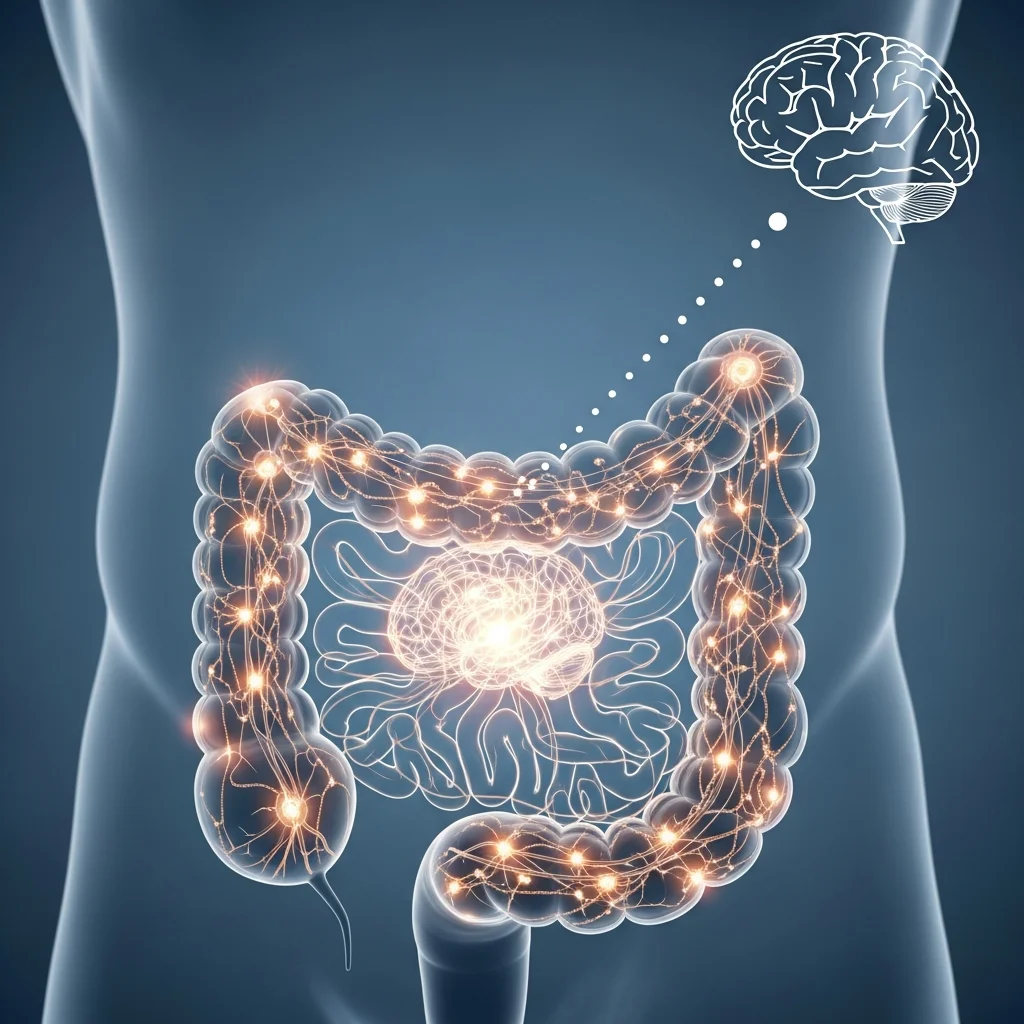
Have you ever felt a knot in your stomach before a big presentation? Or perhaps a sudden urge to use the restroom right before an important interview? These aren’t just random physical sensations; they’re your body’s profound way of communicating. What we often dismiss as mere nerves or ‘gut instinct’ is, in fact, a complex interplay between your brain and your digestive system. Understanding the intricate relationship between stress and gut health can unlock powerful insights into your overall well-being and how you react to life’s pressures.
This article will explore the fascinating world of your ‘second brain,’ reveal how stress can wreak havoc on your digestion, and provide actionable strategies to cultivate a calm gut and a clearer mind. We’ll delve into the science behind these connections, offering practical steps to nurture your gut microbiome and build resilience against life’s stressors.
Meet Your Second Brain: Unpacking the Gut-Brain Axis

When we talk about ‘gut feelings,’ we’re tapping into a profound biological reality. Your gut isn’t just a simple digestive tube; it houses its own sophisticated nervous system, often referred to as the enteric nervous system (ENS). This ‘second brain’ is a sprawling network of over 100 million neurons lining your digestive tract, stretching from your esophagus to your anus (Gershon, 1999). It’s so extensive that it can operate independently of your central nervous system (CNS), orchestrating complex digestive processes without direct input from your brain in your skull.
The Gut-Brain Communication Highway
While the ENS can function autonomously, it’s in constant, bidirectional communication with your brain. This superhighway of communication is known as the gut-brain axis. It involves several pathways, including the vagus nerve – the longest cranial nerve – which acts like a direct phone line between your gut and your brain, transmitting signals in both directions (Cryan & Dinan, 2012).
Beyond nerve signals, your gut also influences your brain through chemical messengers. For instance, the gut is responsible for producing a significant amount of the body’s neurotransmitters, including approximately 90% of serotonin – a key regulator of mood and happiness (Yano et al., 2015). This means that the health of your gut can directly impact your emotional state, influencing everything from feelings of calm to instances of anxiety or depression.
More Than Just Digestion: Impact on Mood and Energy
The implications of this intricate connection are vast. Your gut health doesn’t just dictate how well you digest food; it plays a critical role in your overall energy levels, cognitive function, and emotional resilience. When your gut microbiome – the community of trillions of bacteria, fungi, and other microbes living in your digestive tract – is imbalanced, it can send signals to the brain that contribute to feelings of fatigue, brain fog, and even heightened sensitivity to stress (Carabotti et al., 2015). This constant dialogue between your gut and brain helps explain why you might feel sluggish or mentally drained when your digestion is off, or why periods of intense stress and gut health issues often go hand-in-hand.
“The gut-brain axis represents a dynamic and bidirectional communication system that plays a critical role in maintaining homeostasis, and its disruption is increasingly linked to a wide range of neurological and psychiatric disorders.” – Dr. John F. Cryan, a leading researcher in the gut-brain axis field.
Understanding this fundamental connection is the first step towards taking control of your well-being. It highlights that those ‘gut feelings’ are not just metaphors; they are tangible, physiological responses emerging from a complex interplay that we are only just beginning to fully comprehend.
How Stress Hijacks Digestion: The Immediate Impact on Your Gut
In moments of perceived threat or high pressure, our bodies instinctively activate the ‘fight or flight’ response. This ancient survival mechanism, mediated by the sympathetic nervous system, prioritizes immediate survival functions. Unfortunately, digestive processes are not considered a priority in these scenarios (Ulrich-Lai & Herman, 2009). When stress hits, your body diverts energy and resources away from your digestive system, shunting blood flow and neural activity towards your muscles and brain, preparing you to either confront or escape the perceived danger.
The Cascade of Stress on Digestion
This diversion isn’t without consequences for your gut. The immediate physical sensations we experience – the butterflies, the stomach cramps, or even sudden nausea – are direct manifestations of your gut reacting to this physiological shift. Here’s how stress specifically impacts digestion:
- Altered Motility: Stress hormones like cortisol and adrenaline can dramatically speed up or slow down the movement of food through your digestive tract. For some, this means a rapid transit leading to diarrhea; for others, it can result in constipation (Konturek et al., 2011). This erratic motility can cause discomfort, bloating, and irregular bowel habits.
- Increased Permeability: Chronic or acute stress can compromise the integrity of your intestinal lining, making it more permeable – a phenomenon sometimes referred to as ‘leaky gut’ (Mayer et al., 2015). When the tight junctions between intestinal cells loosen, undigested food particles, toxins, and bacteria can ‘leak’ into the bloodstream, triggering inflammation and potentially exacerbating conditions like irritable bowel syndrome (IBS) or food sensitivities.
- Microbiome Imbalance: Research increasingly shows that stress can significantly alter the composition and diversity of your gut microbiome (Foster & McVey Neufeld, 2013). A shift towards less beneficial bacteria can impact nutrient absorption, immune function, and the production of important neurotransmitters. This imbalance, known as dysbiosis, can create a vicious cycle where a compromised gut contributes to increased stress sensitivity.
- Heightened Visceral Sensitivity: Stress can make your gut more sensitive to pain and discomfort. This means that sensations that might normally go unnoticed can become amplified and distressing, leading to symptoms like abdominal pain and bloating even in the absence of significant physical pathology (Drossman, 2016).
The Vicious Cycle of Stress and Gut Health
The impact of stress on digestion is not a one-way street. A distressed gut can send distress signals back to the brain, intensifying feelings of anxiety and further perpetuating the stress response. This feedback loop makes it challenging to disentangle cause from effect, underscoring the importance of addressing both mental and physical aspects of well-being when dealing with issues related to stress and gut health. Recognizing these physiological responses helps us move beyond simply ‘feeling nervous’ to understanding the complex biochemical dance happening within our bodies.
Calm Your Gut, Find Clarity: Mind-Body Practices for Stress Resilience

Given the powerful, bidirectional communication along the gut-brain axis, it stands to reason that calming your mind can directly soothe your gut, and vice-versa. Incorporating deliberate mind-body practices into your daily routine, especially before stressful events, can be a game-changer. These techniques work by activating the parasympathetic nervous system – the ‘rest and digest’ system – which counteracts the ‘fight or flight’ response.
Deep Breathing: Signalling Safety to Your Second Brain
One of the simplest yet most profound ways to signal safety to your gut is through deep, slow breathing. Diaphragmatic breathing, or belly breathing, directly stimulates the vagus nerve, which, as we discussed, is a key component of the gut-brain axis (Porges, 2007). When you breathe deeply and slowly, you send a direct message to your brain and gut that you are safe and can relax. This activation of the parasympathetic system helps to:
- Slow Heart Rate: Reduces the physiological markers of stress.
- Improve Digestion: Redirects blood flow back to the digestive organs, optimizing their function.
- Reduce Visceral Sensitivity: Lessens the perception of discomfort in the gut.
Practical Tip: The 4-7-8 Breath
Before a stressful meeting or whenever you feel anxiety bubbling up, try this technique: Inhale quietly through your nose to a mental count of four. Hold your breath for a count of seven. Exhale completely through your mouth, making a whoosh sound, to a count of eight. Repeat this cycle three to four times (Weil, 2000). Regular practice can significantly improve your resilience to stress and gut health issues.
Mindful Eating: Nurturing Digestion from the First Bite
Beyond how you manage stress, how you eat plays a crucial role in regulating your nervous system and improving digestion. Mindful eating is the practice of paying full attention to your food – its smell, taste, texture, and the sensations in your body as you eat (Kristeller & Wolever, 2011). In our fast-paced lives, we often eat distractedly, rushing through meals, which can inadvertently trigger a stress response in our gut.
Actionable Steps for Mindful Eating:
- Slow Down: Allocate sufficient time for meals. Avoid eating on the go or while working.
- Chew Thoroughly: Digestion begins in the mouth. Chewing food until it’s almost liquid not only aids nutrient absorption but also signals to your digestive system that food is coming, preparing it for optimal function.
- Engage Your Senses: Notice the colors, aromas, and flavors of your food. This sensory engagement helps activate the ‘rest and digest’ response.
- Listen to Your Body: Pay attention to hunger and fullness cues. Stop eating when you feel satisfied, not just full.
By consciously slowing down and engaging with our food, we create an environment conducive to proper digestion and send calming signals throughout the gut-brain axis. This deliberate approach not only optimizes digestion but also contributes to a greater sense of clarity and presence, directly countering the negative effects of stress and gut health challenges.
Feed Your Gut for Resilience: A Holistic Approach to Stress and Gut Health
While managing acute stress is crucial, building long-term resilience for your gut involves a holistic approach that integrates diet, lifestyle, and consistent stress management. Your gut microbiome is incredibly sensitive to what you consume, and nurturing a diverse and healthy community of microbes is fundamental to fortifying your gut-brain axis against the impacts of stress.
Nourish Your Microbiome: The Foundation of Gut Health
A balanced diet rich in specific nutrients acts as the cornerstone for a resilient gut. Think of your gut microbes as tiny gardeners, and your food choices as the soil and water they need to thrive:
- Fiber (Prebiotics): Dietary fiber, found in fruits, vegetables, whole grains, and legumes, acts as a prebiotic – it feeds your beneficial gut bacteria (Gibson et al., 2017). These bacteria ferment the fiber, producing short-chain fatty acids (SCFAs) like butyrate, which nourish gut cells, reduce inflammation, and have been shown to have positive effects on mood and cognitive function (Liu et al., 2018).
- Fermented Foods (Probiotics): Incorporating fermented foods like yogurt (with live active cultures), kefir, sauerkraut, kimchi, and kombucha introduces beneficial bacteria directly into your gut (Hill et al., 2014). These probiotics can help rebalance the microbiome, improve gut barrier function, and potentially modulate the stress response by influencing neurotransmitter production.
- Lean Proteins and Healthy Fats: These provide essential amino acids and fatty acids crucial for gut repair, hormone production, and overall cellular health. Omega-3 fatty acids, found in fatty fish, flaxseeds, and walnuts, are particularly noted for their anti-inflammatory properties, which can benefit both gut and brain health (Bradbury et al., 2020).
- Limit Processed Foods and Sugar: Highly processed foods, artificial sweeteners, and excessive sugar can negatively alter the gut microbiome, promote inflammation, and exacerbate gut permeability, making your gut more vulnerable to stress (David et al., 2014).
Beyond Diet: The Role of Consistent Stress Management
While diet lays a strong foundation, it’s just one piece of the puzzle. Prioritizing consistent stress management is equally vital for building long-term gut resilience. This isn’t about eliminating stress entirely, which is often impossible, but about improving your body’s capacity to adapt and recover.
- Regular Exercise: Physical activity is a powerful stress reducer. It can help regulate the gut microbiome, reduce inflammation, and improve mood through the release of endorphins (Monda et al., 2017).
- Adequate Sleep: Sleep deprivation can disrupt the gut microbiome and increase stress hormones (Benedict et al., 2016). Aim for 7-9 hours of quality sleep each night to support both gut and brain health.
- Mindfulness and Meditation: Consistent practice of mindfulness, beyond just breathing exercises, can reduce cortisol levels and positively influence gut function by strengthening the vagal tone (Goyal et al., 2014).
- Social Connection: Strong social ties and a sense of community can buffer the effects of stress, which indirectly supports gut health by reducing chronic physiological arousal (Eisenberger et al., 2007).
By adopting these practices, you’re not just treating symptoms; you’re cultivating a robust internal ecosystem that is better equipped to handle the inevitable pressures of life. A resilient gut contributes to a resilient mind, creating a virtuous cycle where improved stress and gut health lead to greater overall well-being and clarity.
Key Takeaways

- Your gut, with its enteric nervous system, acts as a ‘second brain,’ constantly communicating with your brain and influencing mood, energy, and physical sensations.
- Stress activates the ‘fight or flight’ response, diverting resources from digestion and causing symptoms like cramps, altered motility, increased gut permeability, and microbiome imbalance.
- Mind-body practices such as deep, slow breathing directly stimulate the vagus nerve, signaling safety to your gut and promoting the ‘rest and digest’ state.
- Mindful eating, including thorough chewing and savoring meals, can significantly improve digestion and regulate your nervous system.
- A diet rich in fiber (prebiotics), fermented foods (probiotics), lean proteins, and healthy fats supports a diverse and resilient gut microbiome, which is crucial for managing stress and gut health long-term. Consistent stress management through exercise, sleep, and mindfulness further enhances this resilience.
Listen to Your Gut
Your gut is constantly sending you signals. Are you listening? By understanding its profound connection to your brain and how stress impacts it, you gain a powerful tool for self-care. Start implementing these science-backed strategies today to nurture your ‘second brain,’ calm your system, and foster a foundation of lasting health and clarity.
References

- Benedict, C., Cedernaes, J., & Schiöth, H. B. (2016). Effects of sleep deprivation on the human gut microbiome. Journal of Clinical Sleep Medicine, 12(6), 799-800.
- Bradbury, J., Myerscough, A. L., & Watts, P. C. (2020). Omega-3 Fatty Acids and the Brain: A Narrative Review of the Literature. International Journal of Molecular Sciences, 21(16), 5708.
- Carabotti, L., Scirocco, A., Maselli, M. A., & Severi, C. (2015). The gut-brain axis: interactions between enteric microbiota, central and enteric nervous systems. Annals of Gastroenterology: Quarterly Publication of the Hellenic Society of Gastroenterology, 28(2), 203–209.
- Cryan, J. F., & Dinan, T. G. (2012). Mind-altering microorganisms: the impact of the gut microbiota on brain and behaviour. Nature Reviews Neuroscience, 13(10), 701-712.
- David, L. A., Maurice, C. F., Carmody, R. N., Gootenberg, D. B., Button, J. E., Wolfe, B. H., … & Turnbaugh, P. J. (2014). Diet rapidly and reproducibly alters the human gut microbiome. Nature, 505(7484), 559-563.
- Drossman, D. A. (2016). Functional Gastrointestinal Disorders: History, Pathophysiology, Clinical Features, and Rome IV. Gastroenterology, 150(6), 1262-1279.e2.
- Eisenberger, N. I., Taylor, S. E., Gable, S. L., Hilmert, C. J., & Lieberman, M. D. (2007). Neural Pathways Linking Social Support to Health. Health Psychology, 26(1), 14-19.
- Foster, J. A., & McVey Neufeld, K. A. (2013). Gut–brain axis: how the microbiome influences anxiety and depression. Trends in Neurosciences, 36(5), 305-312.
- Gershon, M. D. (1999). The Enteric Nervous System: A Second Brain. Hospital Practice, 34(3), 31-52.
- Gibson, G. R., Hutkins, R. W., Sanders, M. E., Prescott, S. L., Caparon, R., Cotter, C., … & Reid, G. (2017). Expert consensus document: The International Scientific Association for Probiotics and Prebiotics (ISAPP) consensus statement on the definition and scope of prebiotics. Nature Reviews Gastroenterology & Hepatology, 14(8), 491-502.
- Goyal, M., Singh, S., Sibinga, E. M., Gould, N. F., Rowland-Seymour, A., Sharma, R., … & Haythornthwaite, J. A. (2014). Meditation programs for psychological stress and well-being: A systematic review and meta-analysis. JAMA Internal Medicine, 174(3), 357-368.
- Hill, C., Guarner, F., Reid, G., Gibson, G. R., Merenstein, D. J., Pot, B., … & Sanders, M. E. (2014). The International Scientific Association for Probiotics and Prebiotics consensus statement on the scope and appropriate use of the term probiotic. Nature Reviews Gastroenterology & Hepatology, 11(8), 506-514.
- Konturek, P. C., Brzozowski, T., & Konturek, S. J. (2011). Stress and the gut: pathophysiology, clinical consequences, and therapeutic implications. Journal of Physiology and Pharmacology, 62(6), 591-599.
- Kristeller, J. L., & Wolever, R. Q. (2011). Mindfulness-based eating awareness training for treating binge eating disorder: the conceptual foundation. Clinical Psychology Review, 31(5), 842-853.
- Liu, B., Ma, J., Tang, J., & Ma, X. (2018). Butyrate: A double-edged sword for health. Nutrition Reviews, 76(2), 154-162.
- Mayer, E. A., Savidge, T., & Shulman, R. J. (2015). Brain-Gut Microbiome Interactions and Functional Bowel Disorders. Gastroenterology, 149(7), 1882-1896.e3.
- Monda, V., Messina, G., Mangoni, G., Lippiello, D., D’Angelo, R., Viggiano, A., … & Messina, A. (2017). Exercise modifies the gut microbiota with positive effects on gut-brain axis and immune system. Journal of Clinical & Diagnostic Research, 11(8), AE01-AE02.
- Porges, S. W. (2007). The polyvagal perspective. Biological Psychology, 74(2), 116-143.
- Ulrich-Lai, Y. M., & Herman, J. P. (2009). Neural regulation of endocrine and visceral stress responses. Nature Reviews Neuroscience, 10(6), 397-409.
- Weil, A. (2000). Spontaneous Healing: How to Discover and Enhance Your Body’s Natural Ability to Maintain and Heal Itself. Alfred A. Knopf.
- Yano, J. M., Yu, K., Donaldson, G. P., Shastri, G. G., Ann, P., Ma, L., … & Hsiao, E. Y. (2015). Indigenous bacteria from the gut microbiota regulate host serotonin biosynthesis. Cell, 161(2), 264-276.