
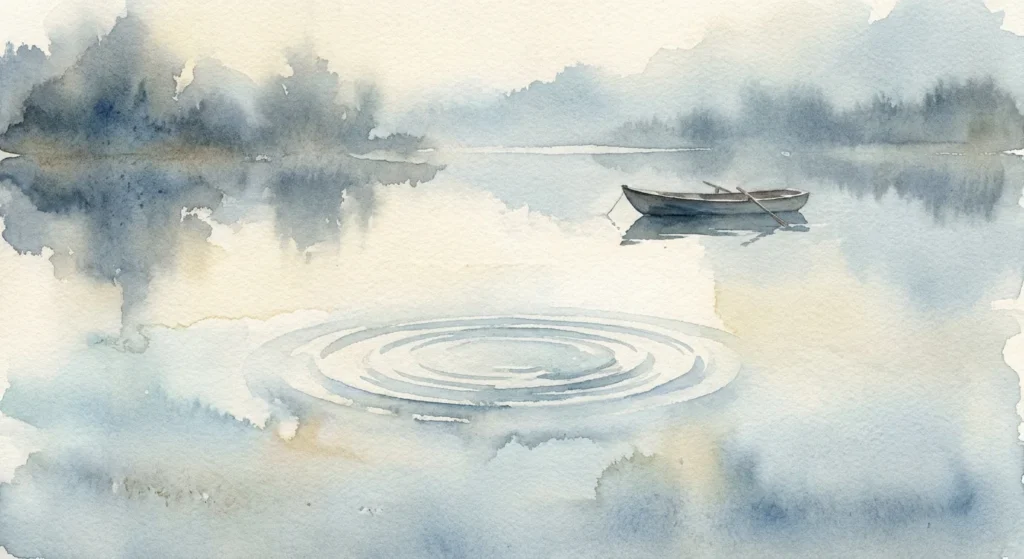
Burnout Creep: The Silent Drain
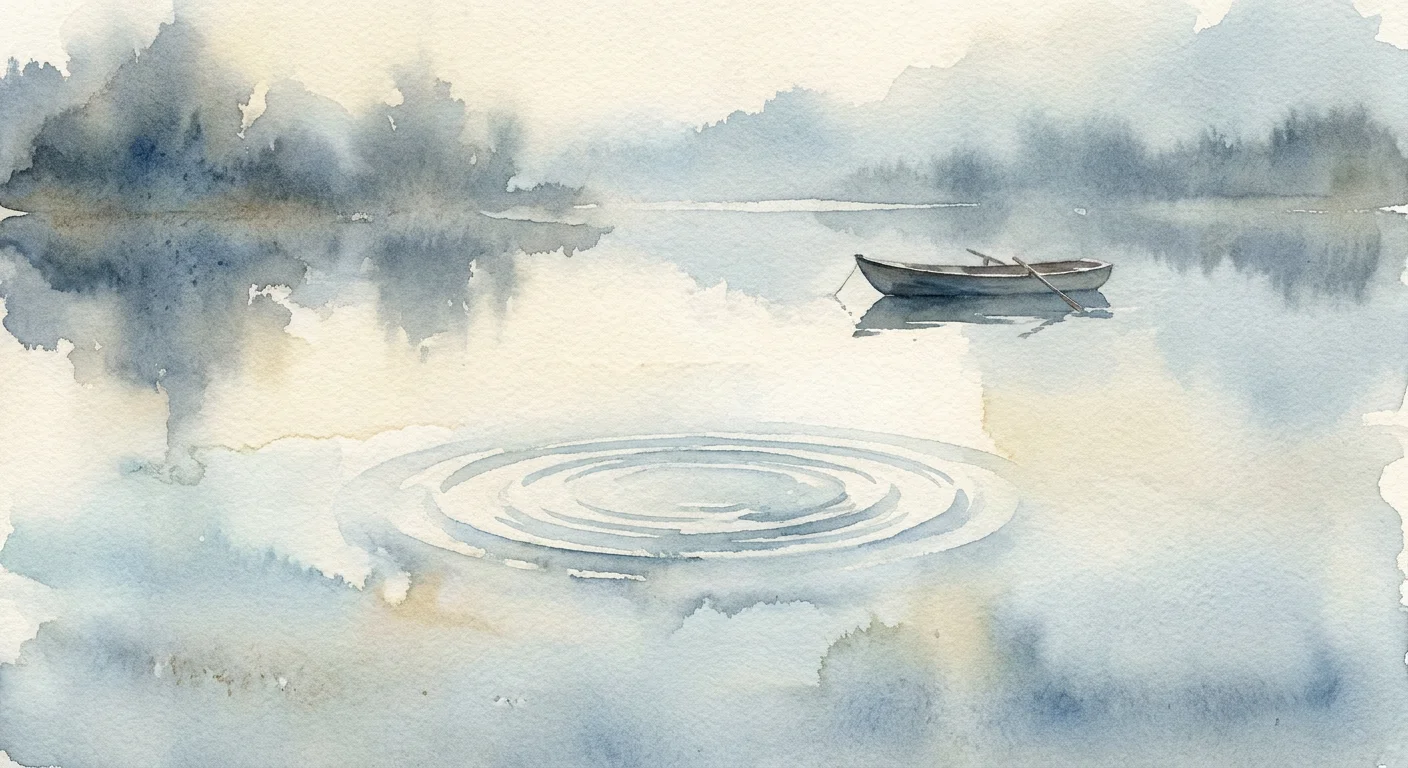
Catching the subtle signs before a small trigger becomes a big breakdown.
In our fast-paced, always-on world, burnout has become alarmingly common. What many don’t realize is that it rarely arrives with a sudden crash. Instead, burnout often creeps in stealthily, a gradual erosion of energy, enthusiasm, and emotional resilience. This silent drain, Burnout Creep, is insidious because its early signs are so easy to dismiss or rationalize. It whispers before it shouts, nudging you with minor discomforts long before it shoves you into a full-blown crisis. Understanding these subtle precursors is not just beneficial; it’s essential for safeguarding your mental and physical well-being. By learning to identify these quiet cues, you empower yourself to intervene before small, manageable triggers escalate into overwhelming breakdowns that can impact every facet of your life. This article will guide you through recognizing the early, often overlooked indicators of Burnout Creep and provide actionable strategies to reclaim your energy and prevent it from taking hold.
Notice Small Changes: The Whispers of Weariness
Do you find yourself snapping at loved ones over trivial matters? Does a minor inconvenience at work feel like a colossal, insurmountable obstacle? These sharp reactions to minor issues are not just a bad mood; they are often the first, most easily discernible whispers of impending burnout. What was once a minor irritant now sparks disproportionate anger or frustration. Perhaps you’re usually patient, but lately, the smallest delay triggers an intense emotional response. This isn’t about being “grumpy” or “stressed”; it’s a fundamental shift in your emotional regulation, a clear indicator that your system is running on fumes. Your emotional tank is empty, leaving no buffer for unexpected bumps. You might rationalize it away, blaming external factors or a “bad day,” but if this pattern becomes consistent, it’s time to listen very carefully. Your internal alarm system is signaling that your coping mechanisms are depleted, and your reserves are dangerously low. Ignoring these early warning signs allows the creep to continue, steadily increasing its grip on your well-being. Paying attention to these subtle changes in your reactions is the critical first step towards prevention.
Feel The Hidden Strain: The Body’s Silent Plea
Beyond emotional reactivity, Burnout Creep manifests physically and cognitively, often in ways easily mistaken for other ailments or simply accepted as “the new normal.” Are you constantly tired, even after a full night’s sleep? This isn’t just ordinary fatigue; it’s a profound, unshakeable weariness that no amount of rest seems to alleviate. Your body and mind are working overtime, perhaps dealing with chronic stress or an overloaded schedule, leaving you in a perpetual state of exhaustion. Alongside this relentless fatigue, you might notice a distinct decline in your cognitive functions. Is it harder to focus on tasks that once came easily? Do you frequently misplace items, forget appointments, or struggle to recall simple information? These aren’t necessarily signs of aging; they are tell-tale indicators that your mental processing power is being taxed to its limits. Your brain, overwhelmed by continuous demands and lack of recovery, struggles to maintain clarity and efficiency. This “brain fog” makes decision-making arduous, impacts productivity, and can lead to a pervasive sense of inadequacy. Your mind and body are silently struggling to keep up with the relentless pace, desperately sending signals that they are operating beyond their sustainable capacity. Acknowledging this hidden strain is crucial for recognizing the depth of the problem.
When Little Things Break You: The Alarm Bell Rings
The progression of Burnout Creep reaches a critical juncture when even the most minor setback triggers an overwhelming emotional response. Imagine this scenario: a minor technical glitch, a spilled cup of coffee, or a slightly delayed email, and suddenly you’re on the verge of tears, or perhaps you experience a surge of uncontrollable anger. This disproportionate reaction, where a minuscule event brings you to an emotional breaking point, is a loud and clear alarm bell. It signifies that you have quietly, perhaps imperceptibly to yourself, reached your absolute limit. Your emotional reservoir is not just low; it’s completely empty, leaving you with zero capacity to absorb even the slightest additional stress. This isn’t about being “sensitive”; it’s a physiological and psychological response to prolonged stress and depletion. Your system is overloaded, and it’s desperately trying to signal that it can no longer cope. This moment is not a sign of weakness but a stark indicator that your body and mind are begging for a significant pause and recalibration. Ignoring this ultimate warning can lead to more severe health issues, including chronic anxiety, depression, and physical illness. Recognizing this breaking point and acting upon it without delay is paramount to preventing a full-blown breakdown.
Take Back Your Energy: Proactive Steps to Reclaim Your Life
The good news is that recognizing Burnout Creep, even at its more advanced stages, is the first powerful step towards recovery. Taking back your energy doesn’t require a complete overhaul of your life overnight, but rather a consistent commitment to small, deliberate shifts. These small, seemingly insignificant changes can accumulate to create a profound impact on your well-being.
- Schedule Short, Intentional Breaks: Don’t wait until you’re exhausted. Integrate micro-breaks throughout your day. Step away from your screen for five minutes, stretch, walk to the window, or simply close your eyes and breathe deeply. These aren’t luxuries; they are essential resets for your mind and body.
- Master the Art of Saying ‘No’: This is perhaps one of the most challenging yet effective strategies. Learn to politely decline commitments that don’t align with your priorities or that would overextend your capacity. Protecting your time and energy is a form of self-preservation. Remember, saying ‘no’ to one thing allows you to say ‘yes’ to what truly matters.
- Prioritize Sleep as Non-Negotiable: Quality sleep is the cornerstone of energy restoration. Aim for 7-9 hours of uninterrupted sleep each night. Establish a consistent sleep schedule, create a relaxing bedtime routine, and optimize your sleep environment. Think of sleep not as a luxury, but as a critical physiological repair process.
- Embrace Gentle Movement: You don’t need to become an Olympic athlete. Incorporate gentle physical activity into your daily routine. A brisk walk, some stretching, yoga, or cycling can significantly reduce stress, improve mood, and boost energy levels. Even 20-30 minutes a day can make a remarkable difference in both your physical and mental state.
- Reconnect with Hobbies and Joy: Make time for activities that genuinely bring you pleasure and fulfillment, completely unrelated to work or obligations. Whether it’s reading, painting, listening to music, gardening, or spending time in nature, these activities replenish your spirit and remind you of your innate capacity for joy.
- Practice Mindfulness and Reflection: Dedicate a few minutes each day to mindfulness. This could be meditation, journaling, or simply sitting in quiet contemplation. Becoming more aware of your thoughts and feelings without judgment can help you identify stressors and develop healthier coping mechanisms.
These small shifts, when practiced consistently, don’t just patch up the problem; they effectively restore your energy reserves, build resilience, and create a buffer against future stressors. The goal is to proactively nurture your well-being, rather than waiting for your system to crash. Taking ownership of your energy levels is perhaps the most empowering step you can take against Burnout Creep.
Don’t let burnout sneak up. Burnout Creep is a real and pervasive threat in our demanding world, but it doesn’t have to define your experience. By honing your awareness of the subtle shifts in your emotional landscape, recognizing the hidden strains on your physical and cognitive abilities, and heeding the alarm bells of disproportionate reactions, you gain the power to intervene early. Remember, self-care isn’t selfish; it’s a necessary investment in your long-term health, happiness, and productivity. Start today by implementing one or two of the suggested strategies. Pay attention to how you feel, honor your body’s signals, and be kind to yourself in the process. Your well-being is too important to be left to chance. Proactive self-care is your most powerful weapon against the silent drain.