The Hidden Stress Clench
That moment your body feels like a clenched fist. Here’s how to loosen up.
In our fast-paced, always-on world, stress has become an unwelcome, yet constant companion. It’s not just a mental state; it manifests physically, often subtly at first, then undeniably. This “stress clench” can permeate every aspect of your day, affecting your mood, productivity, and overall well-being. The good news is, your body is an incredible messenger, constantly sending signals long before stress becomes overwhelming. Learning to interpret these signals and respond proactively is the first, most crucial step in reclaiming your physical and mental freedom.
Notice Your Body’s Cues
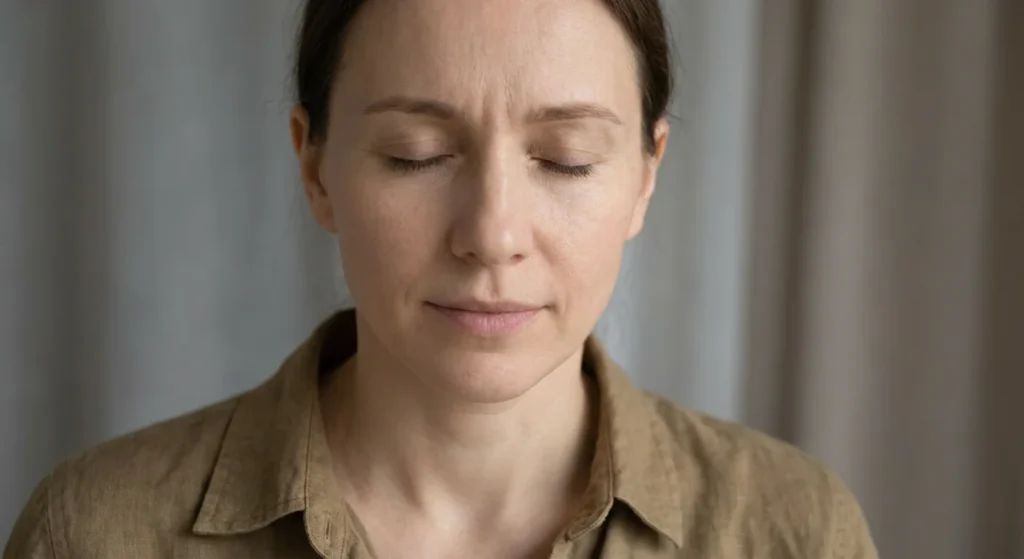
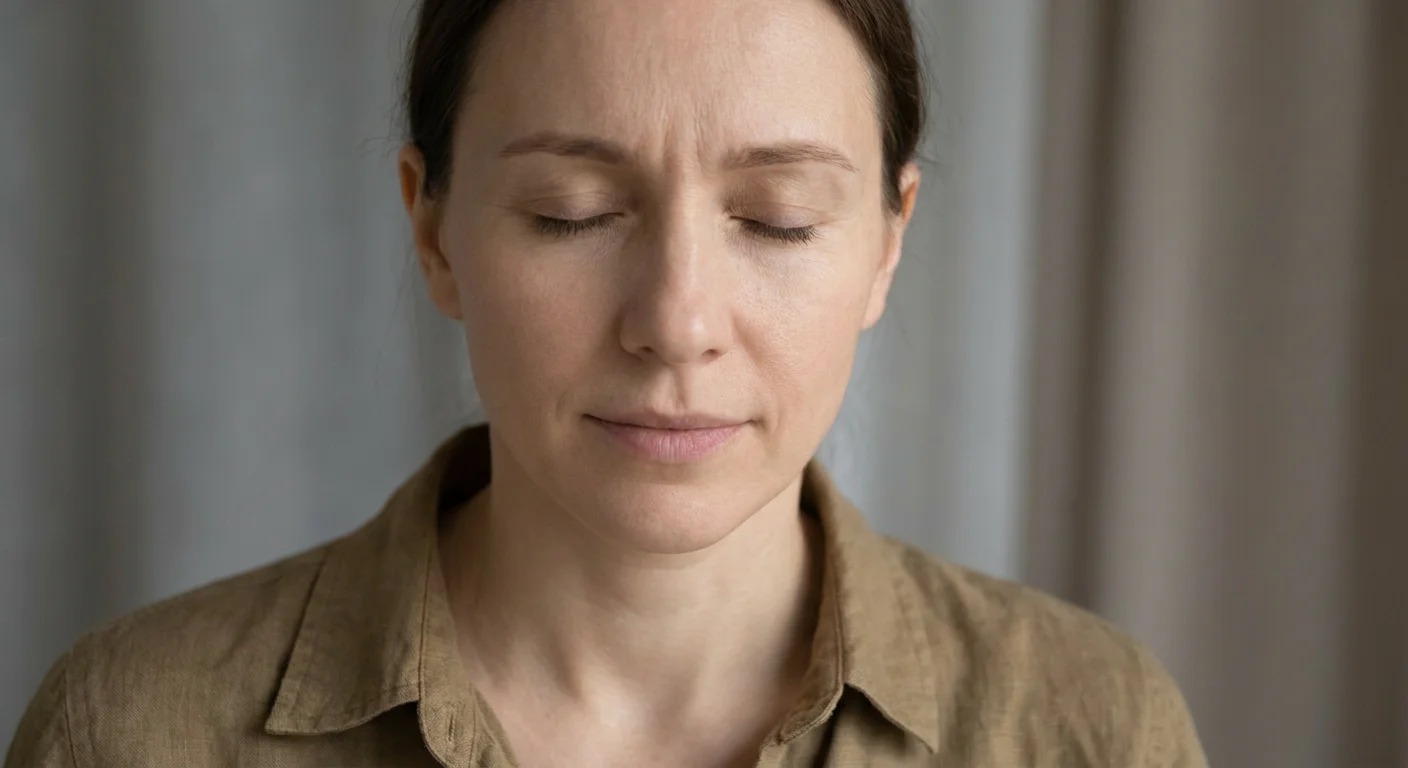
Your body is a sophisticated instrument, sending a symphony of signals long before stress overwhelms you. Too often, we’re conditioned to push through discomfort, ignoring subtle whispers until they become shouts. A tight jaw, hunched shoulders, a persistent knot in your stomach, or shallow, rapid breathing—these are not random aches. They are your body’s early warning system, telling you to pay attention, to pause, and to intervene before tension escalates. Ignoring these cues can lead to chronic pain, headaches, fatigue, and exacerbate underlying health conditions.
Consider your daily routine: Do you clench your teeth, hunch your shoulders, or hold your breath while focused? These seemingly minor habits accumulate, building a scaffold of tension that becomes your new ‘normal’. The first step towards loosening the stress clench is cultivating mindful awareness. Start by checking in with your body periodically. Set a silent alarm hourly, or use natural triggers like opening a new email as reminders. Ask yourself: “Where am I holding tension right now?” The simple act of noticing is powerful, creating space for change.
- Jaw: Is it clenched?
- Shoulders: Are they dropped, or hunched up?
- Neck: Does it feel stiff or mobile?
- Breath: Is it shallow or deep?
Recognizing these physical manifestations empowers you to address stress proactively. This conscious awareness transforms you into an active participant in your well-being, rather than a passive recipient.
Breathe Deep, Release Tightness
One immediate way your body responds to stress is by altering breathing patterns. Under pressure, we adopt shallow, rapid chest breathing, which signals ‘fight or flight’ to our nervous system, perpetuating the stress response. Deep, diaphragmatic breathing, conversely, activates your parasympathetic nervous system, signaling safety and relaxation, putting the brakes on your body’s stress response.
When you catch yourself holding your breath, or noticing that tight, shallow pattern, pause. Even a minute or two dedicated to conscious breathing can make a significant difference. Here’s a simple, effective technique:
- Inhale deeply through your nose: Count slowly to four as your belly rises. Place a hand on your stomach to feel this movement.
- Hold gently: For a count of one or two, if comfortable.
- Exhale slowly through your mouth: Purse your lips and exhale for a count of six, feeling your belly fall. Imagine releasing all tension.
- Repeat: Aim for 3-5 complete cycles. If time allows, continue for 5-10 minutes.
Emphasis on abdominal movement and a longer exhale stimulates the vagus nerve, promoting relaxation. This isn’t just about oxygen; it’s about consciously shifting your physiological state from tension to calm. Make this a habit. Every time you feel that familiar clench creeping in, remind yourself to “breathe deep, release tight.” It’s a powerful, always-available self-regulation tool.
Quick Body Scan & Soften
After anchoring yourself with deep breaths, conduct a quick, mindful body scan. This isn’t an elaborate meditation, but a rapid check-in to identify and release held tension. From head to toes, mentally sweep through each body part, consciously asking it to soften and relax. This practice brings immediate relief and helps pinpoint areas where you habitually store stress.
Start at the very top:
- Forehead & Eyes: Relax your forehead, unfurrow your brow. Let muscles around your eyes soften, releasing any squinting.
- Jaw: Allow your jaw to hang loose, creating a slight space between your teeth. Let your tongue rest gently.
- Neck & Shoulders: Imagine your shoulders dropping away from your ears. Let gravity do some work, releasing the grip you didn’t know you had. Roll them gently forwards and backwards if that helps.
- Arms & Hands: Let your arms hang loosely. Unclench your fists, open and close hands a few times.
- Torso & Core: Soften your belly. Release unnecessary tension in your back muscles.
- Hips & Legs: Feel your hips heavy. Relax your thighs, calves, and ankles.
- Feet: Wiggle your toes. Feel the connection of your feet to the ground.
This quick scan takes only a minute or two, but its effect is profound. By intentionally relaxing each muscle group, you disrupt habitual tension patterns. You’re actively participating in the release, sending a clear message to your nervous system that it’s safe to let go. Practice this throughout the day, especially after long concentration or before stressful situations. It’s like hitting a ‘reset’ button.
Micro-Movements Re-Set
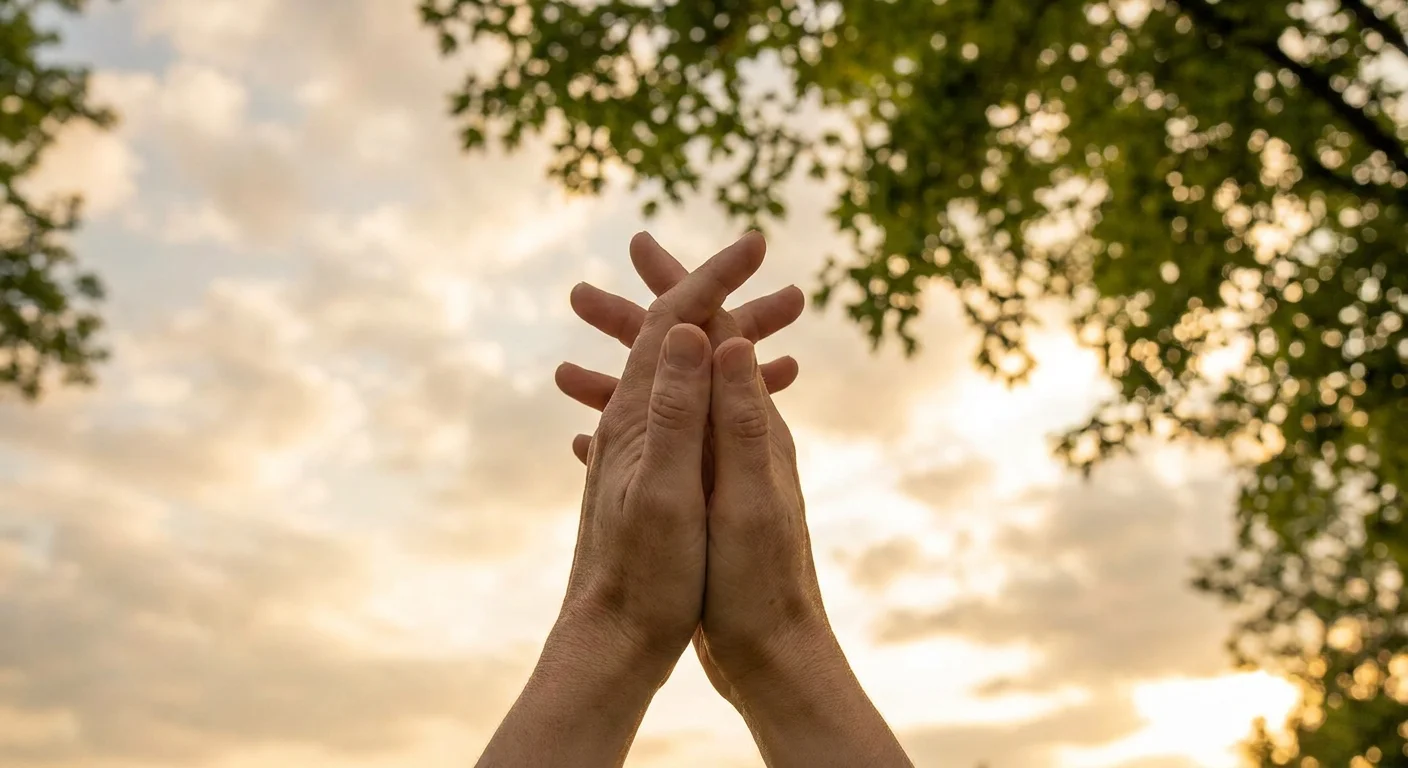
Our modern lifestyles involve long periods of stillness, leading to stagnant energy and accumulated tension. Even when not actively stressed, our bodies can get stuck in a static cycle. Micro-movements are incredibly powerful here. You don’t need an hour-long yoga session; even 60 seconds of gentle, intentional movement breaks physical and mental rigidity.
Think of micro-movements as mini-stretches or small acts of physical liberation:
- Neck Rolls: Gently drop chin to chest, then slowly roll head to one shoulder, then back through center to the other.
- Shoulder Shrugs & Rolls: Shrug shoulders up to ears, hold, then release completely. Roll them forwards, then backwards.
- Wrist & Ankle Circles: Rotate wrists and ankles in slow, controlled circles.
- Spinal Twists: While seated, gently twist torso to one side. Hold for a few breaths, then switch.
- Reach & Stretch: Stand up, interlace fingers, and reach arms overhead. Lean gently to one side, then the other.
- Walk Around: Even a short walk to the water cooler disrupts static tension.
These small interruptions prevent tension from building to overwhelming levels. They improve circulation, release endorphins, and signal flexibility and ease to your brain. Micro-movements are a proactive strategy, helping you stay fluid and adaptable, both physically and mentally, throughout your day. They are an invitation to embody a state of flow rather than rigidity.
Your body whispers before it screams. These simple, actionable strategies – noticing cues, deep breathing, body scans, and micro-movements – are not quick fixes; they are tools for cultivating a deeper, more compassionate relationship with your body. By learning to listen and respond to its subtle signals, you can proactively release the hidden stress clench, fostering calm, ease, and resilience in your daily life. Start small, be consistent, and observe the transformative power of these moments of self-care.