

The Burnout Whisper

From ‘I can handle one more’ to printer-induced tears on a random Wednesday.
It’s a story many of us know intimately, even if we’ve never given it a name. The slow, insidious creep of commitments, responsibilities, and self-imposed pressure, until suddenly, you’re standing over a jammed printer, inexplicably weeping. This isn’t a sign of weakness; it’s a symptom of a deeper, more pervasive issue: burnout. Burnout doesn’t arrive in a flash; it’s the cumulative result of ignoring subtle signals, pushing past limits, and constantly saying ‘yes’ when your entire being is screaming ‘no.’ It’s a whisper that, if unheeded, escalates into a deafening roar. But what if we could learn to listen to that whisper before it becomes a scream? What if we could identify the early signs and build defenses against the relentless demands of modern life? This article isn’t about productivity hacks; it’s about reclaiming your peace, understanding your limits, and honoring your well-being.
Spot the ‘One More Thing’
It starts innocently enough. A colleague asks for help on a project, your boss adds a new task to your already brimming plate, or a friend needs an hour of your time. Your internal monologue might sound something like: ‘Sure, I can take that on,’ ‘Just one more email, then I’m done,’ or ‘I’ll squeeze it in, it won’t take long.’ This constant agreement, often driven by a genuine desire to be helpful, to prove your worth, or simply to avoid conflict, slowly but surely chips away at your mental, emotional, and physical reserves. Each ‘one more thing’ feels minor in isolation, but collectively, they become a mountainous burden.
The problem isn’t the tasks themselves, but the automatic, unchecked impulse to accept them. We often operate under the misguided belief that saying ‘yes’ to everything makes us more valuable, more reliable, or more indispensable. In reality, it often leads to diluted effort, missed deadlines, and ultimately, a feeling of being overwhelmed and ineffective. This pattern of overcommitment is a direct path to exhaustion. Pay close attention when your inner voice says ‘yes’ almost reflexively, especially when your body or gut feeling sends a conflicting signal, screaming ‘no’ in a silent, desperate plea for respite. Recognizing this discrepancy is the first critical step toward prevention.
Think of your personal capacity as a finite resource, a daily ‘stress budget.’ Every commitment, every demand, every ‘one more thing’ draws from this budget. When you continuously overdraw, you enter a state of deficit, leading to interest charges in the form of fatigue, irritability, and decreased performance. Learning to identify these early withdrawals, the ‘one more things,’ is paramount to staying within your sustainable limits and avoiding the inevitable crash that comes from ignoring your financial (or energetic) realities.
Tune Into Your Body

Your body is an incredibly honest and sophisticated messenger, a silent alarm system constantly relaying vital information about your internal state. Unfortunately, in our fast-paced, always-on world, we’ve become experts at ignoring its signals. We push through the fatigue, caffeinate away the drowsiness, and numb the stress with endless distractions. But your body doesn’t forget, and it certainly doesn’t stop trying to communicate.
Are your shoulders chronically creeping up to your ears, creating a perpetual knot of tension in your neck? Is your jaw often clenched, leading to headaches or dental issues? Do you feel a persistent, low-level hum of anxiety in your stomach or chest, a gnawing unease that follows you through your day? Perhaps you’re experiencing unexplained headaches, digestive issues, or a general feeling of malaise. These aren’t just minor annoyances to be endured or medicated away; they are vital, urgent signals that you are consistently operating beyond your sustainable capacity. They are your body’s way of whispering (or sometimes shouting) that something needs to change.
Learning to listen to these cues requires a conscious effort to slow down and conduct a ‘body scan.’ Take a moment right now: How does your body feel? Where are you holding tension? What physical sensations are present? This awareness is a powerful tool. When you start to notice these early warning signs – the subtle tremors of fatigue, the first hint of irritability, the difficulty concentrating – you can take proactive steps. Ignoring these signals is like ignoring the ‘check engine’ light in your car; eventually, you’ll be stranded. Your body knows your limits far better than your mind, which is often overridden by ambition or obligation. Listen closely, for in its honesty lies the key to your resilience.
Build a Gentle ‘No’
For many, the idea of saying ‘no’ evokes a cascade of negative emotions: guilt, fear of disappointing others, apprehension about missing out on opportunities, or even fear of being perceived as unhelpful or lazy. Yet, saying ‘no’ isn’t about being unhelpful or selfish; it’s about honoring your boundaries, protecting your finite energy reserves, and ultimately, ensuring you can show up authentically and effectively for the commitments you truly value. It’s an act of self-preservation that benefits everyone involved, as an overcommitted and burnt-out individual is rarely truly effective.
The good news is that saying ‘no’ doesn’t have to be abrupt or confrontational. You can build a ‘gentle no’ – a firm yet polite refusal that clearly communicates your boundaries without burning bridges. Practice small ‘no’s first to build confidence. Start with phrases like: ‘I appreciate you thinking of me, but my plate is completely full at the moment.’ Or, ‘That sounds like an interesting opportunity, but I can’t take on anything new right now.’ You can even offer alternatives: ‘I can’t take that on right now, but I can check in later in the week if it’s still needed,’ or ‘I can’t commit to that project, but perhaps [colleague’s name] might be available?’
Remember, a ‘no’ to one thing is a ‘yes’ to something else – a ‘yes’ to your well-being, to your existing commitments, and to the quality of your work. It gets easier with practice, I promise. Each time you gently but firmly assert your boundaries, you reinforce to yourself and to others that your time and energy are valuable commodities. This practice cultivates respect, both for yourself and from others, fostering a healthier, more sustainable way of working and living. Don’t be afraid to protect your peace; it’s your most valuable asset.
Prioritize Your Pause
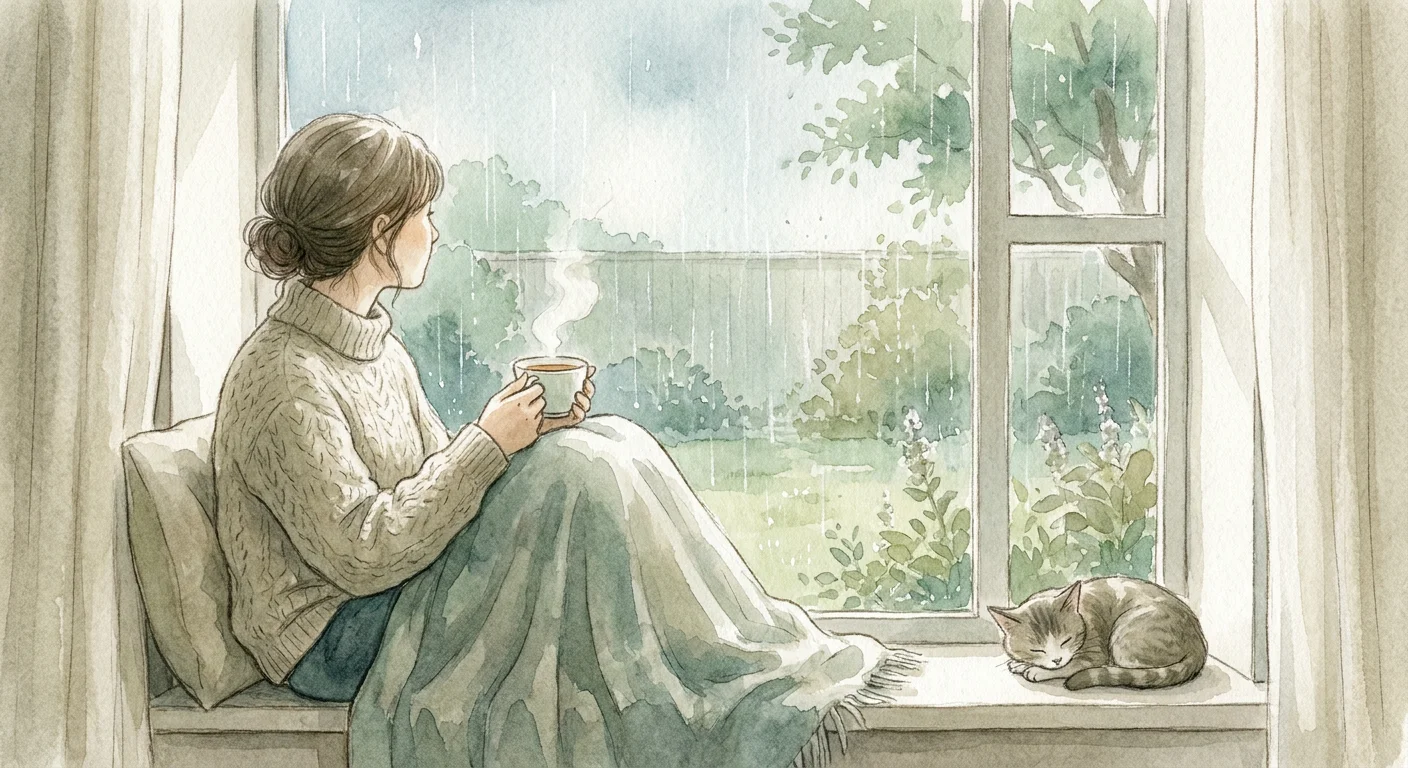
In a culture that often glorifies constant busyness, rest is frequently viewed as a luxury, a reward earned only after immense productivity. This mindset is not only detrimental but fundamentally flawed. Rest isn’t a reward; it’s a non-negotiable component of staying productive, creative, and, most importantly, sane. Our brains and bodies are not machines designed for endless output. They require periods of downtime to process information, consolidate learning, repair tissues, and restore vital energy reserves. Depriving yourself of these essential pauses is like trying to run a marathon without ever stopping for water – unsustainable and ultimately damaging.
Prioritizing your pause means actively scheduling and protecting moments of respite throughout your day, not just at the end of it. These don’t need to be lengthy breaks. Even five minutes can make a significant difference. Step away from your screen and look out a window, focusing on something distant. Stand up and stretch. Take a few deep, mindful breaths. Sip a cup of tea or water slowly, noticing the sensation. Engage in a brief, non-work-related conversation. These micro-pauses prevent the cumulative fatigue that leads to the infamous printer-induced meltdown. They act as circuit breakers, allowing your mind to reset and preventing your nervous system from going into perpetual overdrive.
Regular, intentional pauses are not a sign of weakness or laziness; they are a strategic investment in your long-term performance and well-being. They enhance focus, boost creativity, reduce stress, and improve decision-making. By making rest a priority, you are not just preventing burnout; you are actively fostering a more sustainable, joyful, and effective way of living and working. Remember, the goal isn’t just to get through the day; it’s to thrive within it. Your capacity for continuous output is directly linked to your commitment to consistent, restorative rest.
Your calm starts now.