Self-Care Burnout Is Real
When your ‘me-time’ feels like another item on the to-do list you can’t finish.
In our increasingly demanding world, the concept of self-care has moved from a niche wellness trend to a widely accepted necessity. We’re bombarded with messages—from social media influencers to mental health advocates—telling us that prioritizing our well-being is paramount. Yet, for many, the very act of practicing self-care has transformed into another source of anxiety, another unachievable goal on an already overflowing agenda. This phenomenon, often termed ‘self-care burnout,’ is a quiet crisis affecting countless individuals striving to maintain balance in their lives. It’s the silent dread of seeing a face mask or a meditation app as a chore rather than a comfort. If you find yourself exhausted by the very thought of ‘relaxing,’ or if your ‘me-time’ feels less like rejuvenation and more like another task to check off, you are not alone. This article delves into the reality of self-care burnout, exploring its origins and offering pathways to genuinely reclaim your peace.
It’s Not Just You: The Paradox of Performative Well-being
We’re constantly reminded that self-care is essential for mental health, productivity, and overall happiness. From bubble baths to journaling, from elaborate skincare routines to early morning yoga sessions, the list of ‘must-do’ self-care activities seems endless. However, for a significant number of people, this constant pressure to perform self-care becomes counterproductive, ironically adding to their stress levels. Imagine scrolling through social media, seeing perfectly curated images of serene individuals meditating at sunrise or sipping artisanal tea in a spotless, minimalist apartment. These idealized portrayals can subtly create an internal standard that is both unrealistic and draining. When your own attempts at self-care fall short of this perfection, it’s easy to feel like you’re failing, even at taking care of yourself.
This feeling is particularly common among those already juggling multiple responsibilities: careers, families, financial obligations, and personal aspirations. Adding a non-negotiable hour of ‘wellness’ to an already packed schedule can feel less like a gift and more like a burden. The intention behind self-care is noble—to prevent exhaustion and foster resilience. But when the practice itself becomes an obligation, a box to tick, it loses its restorative power. If you’re too tired for the very activities meant to relax you, that’s not a sign of personal weakness; it’s a symptom of a broader societal expectation that often misunderstands the true nature of rest and rejuvenation. Understanding that this struggle is widespread is the first step toward dismantling the guilt associated with self-care burnout.
Unpack the ‘Shoulds’: Beyond the Instagram Filter
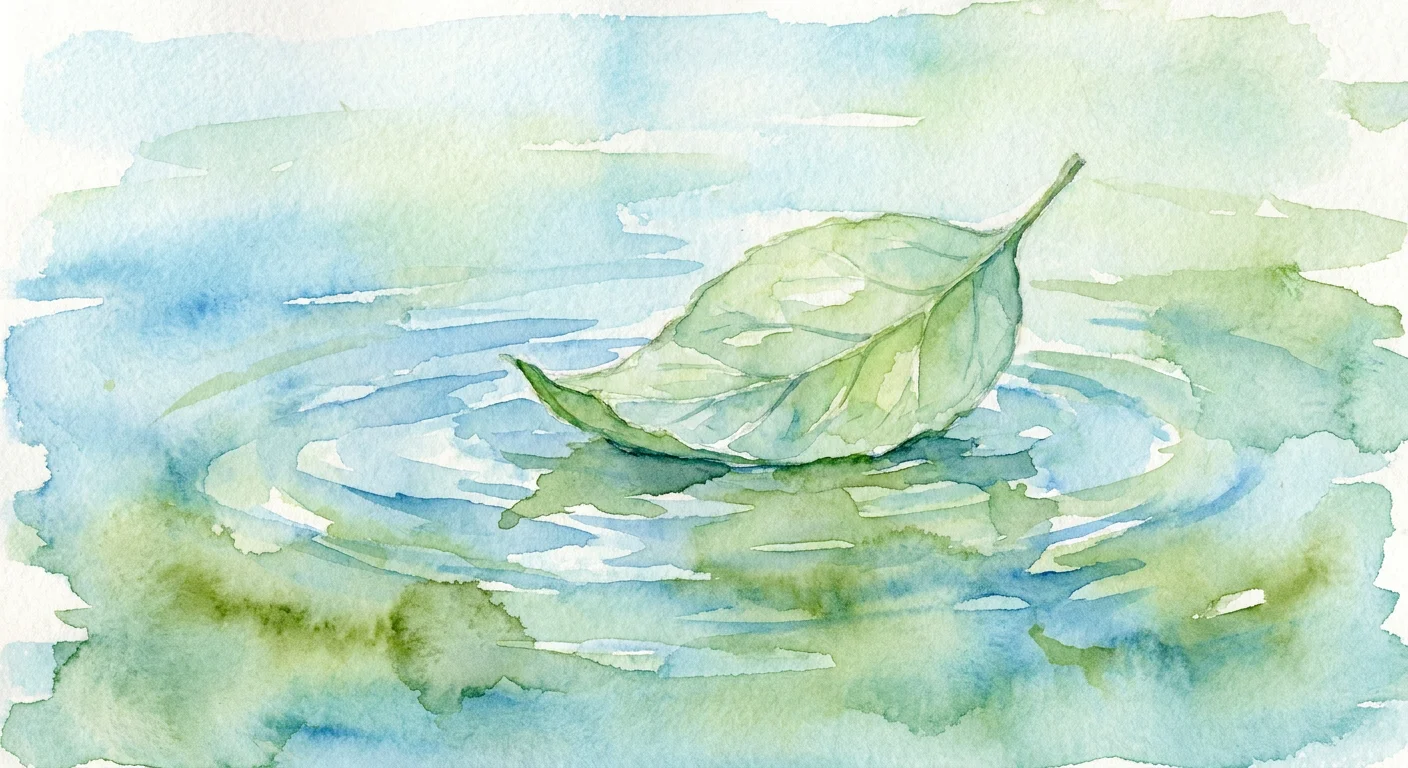
A significant contributor to self-care burnout is the pervasive influence of social media and commercialization on our perception of wellness. Much of what is presented as ‘self-care’ is meticulously curated, often for aesthetic appeal or marketing purposes. Think of the elaborate, frothy bath bombs, the expensive retreats, the designer athleisure wear, or the perfectly arranged matcha latte. These images, while visually appealing, set an often unattainable standard. They suggest that true self-care requires specific products, a certain lifestyle, or a particular amount of disposable income or free time. This can create unrealistic expectations, leading to a sense of inadequacy if your version of self-care doesn’t measure up to these polished portrayals.
The danger here lies in the shift from genuine self-nurturing to performative wellness. When we engage in self-care activities not because they genuinely make us feel better, but because we feel we ‘should’ or because they look good on our feeds, we’re missing the point entirely. This external validation seeking can transform an act of personal replenishment into another form of social performance. Genuine rest and recovery, which often involve messy, unglamorous, or solitary moments, can feel inadequate or like a failure if they’re not ‘Instagram-worthy.’ It’s crucial to challenge these ‘shoulds’ and recognize that effective self-care doesn’t need an audience, a filter, or a hefty price tag. It needs to serve your authentic needs, not a projected ideal.
Reclaim Your Quiet: The Art of Authentic Self-Care
Self-care isn’t about grand gestures; it’s about deeply understanding and meeting your actual needs in the moment. It’s about stripping away the external pressures and focusing on what truly replenishes your spirit, even if it seems trivial or unconventional by modern standards. Forgetting the perfect bath if what you genuinely need is a 10-minute power nap. Skipping the elaborate meal prep if ordering a healthy takeaway gives you precious time back. The essence of authentic self-care lies in its flexibility, responsiveness, and personal relevance.
This approach emphasizes micro-moments of peace and restoration over scheduled, elaborate rituals. It could be five minutes of quiet contemplation with a cup of tea, a short walk in nature, listening to a favorite song, or simply permission to do nothing without guilt. The goal is to identify what truly charges your battery, rather than following a prescribed list. It requires a gentle redirection of focus from what you ‘ought’ to be doing to what genuinely makes you feel better, more centered, and more at peace. By reclaiming your quiet, you’re not just resting; you’re actively resisting the pervasive pressure to constantly optimize and perform, even in your personal downtime. This allows for a deeper, more sustainable form of self-care that truly supports your well-being.
Listen to Your Body: Your Inner Compass for Well-being
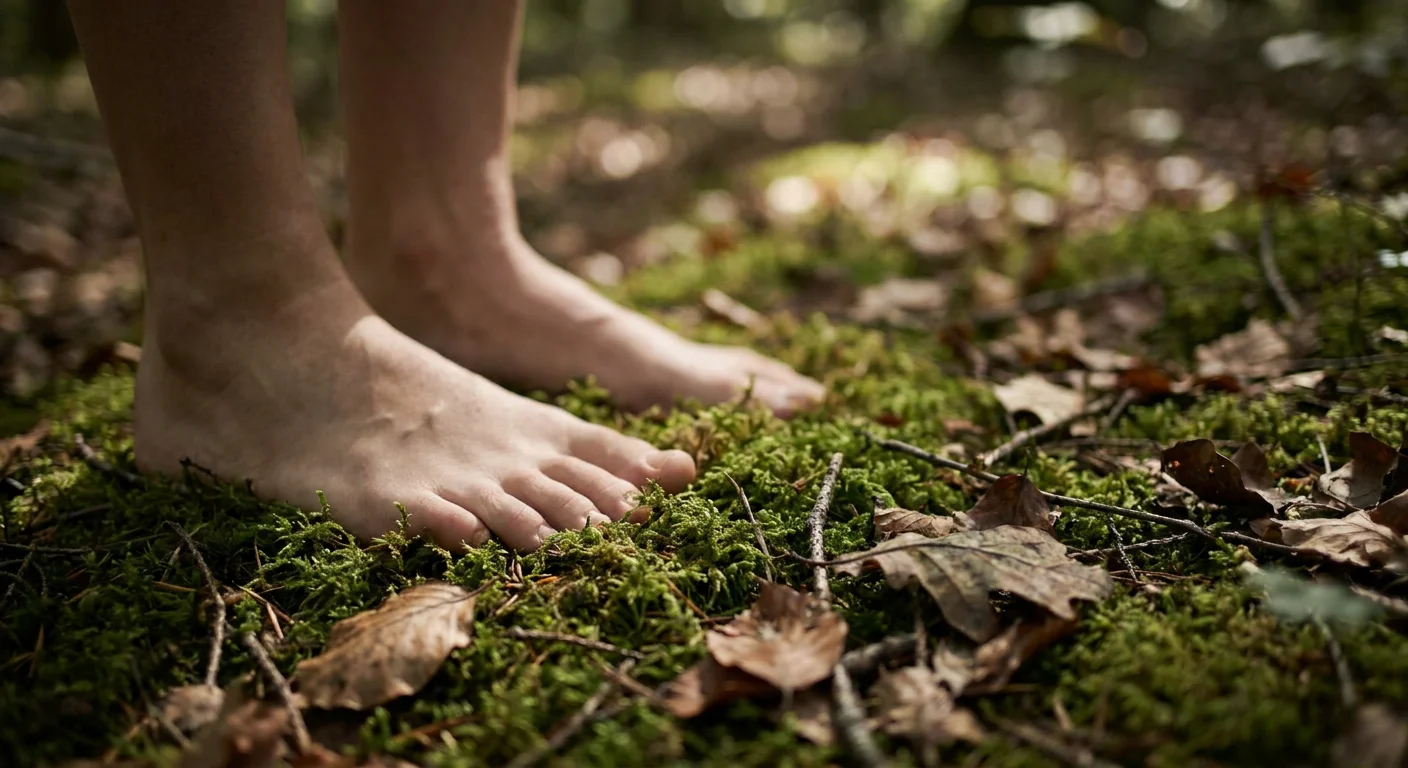
Perhaps the most powerful tool in overcoming self-care burnout is learning to listen to your body and mind. Your body knows what it needs long before your conscious mind starts creating a self-care checklist. Before planning any self-care activity, pause and ask yourself a critical question: What am I genuinely craving right now? Is it deep, uninterrupted rest? Is it quiet reflection, perhaps journaling or simply staring out the window? Do you need a simple walk in the fresh air, connecting with nature without any specific destination? Or is it just permission to opt out of an activity, to say ‘no’ to one more thing, and grant yourself space to simply exist?
This introspection is a form of mindfulness in itself. It allows you to tune into your authentic needs, rather than imposing external expectations or ‘shoulds.’ Sometimes, what you crave is utterly simple: a moment of silence, a comforting blanket, a warm drink, or even just sitting still. Other times, it might be more active: a burst of creativity, a meaningful conversation, or gentle physical movement. The key is to distinguish between what society or social media tells you self-care looks like, and what your unique self truly requires. By honoring these internal signals, you move from a place of obligation to one of genuine nurturing, transforming self-care from a stressor into a truly restorative practice. This intuitive approach is the bedrock of sustainable well-being, allowing you to adapt your self-care practices to the ever-changing demands of your life, ensuring that your ‘me-time’ genuinely recharges and rejuvenates you.
Find Your Authentic Rest