

Mind Racing at 2 AM?
What you eat can quiet (or amplify) your thoughts.
The digital clock glows 2:00 AM. Your eyes are wide open, and your mind is a relentless hamster wheel, spinning through tomorrow’s to-do list, yesterday’s regrets, or hypothetical scenarios that may never unfold. This common phenomenon, often dubbed “2 AM anxiety” or “racing thoughts,” can feel incredibly frustrating and isolating. While stress, lifestyle, and mental health factors play significant roles, one often-overlooked contributor to this nocturnal mental marathon is your diet. The food and drink choices you make throughout the day, particularly in the evening, profoundly impact your brain’s ability to switch off and find peace. Understanding how certain dietary elements either fuel or soothe your nervous system is the first step towards reclaiming your quiet nights and achieving restorative sleep.
Tame the Caffeine Jitters

It’s a morning ritual for many, a necessary pick-me-up to kickstart the day. But that evening coffee, the afternoon energy drink, or even hidden caffeine in certain sodas and chocolates can be the silent saboteur of your sleep. Caffeine is a powerful stimulant that blocks adenosine, a neurotransmitter that promotes relaxation and sleep. While its effects might seem to wear off after a few hours, caffeine’s half-life can be up to 6 hours, meaning half of the caffeine you consumed at 4 PM could still be actively circulating in your system at 10 PM. For some sensitive individuals, even less can keep their nervous system on high alert, creating an internal buzz that makes unwinding impossible.
Think of it this way: your brain is desperately trying to downshift for the night, but caffeine is keeping the engine revved. This heightened state of arousal makes it difficult for your mind to disengage from thoughts, leading to the dreaded 2 AM thought spiral. To avoid this, consider a “caffeine curfew.”
- Implement a Mid-Afternoon Cut-off: Aim to consume your last caffeinated beverage no later than 2 PM or 3 PM. Experiment to find what works best for your body.
- Explore Alternatives: For your afternoon or evening beverage, switch to calming herbal teas. Chamomile, peppermint, lemon balm, and valerian root teas are excellent choices known for their soothing properties.
- Be Mindful of Hidden Caffeine: Don’t forget about sources like dark chocolate, certain pain relievers, and even some decaffeinated coffees which still contain trace amounts of caffeine.
Making this simple swap can significantly reduce the internal chatter and pave the way for a more tranquil evening, allowing your brain to naturally transition into a state conducive to sleep.
Steady Your Blood Sugar
🎬 Watch the video version
The modern diet is often laden with refined carbohydrates and added sugars. While they offer a momentary burst of energy and pleasure, this comes at a cost: a rapid spike in blood glucose followed by an equally rapid crash. This metabolic rollercoaster isn’t just bad for your waistline; it profoundly impacts your mood and cognitive function. When your blood sugar plummets, your body releases stress hormones like cortisol and adrenaline to raise glucose levels back up. These hormones, designed for “fight or flight” responses, are antithetical to relaxation and sleep.
This biochemical stress response can manifest as anxiety, irritability, and, crucially, fragmented sleep or difficulty falling back asleep if you wake up. Your brain, detecting these stress signals, struggles to quiet down, making overthinking feel even more intense. It’s an internal alarm system going off when all you want is peace.
To keep your blood sugar stable and your mind calm:
- Prioritize Whole, Unprocessed Foods: Focus on complex carbohydrates found in whole grains (oats, quinoa, brown rice), legumes, and starchy vegetables. These release glucose slowly and steadily.
- Balance Your Meals: Always pair carbohydrates with protein and healthy fats. This combination slows down glucose absorption and provides sustained energy, preventing sharp peaks and valleys.
- Avoid Sugary Snacks Before Bed: That late-night ice cream or cookie might feel comforting, but it’s likely setting you up for a blood sugar crash and subsequent cortisol surge a few hours later.
A balanced approach to eating throughout the day ensures a more stable internal environment, significantly reducing the biochemical triggers that can contribute to a racing mind at night.
Fuel for Inner Quiet
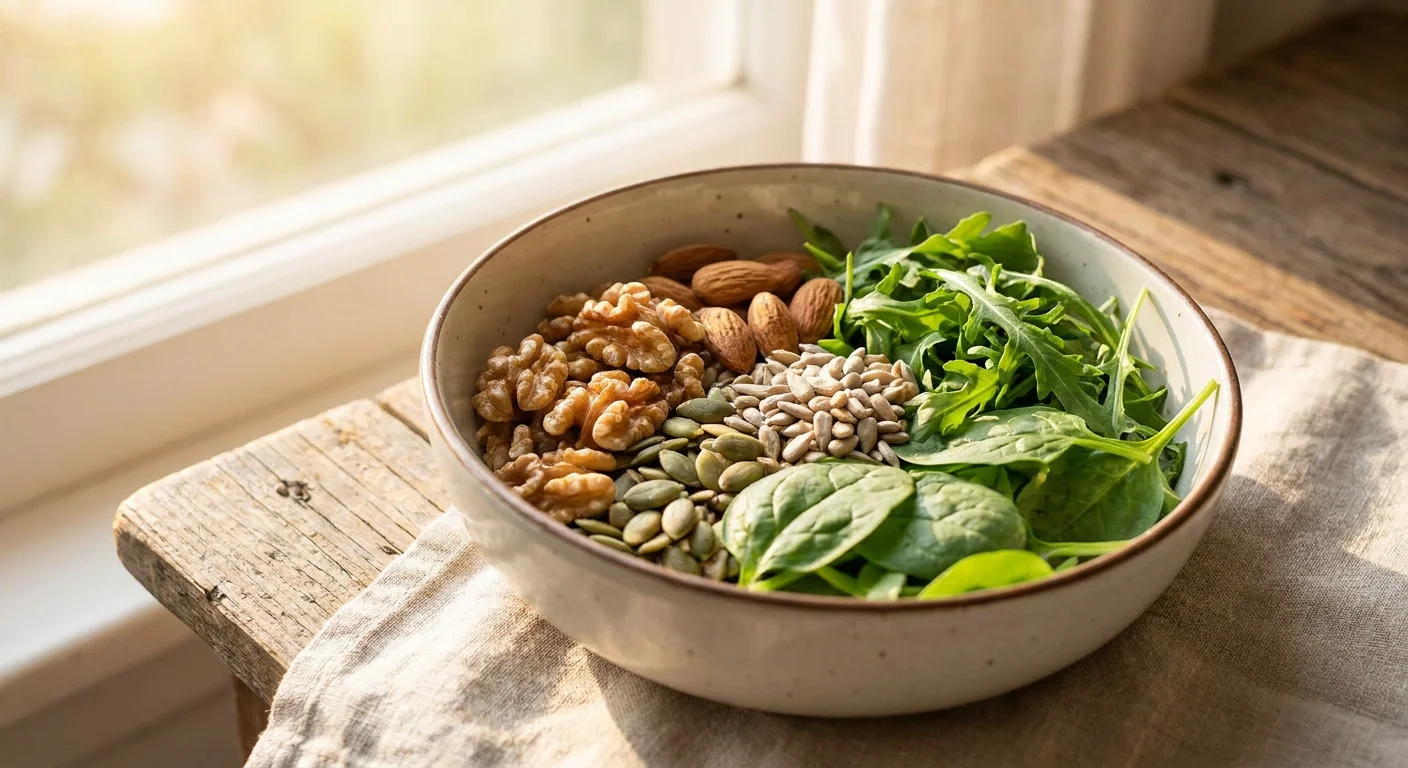
When your mind is buzzing, it’s often a sign that your body is craving specific nutrients essential for neurological calm and sleep regulation. Certain vitamins, minerals, and amino acids play critical roles in producing neurotransmitters that promote relaxation and aid sleep. Incorporating these “inner quiet” fuels into your daily diet can make a profound difference in your nocturnal peace.
- Magnesium: The Relaxation Mineral: Often called “nature’s tranquilizer,” magnesium is involved in over 300 biochemical reactions in the body, including those that regulate nerve and muscle function. It helps calm the nervous system by activating GABA receptors, the neurotransmitter responsible for dampening nerve activity.
- Sources: Leafy green vegetables (spinach, kale), nuts (almonds, cashews), seeds (pumpkin, chia), whole grains, dark chocolate, and avocados.
- Tryptophan: The Sleep Precursor: This essential amino acid is a precursor to serotonin, which in turn is converted into melatonin – the body’s primary sleep hormone. Consuming tryptophan-rich foods, especially with some complex carbohydrates, can help facilitate this conversion.
- Sources: Turkey, chicken, eggs, cheese, salmon, nuts, seeds, and bananas.
- B Vitamins: Nerve Support: B vitamins, particularly B6, B9 (folate), and B12, are crucial for brain health and the production of neurotransmitters like serotonin and dopamine. Deficiencies can contribute to anxiety and sleep disturbances.
- Sources: Whole grains, leafy greens, lean meats, eggs, and legumes.
- Omega-3 Fatty Acids: Brain Balancers: Found abundantly in fatty fish, these essential fats are vital for brain structure and function, helping to reduce inflammation and support mood regulation.
- Sources: Salmon, mackerel, sardines, chia seeds, flaxseeds, and walnuts.
By consciously incorporating these nutrient-dense foods into your regular meals, you’re not just feeding your body; you’re nurturing your brain’s capacity for calm and equipping it with the building blocks for peaceful sleep.
Your 2 AM Calm Kit

Despite your best efforts, you might still find yourself awake at 2 AM with a mind that refuses to settle. In these moments, your response is crucial. Avoid immediately reaching for your phone or engaging in stimulating activities. Instead, consider a small, strategic snack from your “2 AM Calm Kit.” The key here is small and bland – you don’t want to stimulate digestion too much or spike your blood sugar.
- A Banana: Rich in potassium and magnesium, bananas also contain tryptophan, offering a gentle trifecta for relaxation.
- A Few Almonds: A handful of almonds provides magnesium and healthy fats, promoting satiety and calming nerves without being heavy.
- A Small Bowl of Plain Oatmeal: A complex carb that slowly releases energy, oatmeal can help stabilize blood sugar and is easy to digest.
- A Glass of Warm Milk (Dairy or Non-Dairy): The psychological comfort of warm milk combined with its tryptophan content (in dairy milk) can be very soothing. Non-dairy options like almond milk also provide a calming ritual.
- Pair with Calming Herbal Tea: A mug of chamomile or lavender tea can enhance the relaxing effect.
The goal isn’t to have a full meal, but rather to provide a gentle nudge towards sleep by settling any subtle hunger pangs or blood sugar dips that might be contributing to your wakefulness. Combine this with a few deep breaths or a short, quiet meditation to guide your mind back towards rest. Remember, the objective is to gently encourage your body and mind to return to sleep, not to fully wake yourself up with a complex snack or stimulating activity.
Finding your quiet in the dead of night doesn’t always require drastic measures or medication. Often, the path to a peaceful mind begins with conscious dietary choices made throughout your day. By understanding how caffeine, blood sugar fluctuations, and nutrient deficiencies can amplify racing thoughts, you empower yourself to make better choices. Cultivating a diet rich in calming nutrients, managing stimulant intake, and being prepared with a soothing 2 AM snack can transform your nights from restless mental battles into rejuvenating sanctuaries. Take control of what you consume, and you might just find that your mind, too, learns to embrace the stillness of the night.
Find your quiet.