
One low rating can cost you tomorrow’s login bonus. Here’s what actually helps.
You wake up at 6 AM. Your phone screen already glows with notifications—surge incentives if you start by 7. Your back still aches from yesterday’s twelve hours on the bike. Your wrist throbs where you fell last week dodging a pothole. The hospital bill is sitting unpaid on your table because the app doesn’t cover accidents.
But none of that matters right now. What matters is that 4.3-star rating from last night. The customer complained their food was cold—even though the restaurant took thirty minutes to pack it, and you drove through traffic as fast as physics and fear would allow.
That single rating might cost you tomorrow’s login bonus. Three hundred rupees. Gone.
Welcome to the gig economy, where flexibility is the promise and exhaustion is the reality. Research covering over 10,000 workers revealed shocking patterns: over 83% work more than ten hours daily, close to 60% exceed twelve hours, and a staggering 31% push past fourteen hours each day. This isn’t entrepreneurship. This is survival dressed up as opportunity.
This isn’t another article celebrating “side hustles” or the “freedom” of being your own boss. This is about how you survive when the algorithm decides your worth, when customers treat you as invisible, and when one bad day can mean your family doesn’t eat.
The Five Battles You Fight Every Single Day
1. “The Algorithm Lottery: When Software Decides If Your Kids Eat Today”
Picture this
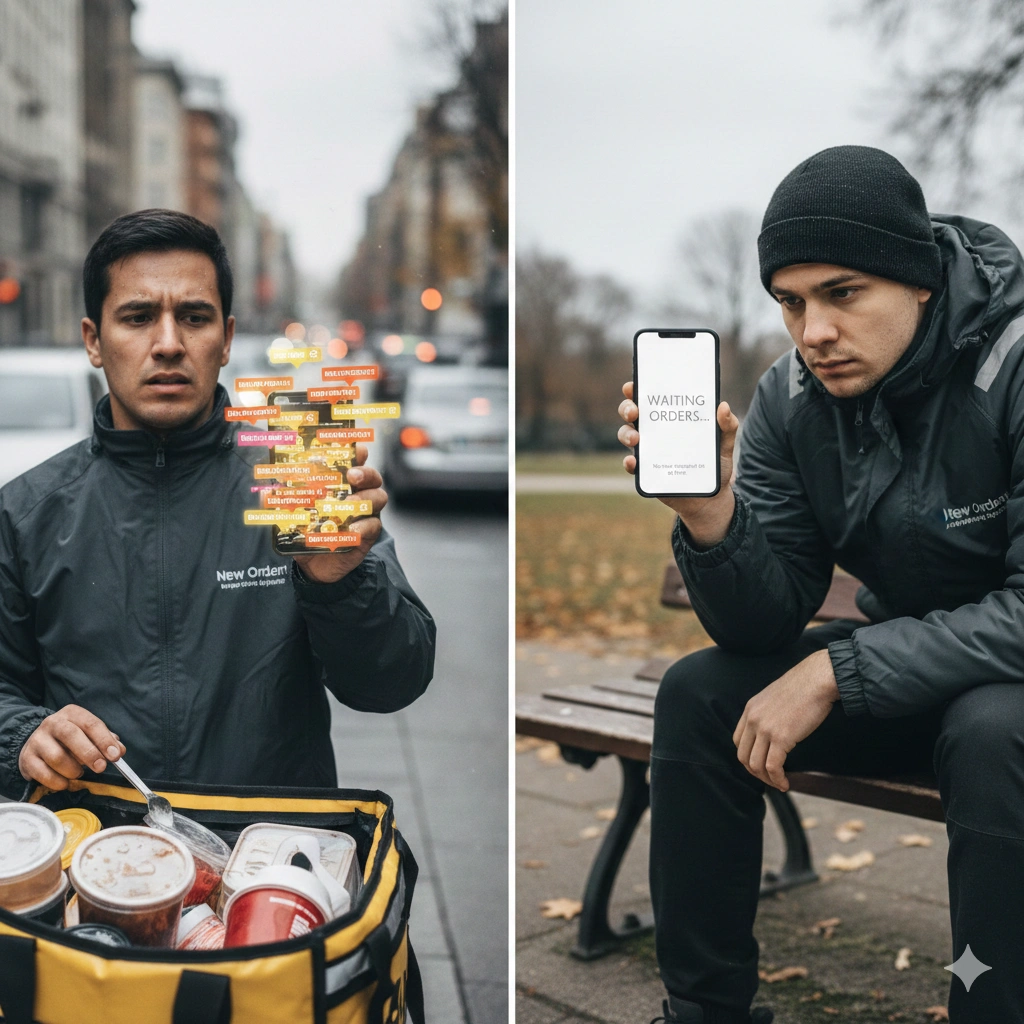
You logged in at 7 AM sharp to catch surge pricing. You waited. And waited. Nothing. Meanwhile, your friend—who started thirty minutes later—already has five orders. The app’s algorithm is a black box. Nobody knows how it works. Nobody can challenge it.
Research comparing actual commission rates with company claims found that while platforms say they charge 20%, analysis of worker screenshots revealed actual commissions ranging from 41% to 45%. The system is opaque, arbitrary, and stacked against you.
Studies on gig work reveal that unpredictability and instability in both schedules and income create high stress levels, with prolonged exposure leading to poor physical health and mental health problems including depression and anxiety.
You refresh the app obsessively. Fifteen times in five minutes. Nothing. Your phone battery drains. Your anxiety spikes. Will today be a ₹500 day or a ₹200 day? You won’t know until midnight.
What Actually Works
The 60-Second “Smile + Exhale” Before Knocking technique can ground you when stress becomes overwhelming. This micro-practice combines physical relaxation with emotional regulation.
Here’s how
- Park your bike: Pull over safely before each delivery
- Take three slow breaths: Inhale for 4 counts, exhale for 6 counts (slower exhale activates your calm response)
- Smile—even fake it: Research shows that smiling, even forced, triggers positive neurochemistry
- Check your shoulders: Roll them back, release tension
- Knock with intention: You’re delivering more than food—you’re delivering dignity
This 60-second pause interrupts the stress cycle. Your body gets a micro-rest. Your mind shifts from panic to presence. Do this before every single delivery—it compounds.
Additional Survival Strategies
Diversify Platforms
Don’t rely on one app. Register with multiple platforms (Swiggy, Zomato, Uber Eats, Dunzo). When one goes quiet, switch. This gives you agency when algorithms fail you.
Track Patterns
Keep a simple notebook. Which areas give consistent orders? What times surge? Knowledge is power when the system is designed to keep you powerless.
Find Your Tribe
Connect with other riders. Share information: which restaurants pack fast, which areas tip well, which roads flood during rain. Collective knowledge beats algorithmic opacity.
Research Reference
A nationwide survey covering 5,302 cab drivers and 5,028 delivery personnel across major Indian cities found that actual platform commissions far exceed stated rates, with workers facing income instability and algorithm-driven uncertainty.
Research study
Non-Stop Work, Life At Risk: The Untold Hardships of India’s Gig Workers
2. “The Invisible Man Syndrome: When Customers See a Bag, Not a Human”
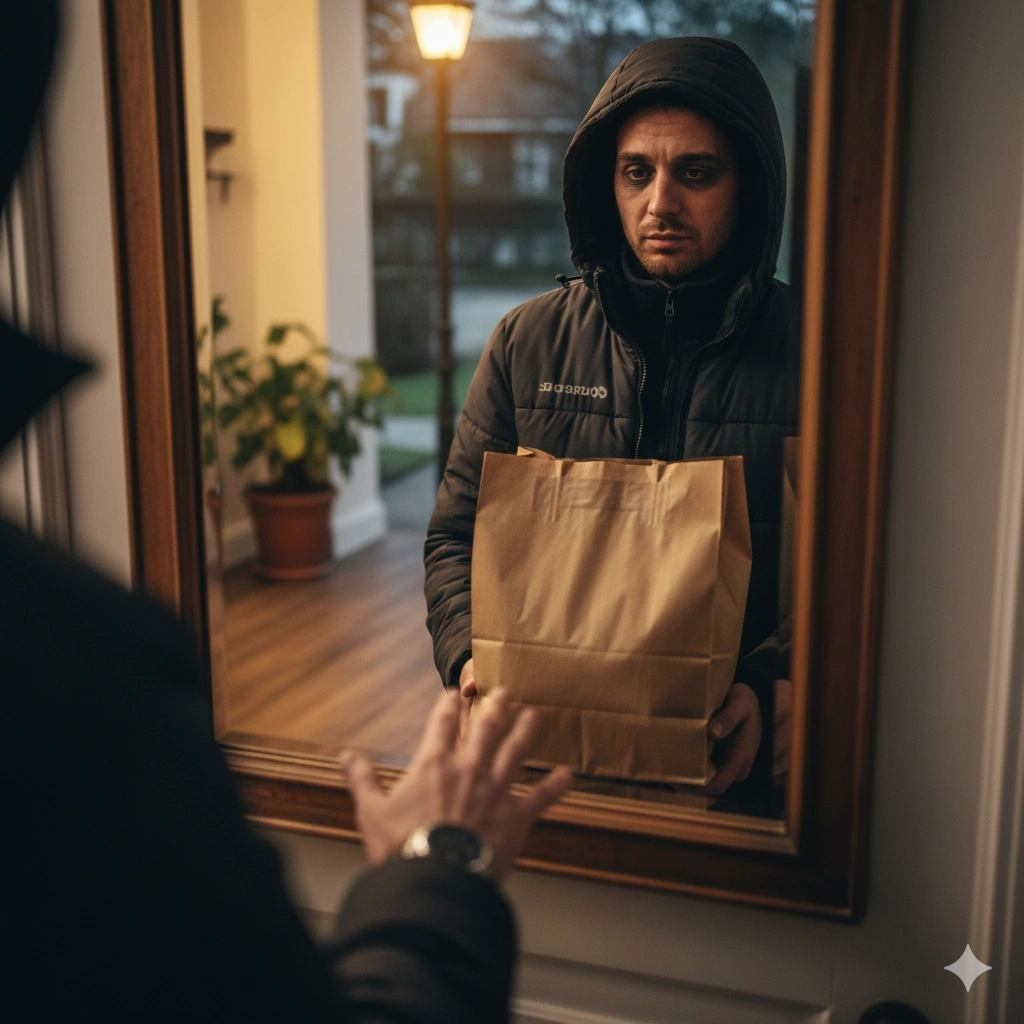
You arrive at the address. Ninth floor, no elevator. You climb stairs, knees screaming. You knock. The customer opens the door, takes the bag, and closes it. No eye contact. No “thank you.” You’re not even there.
Then your phone buzzes. They’ve rated you 3 stars. Reason: “Took too long.”
Research conducted in eight major Indian cities found that 99.3% of delivery workers reported health problems, with typical issues including back pain, leg pain, and chronic sleep deprivation. Yet customers see none of this.
Gig workers face a fundamental lack of community—they’re isolated, lacking colleagues with whom to share time and experiences, leading to heightened loneliness and anxiety.
You’re the person who delivered through flooding rains last week. Who skipped lunch today because orders kept coming. Who carries someone’s birthday cake with more care than they’ll ever know. But to them, you’re a faceless service—less human than the app interface.
What Actually Works
Reclaim Your Humanity—For Yourself
You can’t control how customers see you, but you can control how you see yourself. Here’s how.
The Daily Dignity Check (2 minutes, morning)
Before your first order, stand in front of a mirror. Look yourself in the eye. Say these words out loud:
- “I am more than my rating”
- “My work has dignity”
- “I matter”
This isn’t silly affirmation nonsense. This is neurological reprogramming. When society systematically dehumanizes you, you must systematically re-humanize yourself.
Document Your Humanity
One worker started taking photos of kindnesses: customers who offered water, children who smiled, dogs who wagged tails. He created a folder called “Evidence I’m Human.” On brutal days, he scrolls through it. This counters the constant dehumanization.
End-of-Day 2-Minute “Gratitude for Legs That Carried You”:
Before sleep, sit quietly. Do this.
- Acknowledge your body (30 seconds)
Place hands on your legs
Thank them for carrying you (seriously, out loud)
Notice where they hurt-name it without judgment
- Count three wins (60 seconds)
“I navigated that traffic safely”
“I stayed calm when that customer was rude”
“I earned enough for tomorrow’s groceries”
- Deep breathing (30 seconds):
Inhale: “I did enough”
Exhale: “I am enough”
This practice counters the toxic narrative that you’re never doing enough, never earning enough, never good enough. Research shows that loneliness among gig workers is associated with worse mental health and life satisfaction, making self-compassion practices crucial.
Research Reference
Studies examining gig worker mental health found that lack of community and social isolation are primary drivers of anxiety and depression, with workers scoring higher on loneliness measures than traditionally employed populations.
3. “The Marathon You Never Signed Up For: When ‘Flexible Hours’ Means Never Stopping”
The app promised flexibility. Work whenever you want, they said. Be your own boss, they said.
The reality? You’re working fourteen-hour days because rent is due. Because your child needs school fees. Because healthcare isn’t free and accidents happen.
Nationwide surveys found that 48.24% of delivery workers cannot take even one day off per week, working continuously seven days to meet basic living expenses.
The WHO and ILO report that working fifty-five or more hours weekly increases stroke risk by 35% and ischemic heart disease death risk by 17% compared to standard forty-hour weeks. You’re literally working yourself to death for login bonuses.
“The long shifts wear me out,” described one driver working twelve to fourteen hours daily. “It takes a huge toll on my body—my back aches, my legs seize up, and I can’t catch enough shut-eye. The mental strain is just as rough.”

What Actually Works
Forced Rest Architecture
Listen carefully: You will not rest unless you force it. The app will always have another order. Here’s how you build mandatory rest into impossible schedules:
The Two-Hour Sacred Block
- Pick two hours daily that are NON-NEGOTIABLE
- Turn off the app completely
- Not “just one more order”—completely off
- Use this for: eating properly, stretching, connecting with family
- Treat this like a doctor’s appointment you can’t miss
Research emphasizes that unpredictability and instability in gig work create chronic stress, requiring active intervention to prevent burnout and long-term health consequences.
The Power Nap Protocol
Between 2-4 PM, your body naturally dips in energy. If possible:
- Find shade (park, tree, building shadow)
- Set phone timer: 15 minutes
- Close eyes
- Don’t doom-scroll—actual rest
Studies on gig workers found that fifteen-minute rest breaks significantly reduce stress and improve afternoon performance, even in high-pressure environments.
The Sunday Shutdown
One day weekly—preferably Sunday—complete app shutdown. Not reduced hours. Complete shutdown. Your body and mind need actual recovery.
“Those of us who’ve stayed three years, it’s no small feat,” shared one worker. “When problems arise—broken bike, customer issues, delayed deliveries—there’s no company support. We riders help each other out.”
Create a Micro-Support Network
Identify 3-5 other riders you trust. Create a WhatsApp group called “Safety Net.” Share:
- “I’m taking Sunday off, need backup for emergencies”
- “Restaurant X is slow today, avoid”
- “Good surge in Y area right now”
This collective approach helps everyone work smarter, not just harder.
Research Reference
Analysis of gig worker conditions revealed that 78% work over ten hours daily, with extended hours leading to serious physical and mental health issues including chronic pain, sleep deprivation, and elevated stress hormones.
India’s gig workers: Their deplorable plight and how it can be remedied
4. “The Rating Roulette: When Your Worth Is Measured in Stars”
Five stars: You exist. Four stars: Warning. Three stars: Penalty. Two stars: You might be deactivated. One star: Career over.
Your entire livelihood hangs on the whims of customers who rate you poorly because:
- The restaurant was slow
- Traffic was bad
- They’re having a bad day
- You didn’t read their mind about the “extra spicy” note they forgot to mention
- You exist and they’re bored
Evidence suggests gig work is associated with poor mental health, potentially due to poor job stability, low wages, and worker surveillance through rating systems.
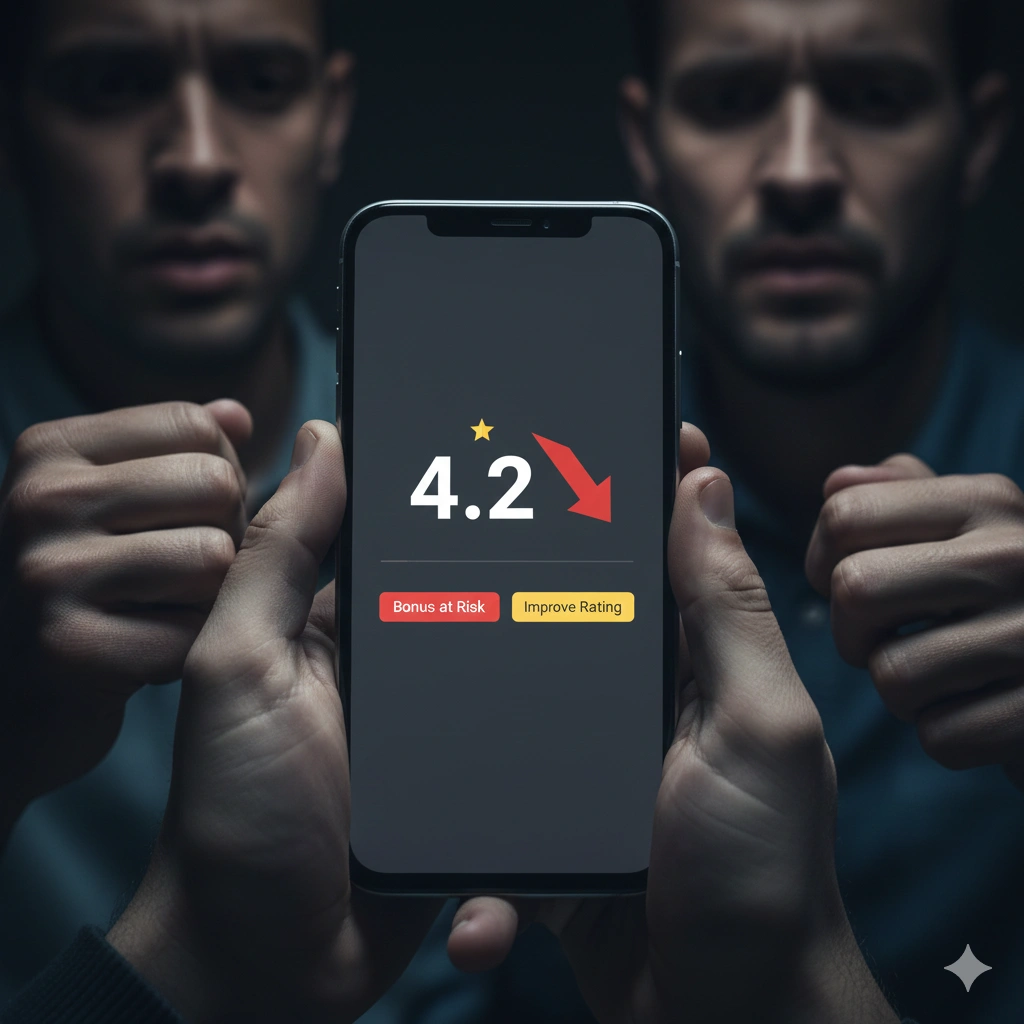
One worker described the rating anxiety: “Even if just one out of ten customers is rude, it affects us. When customers give poor ratings, our IDs are at risk.”
You’ve delivered 500 orders. 497 were perfect. Three had issues beyond your control. But those three stars haunt you. They determine tomorrow’s incentives. Next week’s login eligibility. Your family’s security.
What Actually Works
Mental Detachment From Ratings
This is the hardest skill you’ll learn: detaching your self-worth from arbitrary metrics. Here’s how:
The Rating Reality Check (Daily)
Before checking your rating, say this mantra
- “This number doesn’t define my worth”
- “I control my effort, not their perception”
- “One bad rating doesn’t erase 100 good ones”
Document Everything
For every delivery
- Screenshot pickup time
- Screenshot navigation route
- Photo of food condition at pickup
- Photo at delivery
If disputed, you have evidence. Many workers have successfully appealed unfair ratings by showing proof of timely, proper delivery.
The 24-Hour Rating Rule
Never check ratings immediately after deliveries. Wait 24 hours. This breaks the obsessive checking cycle that destroys mental health. Compulsive rating-checking creates anxiety spikes that compound throughout the day.
Psychological research on gig work found that consumer rating systems create constant surveillance stress, with workers experiencing heightened anxiety comparable to clinical levels among vulnerable populations.
Appeal Unfair Ratings—Actually Do It
Most platforms allow rating disputes. Few workers use this. Why? Because the process is opaque and discouraging. But:
- Document the issue
- Use the app’s “report problem” feature
- Be specific: “Customer rated 2 stars for restaurant delay, screenshot shows I waited 30 minutes for food preparation”
- Follow up
Success rate isn’t high, but zero effort guarantees zero change.
Join Rating Support Groups
Some rider unions and WhatsApp groups focus on helping members dispute unfair ratings collectively. Together, you’re harder to ignore.
Research Reference
Systematic reviews of psychosocial risk factors in gig work identify consumer rating systems as a primary source of mental distress, creating pervasive anxiety and sense of powerlessness among workers.
Stress and the gig economy: it’s not all shifts and giggles
5. “The Healthcare Roulette: When You Can’t Afford to Get Sick or Injured”
You fell off your bike last month. A car cut you off. You have road rash on your arm and a twisted ankle. You went to the hospital—₹3,500 bill. The app’s insurance? Doesn’t cover it because you were “technically between orders.”
A study of 2023 Fair Work India practices found gig workers earn ₹15,000-20,000 monthly, below minimum wage for the hours worked, with over 70% struggling to manage household expenses due to irregular earnings and high platform commissions.
Last week, you delivered with fever. You had no choice. No work means no income. No income means no food. So you delivered, dizzy and nauseous, until you couldn’t anymore.
“This past month, I have had either fever or body ache every other day,” a worker described. “There’s no time to take a break.”
Workers face extreme weather—40°C heat, unseasonal rain, cold mornings—with zero protection. Studies found that 52% of surveyed workers experienced heat exhaustion and heat stroke from working over eight hours outdoors daily.
One worker nearly passed out from heat while driving a customer: “I almost fell unconscious while driving due to heat and exhaustion. Luckily, I realized I wasn’t feeling well in time and stopped.”
There’s no sick leave. No health insurance that actually works. No workplace safety regulations. You are, legally, an “independent contractor”—which means all risks externalized to you.

What Actually Works
DIY Healthcare Safety Net
Since platforms won’t protect you, you must protect yourself:
Basic First Aid Kit (Keep on Bike)
- Antiseptic cream
- Bandages
- Pain relievers
- Oral rehydration salts
- Muscle pain relief spray
- Basic fever medication
Cost: ₹500-800. Can prevent small issues from becoming hospital visits.
The Hydration Rule
Dehydration causes most heat-related issues. Carry 2-liter water bottle. Drink 200ml every hour, not just when thirsty. Dehydration reduces cognitive function—you’re more likely to have accidents when dehydrated.
Extreme Weather Protocol
On days when temperatures exceed 38°C or during heavy rain:
- Work half-days if financially possible
- Take 10-minute breaks every 2 hours in shade or shelter
- Wear proper rain gear—not just for comfort, for safety
- Decline orders during peak heat (12-3 PM) if you can afford it
Community Health Pools
Some rider collectives create informal health funds: Each member contributes ₹100-200 monthly. When someone has medical emergency, the pool helps cover costs. It’s not insurance, but it’s something.
Know Your Rights (Seriously)
The Rajasthan Platform-Based Gig Workers Act 2023 was recently passed, providing certain welfare benefits and worker protections. Research what protections exist in your state. Demand them. Join unions pushing for better healthcare coverage.
Preventive Health Basics
- Stretch before starting work (5 minutes prevents injuries)
- Eat proper meals, not just street snacks
- Sleep 7+ hours when possible (survival, not luxury)
- See doctor for annual checkup (cheaper than emergency visits)
Research Reference
Government data indicates India’s gig economy will expand to 23.5 million workers by 2029-30, yet most lack basic social security benefits including health insurance, with platforms externalizing healthcare costs and risks entirely to workers.
Transforming India’s Gig Economy
The Uncomfortable Truth About the Gig Economy
Here’s what the tech companies won’t tell you: The system is designed to extract maximum value from your labor while providing minimum security and dignity.
“Flexibility” means risk transferred entirely to you. “Be your own boss” means no boss protecting your rights. “Earn on your terms” means earnings determined by opaque algorithms you can’t question.
During COVID-19 pandemic, platforms praised workers as essential heroes delivering food and medicine while simultaneously providing almost no support, safety measures, or additional compensation despite enhanced workloads and intensive digital surveillance.
In extreme cases, reports suggest that companies allegedly delete digital records if riders die while working, thus escaping liability for compensation. This hasn’t been independently verified across all platforms, but the mere possibility reveals how disposable the system considers you.
But here’s the other truth
You have more power than you think.
Collective action works. When Swiggy delivery workers staged significant strikes in 2023 across various Indian cities, demanding better working conditions, fair wages, and improved benefits, some improvements followed. Not enough, but something.
Your survival, your dignity, your mental health—these matter. The app will tell you they don’t. The algorithm will treat you like a number. Some customers will treat you like furniture.
But you are human. Full stop.
Your Daily Survival Toolkit
Morning Routine (10 minutes)
- 6:00 AM: Wake up, drink water (dehydration from yesterday)
- 6:05 AM: 2-minute “Gratitude for Legs” from last night becomes morning body check
- 6:07 AM: Physical stretches—back, legs, wrists, neck (prevents injury)
- 6:10 AM: Check app, but don’t let first order rush dictate your morning
During Work (Every 2 hours)
- 60-second “Smile + Exhale” before each delivery
- Hydration check: Have you drunk water in past hour?
- Body check: Where does it hurt? Acknowledge it.
- Rest in shade if possible between orders
Mid-Day Break (Mandatory 30 minutes)
- Turn off app completely
- Eat proper food, not just snacks
- Call home/friend—actual conversation
- Breathe without checking notifications
Evening Wind-Down (15 minutes)
- 8:00 PM or whenever you stop: Immediate app shutdown
- 8:05 PM: End-of-day “Gratitude for Legs That Carried You” practice
- 8:10 PM: Review tomorrow—any rest possible?
- 8:15 PM: Connect with family without phone distraction
Weekly Essentials
- One complete day off (your body demands this)
- Calculate weekly earnings vs hours (track your actual wage)
- Connect with other riders—share info, build community
- Check bike maintenance (safety prevents expensive accidents)
Monthly Musts
- Review health: Any persistent pain? Address it before it worsens.
- Check finances: Are you earning enough? Can you negotiate better?
- Assess mental health: Are you okay? Really?
- Connect with rider unions or support networks
When Everything Becomes Too Much
If you’re reading this section, you’re probably at the breaking point. The money isn’t enough. The body hurts constantly. The rating anxiety keeps you awake. You’re wondering if it’s worth it.
Listen carefully: Your life has value beyond your star rating. Always.
Depression, anxiety, and financial stress in gig work are real and documented. Research shows gig workers experience higher stress, loneliness, and mental health challenges than traditionally employed populations, with many lacking access to mental health resources.
Immediate Steps When Crisis Hits
1. Stop the bike. Literally. Pull over safely. Turn off app. Breathe for five minutes. You cannot pour from an empty cup.
2. Call someone who cares. Family, friend, fellow rider. Say these words: “I’m struggling. I need to talk.”
3. Calculate minimum survival. What’s the absolute minimum you need daily? Can you work half-days for one week to recover? Sometimes strategic rest saves your entire career.
4. Explore alternatives. Are there other gigs? Different platforms? Temporary breaks? You’re not trapped, even when it feels that way.
5. Reach out to rider unions. Many cities have gig worker associations offering support:
- Indian Federation of App-based Transport Workers (IFAT)
- Telangana Gig and Platform Workers Union (TGPWU)
- Local rider WhatsApp groups
Mental Health Resources
India
- KIRAN Helpline: 1800-599-0019 (24/7, free)
- Vandrevala Foundation: +91-9999666555
- iCall Helpline: 9152987821 (Mon-Sat, 8 AM – 10 PM)
Remember
- Platforms will replace you in the algorithm. Your family cannot replace you in life.
- Login bonuses end. Your life doesn’t have to.
- Bad ratings are temporary. Permanent decisions based on temporary pain are forever.
Final Reminders: You Matter
Daily Anchors
- 60-second “Smile + Exhale” before deliveries
- 2-minute “Gratitude for Legs” each evening
- Hydration every hour
- One proper meal daily
- Mandatory rest breaks
Weekly Non-Negotiables
- One full day off
- Connect with other riders
- Check your actual earnings vs hours
- Address any persistent pain
Monthly Check-Ins
- Am I okay? (Mental health)
- Is my body okay? (Physical health)
- Am I earning enough? (Financial health)
- Can I rest more? (Sustainability)
Remember
- You are more than your rating
- Your work has dignity
- Bad days end
- You are not alone
- Help is available
If today feels impossible, just make it to tomorrow. Then do it again. That’s all you need to do.
One delivery. One breath. One day at a time.
You’re going to be okay
Research References Cited
- SME Futures (2024)
India’s gig workers: Their deplorable plight and how it can be remedied
- Drishti IAS (2024)
Transforming India’s Gig Economy
- Drishti IAS (2024)
Empowering India’s Gig Workforce
- BMC Public Health (2023)