
You promised yourself this morning that you wouldn’t stop yelling kids today. Yet here you are, feeling that familiar heat rising as toys scatter across the floor and voices get louder. That sharp tone escaped before you could catch it, and now guilt mingles with frustration. The good news? Understanding why this happens is the first step to breaking the cycle.
Most parents think they’re failing when they snap, but the truth is simpler and more hopeful. Your reactions aren’t character flaws—they’re signals from an overwhelmed system that needs attention.
It’s Not About Them (Really)

When your 4-year-old spills juice for the third time today, your explosive reaction isn’t really about the sticky mess spreading across your clean counter. It’s about the presentation you’re behind on, the sleepless night you had, or the fact that you haven’t eaten anything substantial since grabbing coffee at 6 AM.
Your children become the final straw, not the actual problem. This realization can feel uncomfortable at first, but it’s incredibly liberating. Once you understand that your outbursts are alarm bells signaling your own unmet needs, you can address the real issue.
Common Hidden Triggers
Physical depletion plays a huge role in emotional reactivity. Low blood sugar, dehydration, or exhaustion make every small irritation feel massive. Mental overload from juggling schedules, decisions, and responsibilities creates a state where your brain perceives everything as urgent.
Unprocessed emotions from earlier in the day also accumulate. Maybe your partner dismissed your concerns this morning, or a friend canceled plans you were looking forward to. These feelings don’t disappear—they simmer until something small sets them off.
“Your reaction is information about your internal state, not evidence of your child’s behavior being unmanageable.”
Recognizing this pattern helps you stop yelling kids by addressing root causes rather than just managing symptoms. When you’re well-rested, fed, and emotionally regulated, the same spilled juice becomes a simple cleanup opportunity rather than a crisis.
Your Body Knows First
🎬 Watch the video version
Your nervous system starts preparing for fight-or-flight long before you consciously realize you’re upset. Learning to recognize these early physical warning signs gives you precious seconds to intervene before words you’ll regret come tumbling out.
Physical stress signals show up differently for everyone. Some parents notice their jaw clenching or shoulders hiking up toward their ears. Others feel their heart rate spike or their breathing become shallow. Many describe a sensation of heat rising in their chest or face.
Tune Into Your Early Warning System
Start paying attention during calm moments. Notice how your body feels when you’re relaxed—the weight of your shoulders, the pace of your breathing, the tension (or lack thereof) in your face. This baseline helps you recognize when things start shifting.
During stressful moments, do a quick body scan. Are your hands forming fists? Is your stomach tight? Are you holding your breath? These signals often appear 10-15 seconds before you reach your breaking point.
Some parents find it helpful to set random phone alerts throughout the day as “body check” reminders. This practice builds awareness of your physical state and helps you catch stress accumulation before it becomes overwhelming.
The goal isn’t to never feel stressed—it’s to notice stress early enough to do something constructive with it. When you can identify that racing heart or clenched jaw as information rather than inevitability, you create space for choice.
The 30-Second Pause That Changes Everything
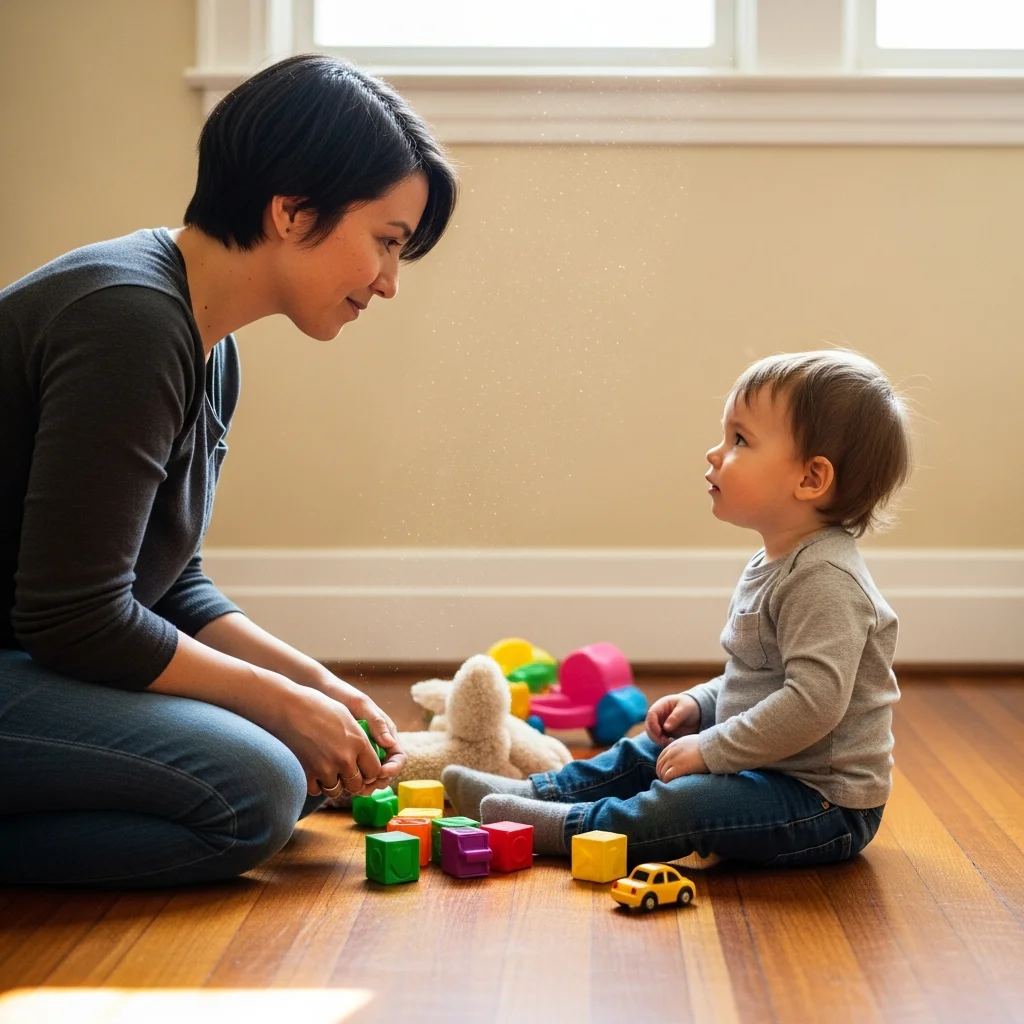
The moment you notice those physical warning signs is your golden opportunity. This simple 30-second technique has helped thousands of parents transform their reactions, and it works because it directly addresses what’s happening in your nervous system.
Here’s the exact process: Stop whatever you’re doing. Take three deep breaths, counting to four as you inhale, holding for four counts, then exhaling for four counts. That’s it. No complicated meditation or lengthy time-outs required.
Why This Actually Works
When you’re stressed, your breathing becomes shallow and rapid, which signals danger to your brain. Deliberately slowing your breath sends the opposite message—that you’re safe and can handle whatever is happening.
The counting gives your rational mind something to focus on while your emotional brain settles down. Those few seconds allow stress hormones like cortisol and adrenaline to begin dissipating instead of building to explosive levels.
You don’t need to leave the room or explain what you’re doing to your children. Simply pause, breathe, and reset. Many parents worry their kids will think they’re weird, but children actually feel more secure when they see adults managing their emotions intentionally.
Practice when you’re calm first. Try this breathing pattern during quiet moments so it feels familiar when you actually need it. The technique works best when it’s not completely new in the heat of the moment.
“Thirty seconds of intentional breathing can prevent thirty minutes of repair work after an outburst.”
How to Stop Yelling Kids and Choose Your Response
After your 30-second reset, something remarkable happens—you rediscover choice. Instead of reacting automatically, you can now respond thoughtfully. This doesn’t mean becoming a pushover or ignoring problematic behavior. It means addressing situations from a place of calm authority rather than reactive emotion.
You have several response options available: You might calmly redirect your child’s behavior with clear expectations. You could ask for their help in solving the problem together. Sometimes you’ll realize you need another minute to cool down completely before engaging.
Calm Redirection in Action
Instead of “How many times do I have to tell you to put your shoes away?!” you might say, “I see shoes by the door. Please put them in the closet now.” Same message, completely different energy.
When siblings are fighting over a toy, rather than yelling about sharing, you could say, “I see two people who want the same thing. Let’s figure out a solution that works for everyone.”
For bigger messes or mistakes, try enlisting cooperation: “Oops, looks like we have some cleanup to do. Can you grab the paper towels while I get the spray?”
When You Need More Time
Sometimes 30 seconds isn’t enough, and that’s completely normal. It’s better to say, “I need two more minutes to think about this” than to push through when you’re still activated.
Your children learn emotional regulation by watching you model it. When they see you pause, breathe, and choose your response, they’re learning invaluable life skills. You’re showing them that feelings are manageable and that adults can be trusted to stay in control.
Remember that learning to stop yelling kids is a practice, not a perfection. Some days will go better than others, and that’s part of being human. The goal is progress, not flawless execution.
Key Takeaways

- Your outbursts are usually about your own unmet needs (hunger, exhaustion, stress) rather than your child’s behavior
- Physical warning signs like tension, racing heart, or shallow breathing appear before you reach your breaking point
- A simple 30-second breathing technique (4 counts in, hold 4, out 4, repeat 3 times) can reset your nervous system
- After your pause, you can choose calm redirection, collaborative problem-solving, or taking more time to cool down
- Modeling emotional regulation teaches your children that feelings are manageable and adults can be trusted
Ready for More Calm?
Breaking the yelling cycle takes practice, but every pause you take builds your capacity for calm responses. Start with noticing your body’s signals today—that awareness alone will begin shifting your reactions. Remember, you’re not trying to become a perfect parent; you’re simply learning to respond from a place of choice rather than automatic reaction.