

Mind Racing at 2 AM?

What you eat can quiet (or amplify) your thoughts.
The clock glows 2:00 AM, yet your mind is sprinting, replaying conversations, strategizing for tomorrow, or just generally refusing to settle. This nocturnal mental marathon is a frustrating reality for many, leaving you feeling exhausted before the day even begins. While stress, screens, and life’s complexities certainly play a role, there’s a powerful, often overlooked factor that significantly influences your brain’s ability to switch off: your diet. The food and drinks you consume throughout the day, and particularly in the evening, don’t just fuel your body; they profoundly impact your neurotransmitters, hormone balance, and nervous system, dictating whether your brain winds down peacefully or revs up for another lap.
Understanding the intricate connection between your plate and your peace of mind is the first step towards reclaiming your nights. It’s not about strict diets or deprivation, but about mindful choices that nourish your body and calm your brain, setting the stage for restful sleep rather than a mental all-nighter. Let’s explore how common dietary culprits can steal your slumber and what simple swaps can help you find that much-needed inner quiet.
Tame the Caffeine Jitters
That innocent afternoon coffee, the post-dinner soda, or even hidden caffeine in certain teas or energy bars can be a major saboteur of your sleep. Caffeine is a stimulant that blocks adenosine, a neurotransmitter that promotes sleepiness. Its half-life, the time it takes for your body to eliminate half of it, can be up to 5-6 hours, meaning a cup of coffee at 4 PM could still have a quarter of its caffeine content active in your system at 4 AM. This keeps your nervous system on high alert, creating a state of physiological arousal that directly contradicts your brain’s natural desire to wind down.
Many people underestimate how long caffeine lingers, and how sensitive their individual system might be. For some, even a morning cup can subtly impact evening rest. If you’re regularly experiencing a racing mind in the dead of night, scrutinize your caffeine intake carefully. Consider setting an early afternoon cut-off time for all caffeinated beverages. Instead of reaching for that third cup of coffee or a fizzy drink in the late afternoon, switch to decaffeinated options or, even better, soothing herbal teas. Chamomile, passionflower, and peppermint teas are excellent choices that promote relaxation without the stimulating effects. Making this simple swap can significantly reduce the internal chatter that keeps you from falling, and staying, asleep.
Steady Your Blood Sugar
🎬 Watch the video version
The modern diet is often fraught with sugary snacks, refined carbohydrates like white bread and pasta, and processed foods. While these offer a momentary burst of energy and a temporary mood lift, they trigger a rapid spike in blood sugar, followed by an equally dramatic crash. This glycemic rollercoaster isn’t just bad for your energy levels; it’s a significant contributor to anxiety and fragmented sleep patterns. When your blood sugar plummets, your body perceives it as a stressor, releasing stress hormones like adrenaline and cortisol. These hormones are designed to keep you alert and ready for ‘fight or flight,’ which is precisely the opposite of what you need for restful sleep.
This nightly metabolic drama can make overthinking feel even more intense, as your body is in a state of low-level alarm. To steady your blood sugar and promote a calmer internal environment, prioritize whole, unprocessed foods. Focus on meals and snacks rich in lean proteins, healthy fats, and complex carbohydrates. Think whole grains, legumes, vegetables, and fruits. These foods are digested slowly, releasing glucose gradually into your bloodstream, preventing those sharp peaks and troughs. For instance, pairing an apple with a handful of almonds, or having whole-wheat toast with avocado, provides sustained energy and avoids the hormonal chaos that can amplify a racing mind.
Fuel for Inner Quiet
When your mind is buzzing, it’s not just a mental issue; your body is signaling a need for specific nutrients to help it calm down. Certain vitamins, minerals, and amino acids play crucial roles in synthesizing sleep-promoting neurotransmitters and relaxing your nervous system. By consciously incorporating these ‘calm-inducing’ foods into your diet, you can actively support your brain’s ability to quiet down.
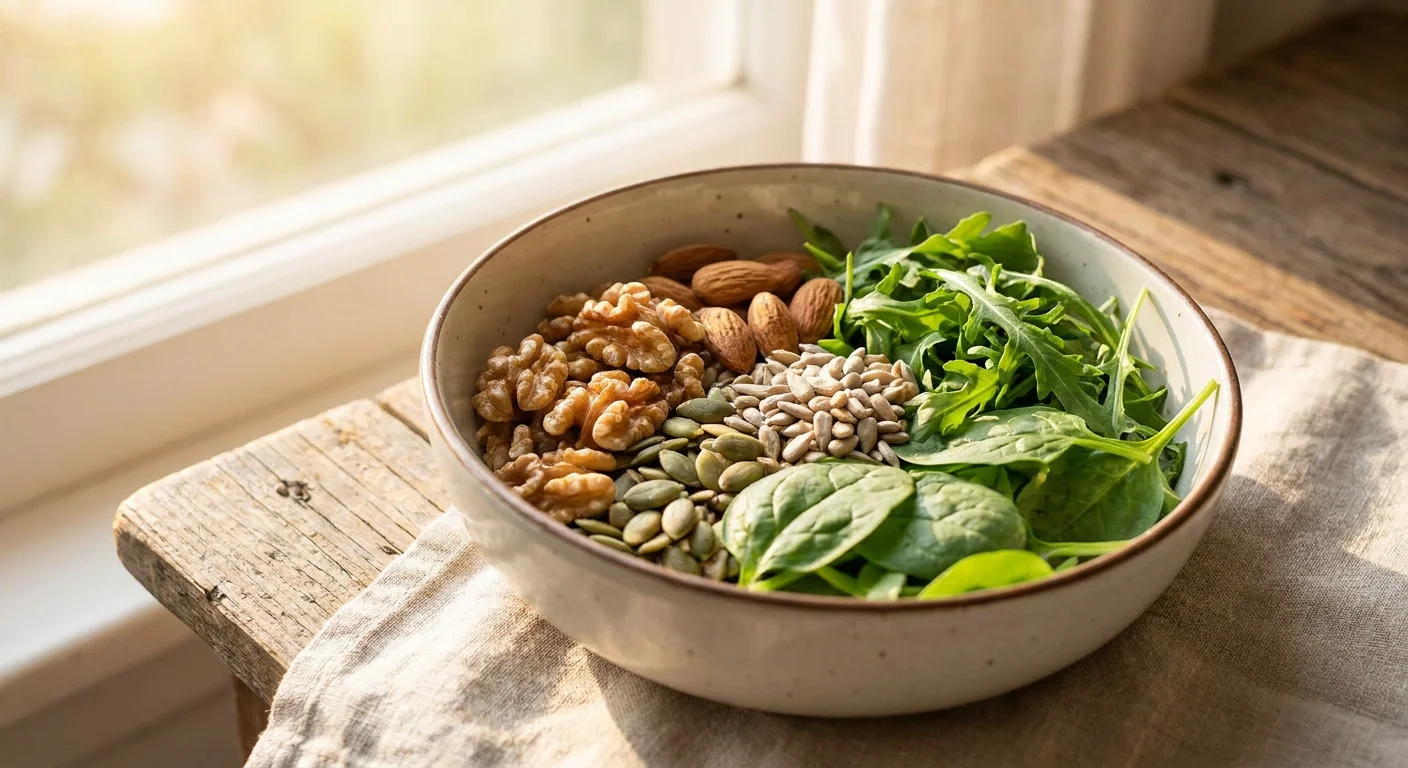
- Magnesium: Often called “nature’s tranquilizer,” magnesium is vital for muscle relaxation and regulating neurotransmitters like GABA, which calms the nervous system. Excellent sources include leafy green vegetables (spinach, kale), nuts (almonds, cashews), seeds (pumpkin, chia), legumes (black beans, lentils), and dark chocolate.
- Tryptophan: This essential amino acid is a precursor to serotonin, which in turn is converted into melatonin, the hormone that regulates sleep-wake cycles. Foods rich in tryptophan include turkey, chicken, eggs, cheese, bananas, oats, and nuts. Combining tryptophan-rich foods with a complex carbohydrate can help improve its absorption into the brain.
- B Vitamins: Particularly B6, B9 (folate), and B12, are essential for the production of serotonin and melatonin. You can find them in whole grains, leafy greens, legumes, and lean meats.
- Omega-3 Fatty Acids: Found in fatty fish like salmon, flaxseeds, and walnuts, omega-3s are crucial for brain health and can help reduce inflammation and anxiety, contributing to better sleep quality.
Making these nutrient-dense foods a regular part of your diet can provide your brain with the building blocks it needs to foster a sense of calm and prepare for restorative sleep.
Your 2 AM Calm Kit

Despite your best efforts, you might still wake up with a racing mind. When this happens, it’s important to have a strategy beyond simply lying there and wishing for sleep. First, avoid the temptation to reach for your phone or turn on bright lights, as these will only stimulate your brain further. If hunger pangs are a factor, or if your blood sugar feels low, a small, bland snack can be incredibly helpful. The key here is “small” and “bland” – you don’t want to activate your digestive system too heavily, which can generate energy and keep you awake.
Ideal 2 AM snacks include:
- A banana: Provides a dose of tryptophan and magnesium, with easily digestible carbohydrates.
- A few almonds or walnuts: Offer healthy fats, protein, and magnesium, promoting satiety and relaxation.
- A small handful of whole-grain crackers: A simple carbohydrate source to gently stabilize blood sugar.
- A A glass of warm milk: The classic remedy, warm milk contains tryptophan and creates a comforting, soothing ritual. Non-dairy alternatives like almond milk can also work.
- Calming herbal tea: A mug of warm chamomile, valerian root, or passionflower tea can be incredibly effective. The warmth itself is soothing, and the herbs have natural sedative properties.
Pairing one of these light snacks with a calming herbal tea can help settle your stomach and provide a gentle nudge towards sleep, without burdening your digestive system. Remember, the goal is to gently persuade your body and mind back to rest, not to fully re-energize.
The battle against a racing mind at 2 AM is multifaceted, but the food choices you make are a powerful, actionable lever. By understanding how caffeine, blood sugar fluctuations, and nutrient deficiencies conspire against your peace, you can begin to make informed decisions that support restful sleep. Prioritize whole foods, be mindful of your evening intake, and equip yourself with a calming strategy for those wakeful hours. Your brain, and your mornings, will thank you.
Find your quiet.