

In the relentless rhythm of modern life, it’s astonishing how often we operate on autopilot, navigating our days without a conscious check-in with our own bodies. We tackle tasks, meet deadlines, and respond to demands, all while our physical selves quietly bear the brunt of accumulating pressure. But what if I told you that your body might be holding onto tension you’re not even aware of? The subtle clench of your jaw, the persistent rise of your shoulders – these are not just minor discomforts, but often tell-tale signs of underlying stress. This article is your gentle invitation to pause, tune in, and learn practical, scientifically-backed strategies to release body tension and reclaim a sense of calm.
Why Is It Hard to Tune Into Your Body?
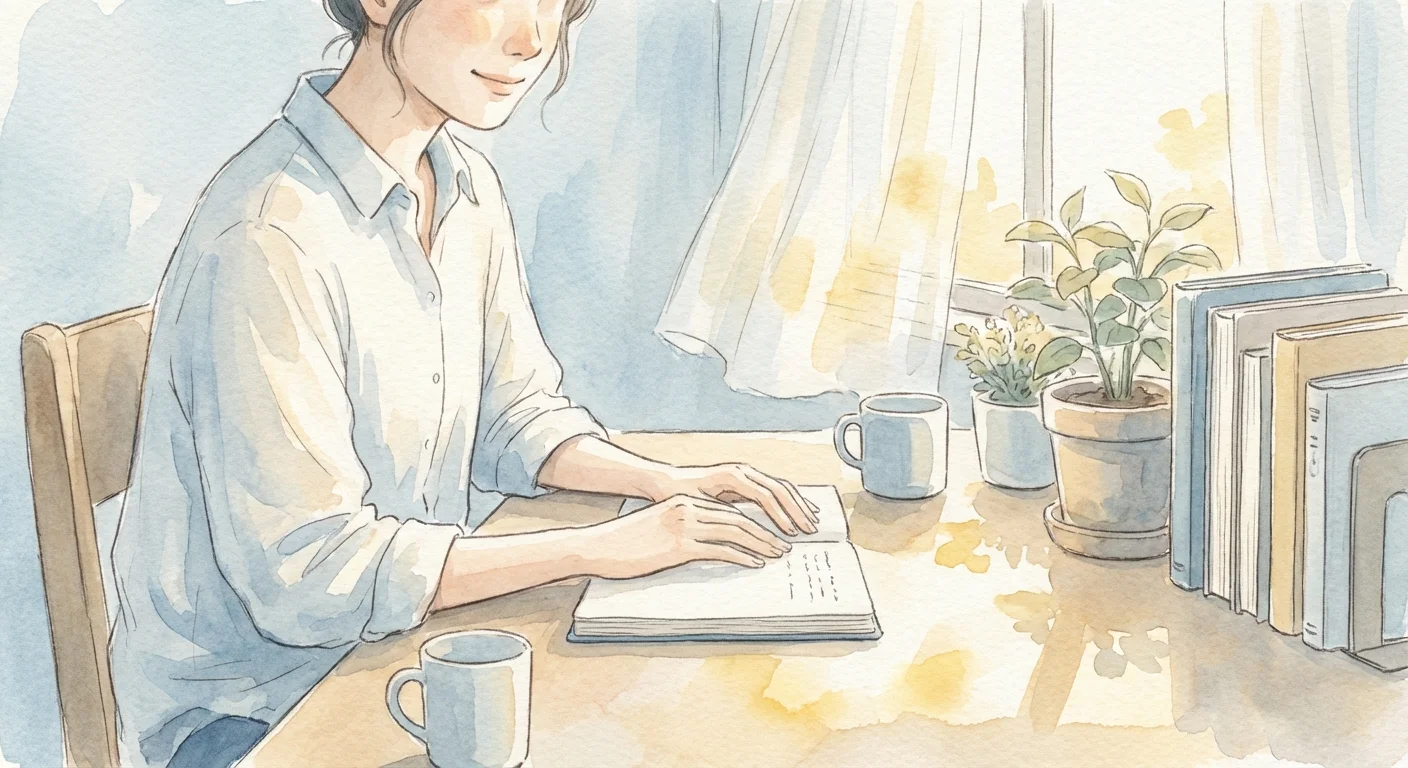
It’s incredibly easy to get caught up in the daily juggle and lose touch with our physical selves. We’re bombarded with external stimuli, from digital notifications to demanding schedules, often prioritizing external responses over internal sensations. This constant outward focus can diminish our interoception – the sense of the physiological condition of the body (Craig, 2002). When interoception is dulled, we become less aware of subtle cues like muscle tightness, shallow breathing, or a racing heart, which are early indicators of stress.
The Silent Accumulation of Stress
Our bodies are wired for survival. When faced with perceived threats, the sympathetic nervous system kicks into action, preparing us for “fight or flight.” This involves muscle tension, elevated heart rate, and heightened alertness (Harvard Medical School, 2020). While crucial for immediate danger, chronic activation due to daily stressors – traffic, work pressure, financial worries – leads to a state of allostatic load, where our body’s systems work overtime and accumulate “wear and tear” (McEwen, 1998). This manifests as persistent physical tension, often unnoticed until it becomes painful.
Take a brief pause right now. Without judgment, simply observe. How does your jaw feel? Is there a subtle clench? Are your shoulders creeping towards your ears? This simple act of observation is the first step in regaining control and learning to release body tension before it escalates. Becoming more attuned to these physical signals can empower us to intervene early and prevent the escalation of stress into chronic pain or fatigue.
How Can You Soften Your Jaw and Alleviate Stress?
Your jaw holds an astonishing amount of stress, often without you even realizing it. From grinding teeth in your sleep (bruxism) to clenching during moments of concentration or anxiety, the muscles around your temporomandibular joint (TMJ) are constantly working. This unconscious tension is a common response to psychological stress, with research highlighting a significant relationship between stress levels and jaw-related disorders (Manfredini & Lobbezoo, 2010; Wright, 2007).
The Impact of Jaw Clenching
Chronic jaw tension can lead to a host of uncomfortable symptoms: headaches, earaches, facial pain, neck stiffness, and even difficulty opening your mouth wide. This isn’t merely a localized issue; the tension held in your jaw can propagate throughout your head, neck, and shoulders, exacerbating overall muscular tightness. It’s a prime example of how stress in one area can create a ripple effect across your entire musculoskeletal system.
“Stress acts as a major contributing factor in the etiology and exacerbation of temporomandibular disorders, manifesting as increased muscle activity and pain.” – Manfredini & Lobbezoo, 2010
To begin to release body tension in your jaw, start by gently separating your teeth. Allow a tiny space between your upper and lower molars. Let your tongue rest softly on the roof of your mouth, just behind your front teeth, rather than pressing against your palate or the bottom of your mouth. Now, consciously allow your jaw to hang loose, feeling the weight of your lower jaw. You might even want to try a gentle yawn to fully relax the muscles. Imagine the tension melting away, like ice under the sun, leaving your jaw feeling soft and unrestricted.
Dropping Your Shoulders: Releasing the Weight You Carry
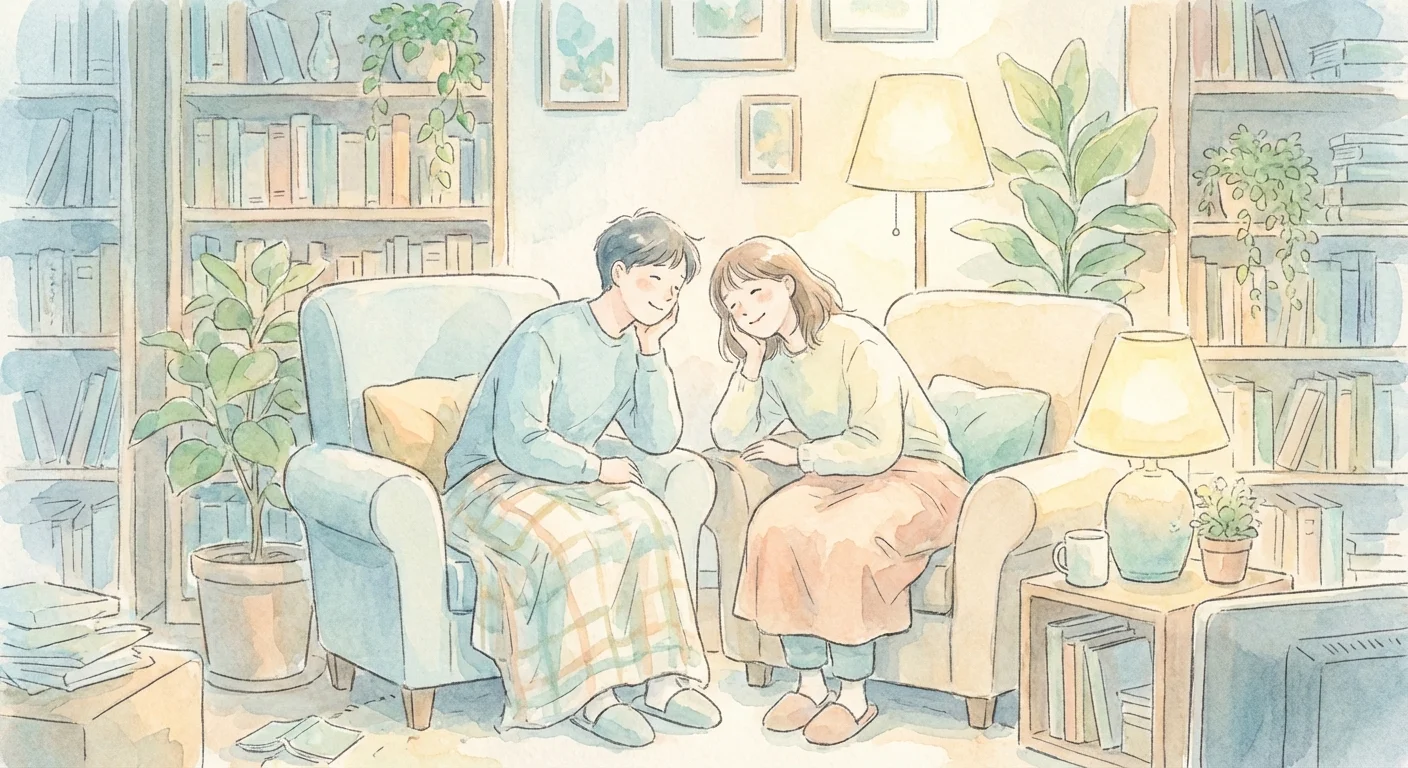
It’s a common idiom for a reason: many of us literally carry the weight of our world on our shoulders. Whether it’s the metaphorical burden of responsibilities or the physical posture adopted during prolonged computer use, our shoulders tend to creep upwards towards our ears, becoming rigid and tense. This isn’t just uncomfortable; it’s a physiological manifestation of chronic stress and poor postural habits that can lead to significant discomfort and pain (Sterling, 2006).
Understanding Shoulder Tension and Its Effects
When we’re under stress, our body’s natural response is to brace, tensing large muscle groups like those in the upper back and shoulders. This protective mechanism, intended for short bursts, becomes detrimental when sustained. Chronic tension in the trapezius and levator scapulae muscles, which elevate and rotate the shoulder blades, can restrict blood flow, accumulate metabolic waste products, and trigger pain points. This can lead to persistent neck aches, tension headaches, and a general feeling of stiffness that makes movement difficult and uncomfortable.
Additionally, elevated shoulders can impede the natural movement of the diaphragm, leading to shallow, thoracic breathing rather than deeper, abdominal breaths. This type of shallow breathing can further perpetuate the stress response, creating a vicious cycle of tension and anxiety (Russo et al., 2017).
To actively release body tension in your shoulders, try this simple exercise: Inhale deeply through your nose, deliberately bringing your shoulders up towards your ears, as high as they can go. Hold this tension for a moment, feeling the strain. Then, exhale slowly through your mouth with a deliberate sigh, letting your shoulders drop heavily, as if a great weight has been lifted. Visualize them melting down your back, creating space between your ears and shoulders. Repeat this movement a few times, focusing on the contrast between tension and release. This conscious act helps retrain your muscles to relax and signals to your nervous system that it’s safe to let go.
The Power of Micro-Pauses: Integrate Tension Release Into Your Day
The idea that you need to block out an hour for meditation or a long yoga session to effectively release tension can be daunting, and often impractical, in a busy schedule. The truth is, you don’t need a long break to make a significant difference. Integrating “micro-pauses” – short, intentional breaks of just a few seconds or minutes – can be incredibly powerful for managing stress and maintaining physical comfort throughout your day (Golaszewski & Koenigsberg, 2018).
Making Micro-Pauses a Habit
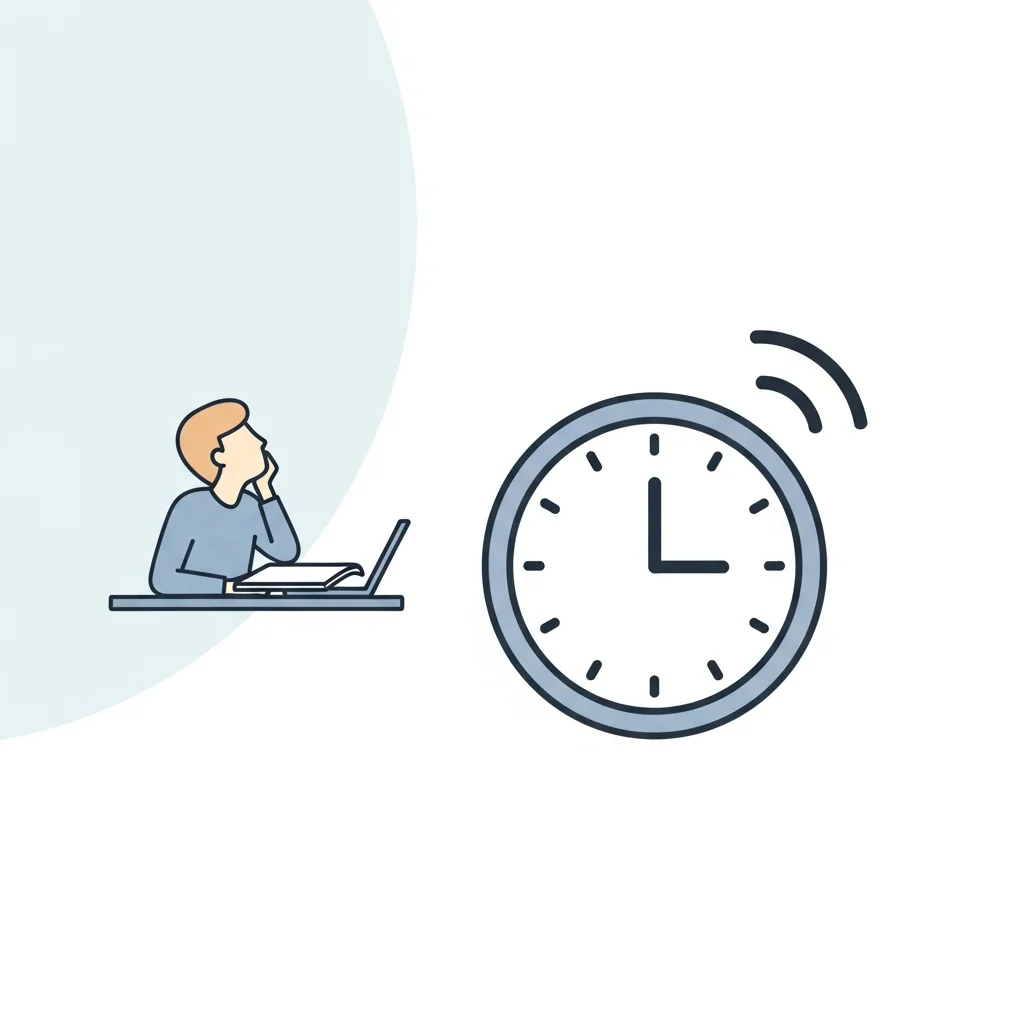
These brief moments of mindfulness and body awareness allow you to interrupt the accumulation of tension before it becomes entrenched. Think of them as miniature resets for your nervous system and musculoskeletal system. Setting a silent alarm on your phone or computer to buzz every hour or two can serve as a simple, unobtrusive reminder to take one of these vital breaks. When it buzzes, resist the urge to immediately dismiss it.
Instead, use that moment for a quick check-in. How’s your jaw? Soften it. How are your shoulders? Drop them. Take one or two deep, slow breaths, allowing your belly to expand on the inhale and contract on the exhale. This brief intentional shift in focus, away from your task and towards your body, can significantly reduce the cognitive load and physical tension that builds up over time. Research into mindfulness practices, even in short bursts, shows benefits for attention, emotional regulation, and stress reduction (Kabat-Zinn, 1990).
By regularly peppering your day with these micro-pauses, you create a consistent practice of body awareness and tension release. Over time, you’ll find yourself catching tension earlier, and perhaps even preventing it from forming altogether. It’s a testament to the idea that even a few seconds of conscious awareness can make a huge difference in your overall well-being and ability to release body tension effectively.
Key Takeaways

- Modern life often leads to a disconnection from our bodies, making us unaware of accumulating stress and tension.
- The jaw and shoulders are common “storage sites” for stress, leading to discomforts like headaches and neck pain.
- Simple, conscious acts of relaxing the jaw and dropping the shoulders can significantly alleviate physical tension.
- Micro-pauses – short, intentional check-ins throughout the day – are highly effective for preventing tension buildup.
- Consistent body awareness, even in brief moments, is a powerful tool for managing stress and promoting physical ease.
Your body deserves a break.
References
- Craig, A. D. (2002). How do you feel? Interoception: The sense of the physiological condition of the body. Nature Reviews Neuroscience, 3(8), 655-666.
- Golaszewski, N. M., & Koenigsberg, P. J. (2018). The effect of microbreaks on sustained attention: An experimental study. International Journal of Environmental Research and Public Health, 15(11), 2410.
- Harvard Medical School. (2020, July 6). Understanding the stress response. Harvard Health Publishing. Retrieved from https://www.health.harvard.edu/staying-healthy/understanding-the-stress-response
- Kabat-Zinn, J. (1990). Full catastrophe living: Using the wisdom of your body and mind to face stress, pain, and illness. Delta.
- Manfredini, D., & Lobbezoo, F. (2010). Relationship between stress and bruxism. Journal of Oral Rehabilitation, 37(1), 74-79.
- McEwen, B. S. (1998). Stress, adaptation, and disease: Allostasis and allostatic load. Annals of the New York Academy of Sciences, 840(1), 33-44.
- Russo, M. A., Santarelli, D. M., & O’Rourke, D. (2017). The physiological effects of slow breathing in the healthy human. Breathe, 13(4), 298-309.
- Sterling, M. (2006). A review of the evidence for the use of physiotherapy in the management of acute whiplash injury. Pain, 124(3), 231-236.
- Wright, E. F. (2007). The role of stress in the etiology of temporomandibular disorders. Journal of Orofacial Pain, 21(3), 181-192.