

Picture this: It’s Sunday afternoon, and instead of feeling refreshed, you’re frantically meal prepping while mentally calculating how much laundry you can squeeze in before Monday hits. Your Sunday reset routine – once a peaceful ritual – has morphed into a stress-inducing marathon. You’re not alone in this spiral, and more importantly, you don’t have to stay trapped in it.
When our weekly reset becomes another item on our performance checklist, we’ve lost the plot entirely. This article will help you recognize when your Sunday routine has gone off the rails and guide you back to a reset that actually serves you.
Notice the Pressure Building: When Sunday Reset Becomes Sunday Stress
The warning signs are subtle at first. You find yourself checking the clock during what should be relaxing activities. Your meal prep feels rushed, not mindful. You’re scrolling through productivity content while supposedly unwinding, mentally adding more tasks to your already packed Sunday agenda.
This is your Sunday reset talking back to you. When preparation becomes performance, when rest becomes another form of productivity, you’ve crossed a line that many of us don’t even realize exists.
I notice this pattern most clearly when I catch myself forcing activities that used to feel natural. The Sunday evening journal session that now feels like homework. The weekly planning ritual that’s become a source of anxiety rather than clarity. The clean kitchen that must be achieved regardless of how tired I am.
The Performance Trap
Social media has turned the Sunday reset into a performance piece. We see perfectly organized fridges, color-coordinated planners, and serene morning routines that look nothing like real life. This curated version of preparation creates an impossible standard.
Research shows that when self-care activities become rigid obligations, they lose their restorative power entirely. A 2023 study in the Journal of Behavioral Medicine found that flexible routines reduced cortisol levels more effectively than strict scheduling.
Pay attention to your internal dialogue during Sunday activities. Are you rushing through tasks to get them “done right”? Do you feel guilty when you skip elements of your routine? These are clear indicators that your reset needs a reset.
Strip Back to Essentials: The One-Thing Sunday Reset
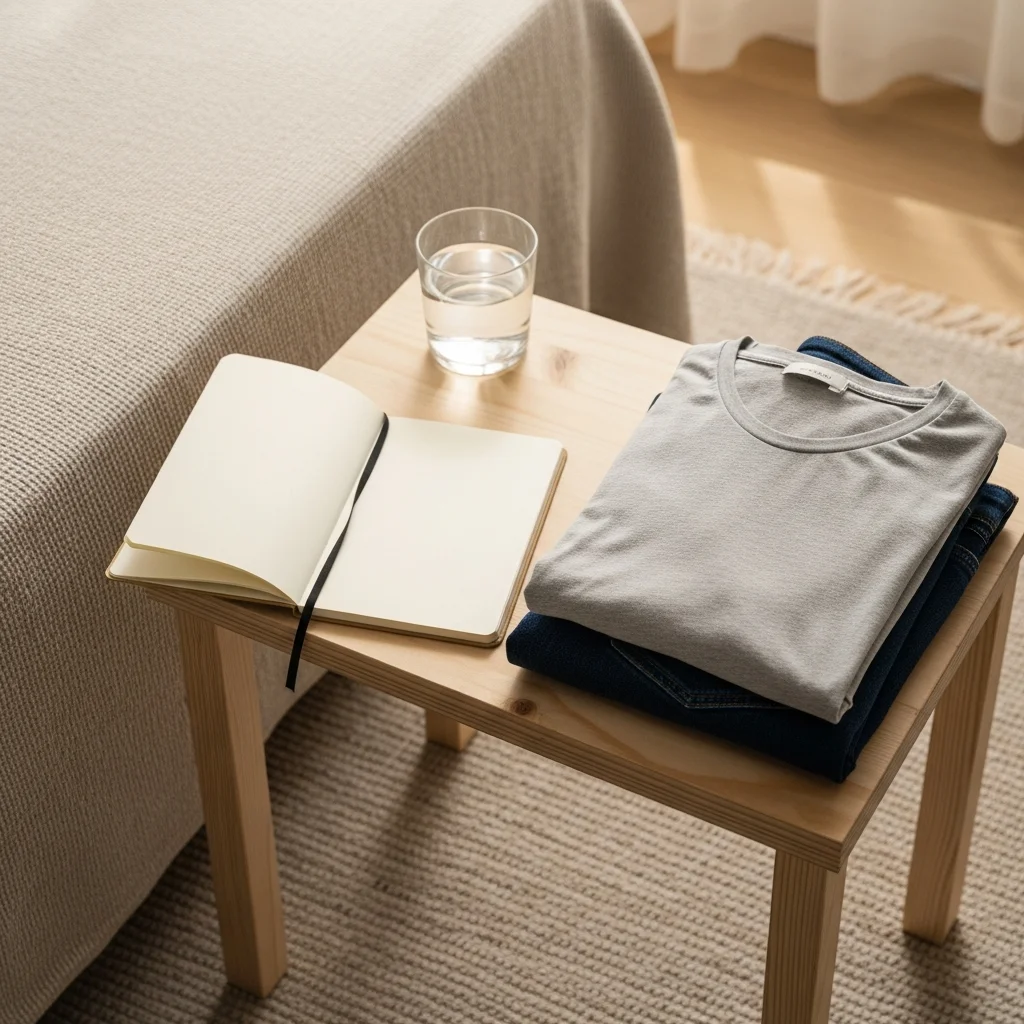
Here’s a radical idea: pick just one thing that actually makes Monday easier. Not three things, not a whole system – one single action that creates genuine ease for tomorrow.
Maybe it’s laying out your clothes the night before, so Monday morning feels less frantic. Perhaps it’s writing down three work priorities, so you’re not starting the week in reactive mode. Or it could be as simple as ensuring your water bottle is filled and ready to go.
This isn’t about being lazy or lowering standards. It’s about recognizing that sustainable habits are built on consistency, not intensity. When we try to overhaul our entire week every Sunday, we set ourselves up for the very failure we’re trying to prevent.
The Power of Optional Elements
Once you’ve identified your one essential action, everything else becomes optional. This shift in language matters more than you might think. “I should meal prep” carries weight and guilt. “I could meal prep if I feel like it” offers choice and autonomy.
“The goal isn’t to have the perfect Sunday routine. The goal is to end Sunday feeling more prepared for Monday than you started, even if that preparation looks different each week.”
I’ve watched clients transform their relationship with Sunday prep by making this single shift. When the pressure lifts, they often end up doing more preparation activities naturally – but from a place of choice rather than obligation.
Start by listing everything you currently try to accomplish on Sundays. Circle the one item that, if completed, would make the biggest positive difference in your Monday. Everything else goes in the “optional” category for now.
Build in Buffer Time: Permission for Unproductive Sundays
Real rest doesn’t come with a to-do list attached. Yet many of us have forgotten what it feels like to have unstructured time without guilt creeping in. Buffer time is sacred space for whatever your nervous system actually needs.
This might look like reading three chapters of a book without checking your phone. It could be a 30-minute nap that you don’t justify by saying you “earned it.” Sometimes it’s simply staring out the window and letting your mind wander without directing it toward problem-solving.
The neuroscience backs this up. Our brains need periods of what researchers call “default mode network activation” – essentially, mental downtime where we’re not focused on specific tasks. This state is crucial for emotional regulation, creative thinking, and stress recovery.
Protecting Your Buffer Time
Buffer time requires boundaries, both with others and with yourself. This means saying no to Sunday social commitments that drain rather than restore you. It means not filling every quiet moment with podcasts or productivity content.
I recommend scheduling buffer time like you would any important appointment. Block out 1-2 hours on Sunday with nothing planned. If you feel anxious about this “wasted” time, start with 30 minutes and gradually increase as you remember how good genuine rest feels.
During buffer time, notice what your body and mind are asking for. Are you craving movement or stillness? Connection or solitude? Mental stimulation or complete quiet? Honor these impulses without judgment.
Redefine Sunday Success: Beyond the Perfect Routine

Success on Sunday isn’t measured by how many tasks you completed or how closely you followed your ideal routine. Sunday success is listening to what you need today and having the courage to honor that need, even when it doesn’t look productive.
Some Sundays, success might look like ordering takeout instead of meal prepping because you’re emotionally depleted and need ease. Other Sundays, it might mean canceling plans to stay home with a book and a cup of tea. Occasionally, it could even mean diving into a project that excites you, routine be damned.
This flexible approach requires us to tune into our internal state rather than following external rules. It asks us to distinguish between what we think we should want and what we actually need.
Weekly Check-ins with Yourself
Before diving into any Sunday activities, take five minutes to check in with yourself. How are you feeling physically? What’s your emotional state? What kind of energy do you have available? What would feel most nourishing right now?
These questions help you customize your Sunday reset to your actual needs rather than your imagined obligations. Sometimes you need structure and preparation. Sometimes you need complete spontaneity and rest. Both are valid responses to life’s demands.
Remember that your Sunday reset can evolve week by week, season by season. The routine that serves you during busy work periods might feel suffocating during vacation weeks. Stay curious about what works rather than attached to what worked before.
Key Takeaways
- Sunday reset routines become problematic when they shift from supportive rituals to performance obligations
- Focus on one essential preparation activity that genuinely makes Monday easier, making everything else optional
- Buffer time for unproductive rest is crucial for nervous system recovery and shouldn’t require justification
- Success on Sunday means honoring your actual needs rather than following an idealized routine
- Flexible approaches to weekly preparation are more sustainable and effective than rigid systems
What’s One Sunday Pressure You’re Letting Go?

Take a moment right now to identify one Sunday “should” that’s been weighing on you. Maybe it’s the elaborate meal prep, the perfect house cleaning, or the lengthy planning session that feels more stressful than helpful.
What would it feel like to release that pressure and see what emerges in its place? Share your Sunday pressure release in the comments – you might inspire someone else to let go of their own unnecessary burden.