
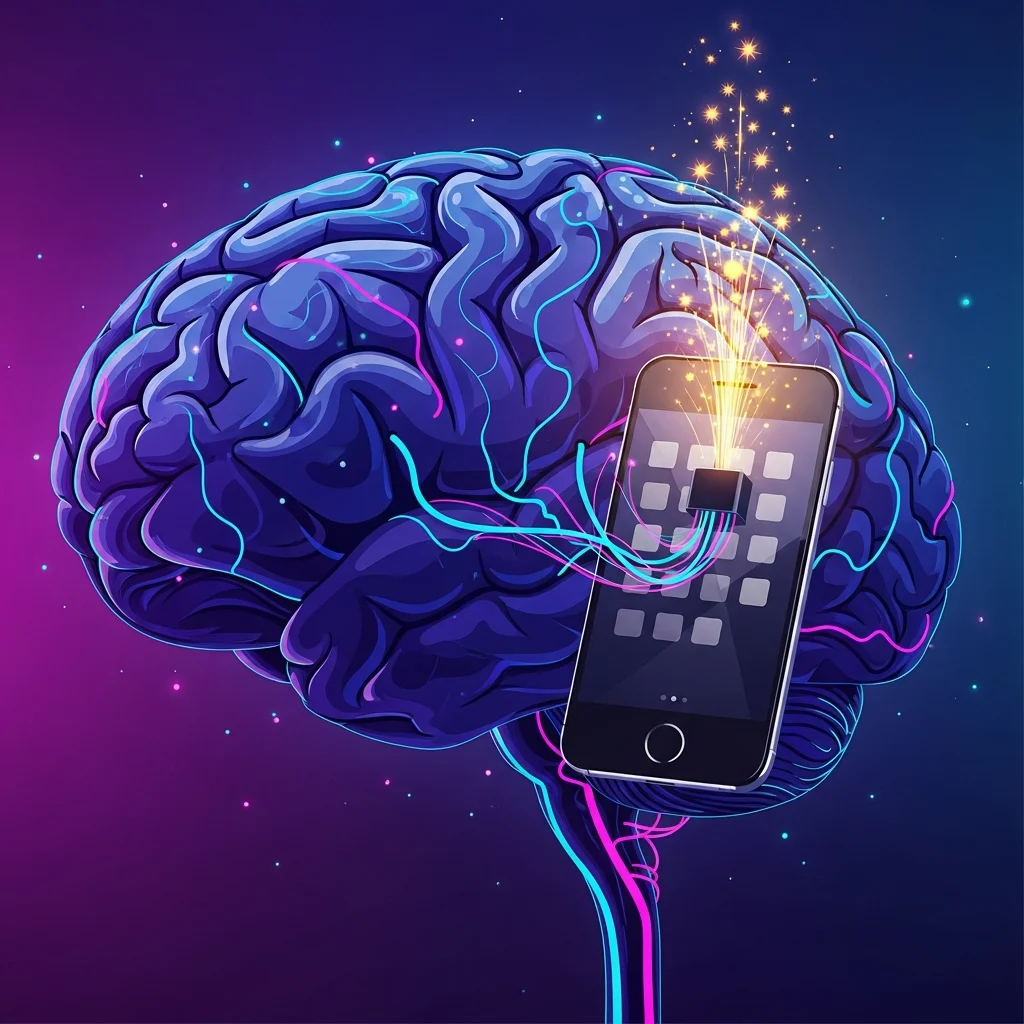
You know the feeling: it’s past 10 PM, you’re scrolling through your phone “just for a few minutes,” and suddenly it’s midnight. Despite feeling exhausted, you can’t seem to put the device down. This late night scrolling habit isn’t just a lack of willpower—it’s your brain’s reward system working exactly as it was designed, just not in your best interest. Understanding why your nervous system craves this digital stimulation is the first step toward reclaiming your evenings and getting the restorative sleep your body needs.
Your Brain’s Reward System and Late-Night Scrolling
Every time you swipe, tap, or see a new notification, your brain releases a small burst of dopamine—the same neurotransmitter involved in addiction. This isn’t an accident. Social media platforms and apps are specifically designed to trigger what psychologists call “variable ratio reinforcement,” the most powerful type of behavioral conditioning.
Think of it like a slot machine. You never know when you’ll get that perfect meme, interesting news article, or social validation through likes and comments. This unpredictability makes the behavior incredibly compelling to your nervous system, which interprets these dopamine hits as signals that this activity is crucial for your survival.
Why Your Brain Thinks Scrolling Is Important
Your primitive brain doesn’t distinguish between genuinely important information and digital entertainment. When you’re scrolling through social feeds, your nervous system processes each piece of new information as potentially vital. This triggers a state of hypervigilance—your brain stays alert and engaged, convinced that missing the next post could mean missing something important.
Research from the University of California, Irvine found that the average person checks their phone 144 times per day. During evening hours, this constant stimulation prevents your nervous system from transitioning into the parasympathetic state necessary for quality sleep.
“The brain doesn’t naturally know how to resist these digital dopamine hits—it’s like asking someone to resist feeling hungry. The key is changing the environment, not relying on willpower alone.” – Dr. Anna Lembke, Stanford Addiction Medicine
How Screens Keep Your Body On Alert
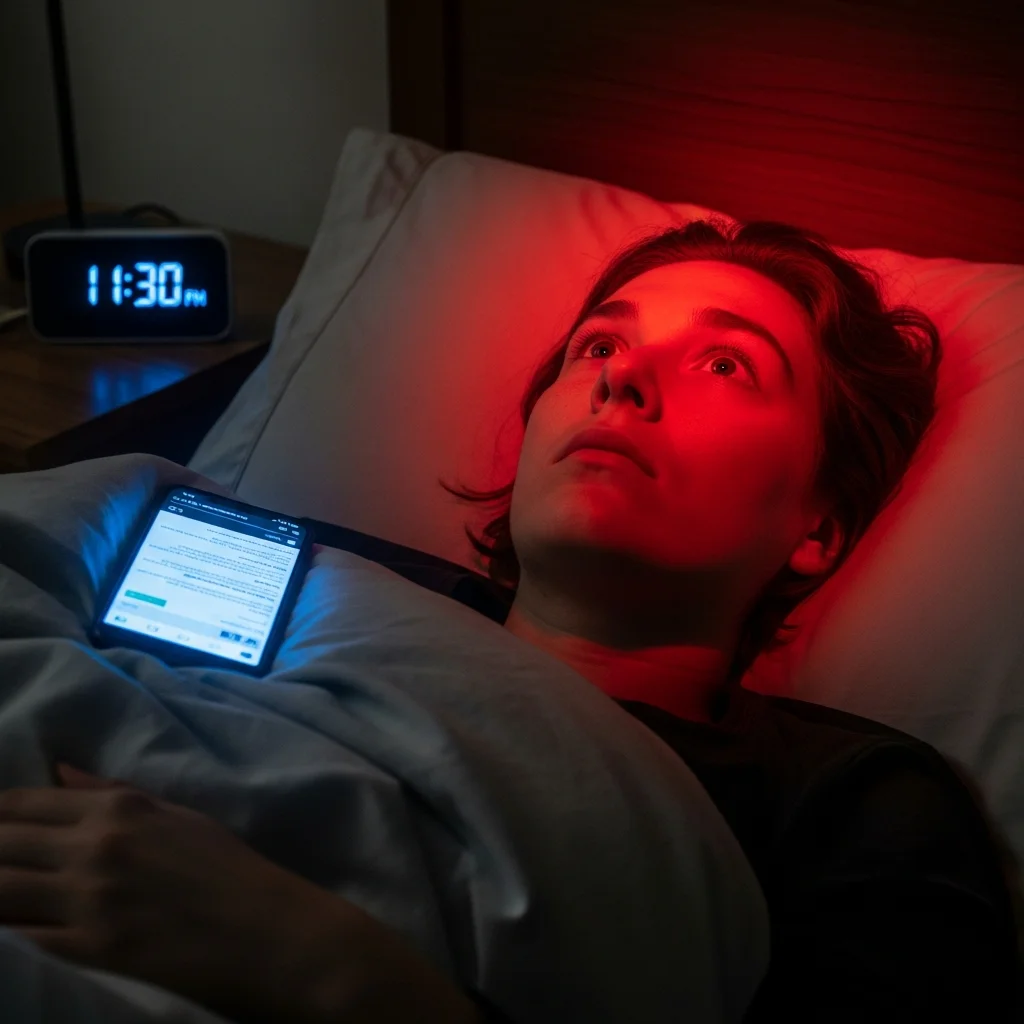
The blue light emitted by phones, tablets, and computers disrupts your body’s natural circadian rhythm in two significant ways. First, it suppresses melatonin production—the hormone responsible for making you feel drowsy and preparing your body for sleep. Even small amounts of blue light exposure can delay melatonin release by up to three hours.
But the light is only part of the problem. The content you’re consuming during late night scrolling creates a state of chronic low-level stress. Your nervous system remains in what’s called “sympathetic activation”—a mild version of fight-or-flight mode that keeps your heart rate elevated, your muscles slightly tense, and your mind racing.
The Physical Impact on Your Sleep
When you finally put your phone down after an extended scrolling session, your body doesn’t immediately switch into sleep mode. Your nervous system needs time to downregulate from the stimulated state. This is why you might feel “tired but wired”—physically exhausted but mentally buzzing.
Studies show that people who use devices within an hour of bedtime take an average of 10 minutes longer to fall asleep and experience 23% less REM sleep. REM sleep is crucial for memory consolidation, emotional regulation, and mental recovery.
The constant stream of information also triggers your brain’s “novelty bias”—the tendency to pay attention to new stimuli. This evolutionary mechanism helped our ancestors stay alert to potential threats, but in the digital age, it keeps us scrolling through endless feeds when we should be winding down.
Create a Wind-Down Ritual That Works
Breaking the late night scrolling habit requires replacing it with activities that actively signal to your nervous system that it’s time to rest. The key is choosing alternatives that provide some of the same psychological benefits as scrolling—relaxation, entertainment, or learning—without the stimulating effects.
Effective Alternatives to Screen Time
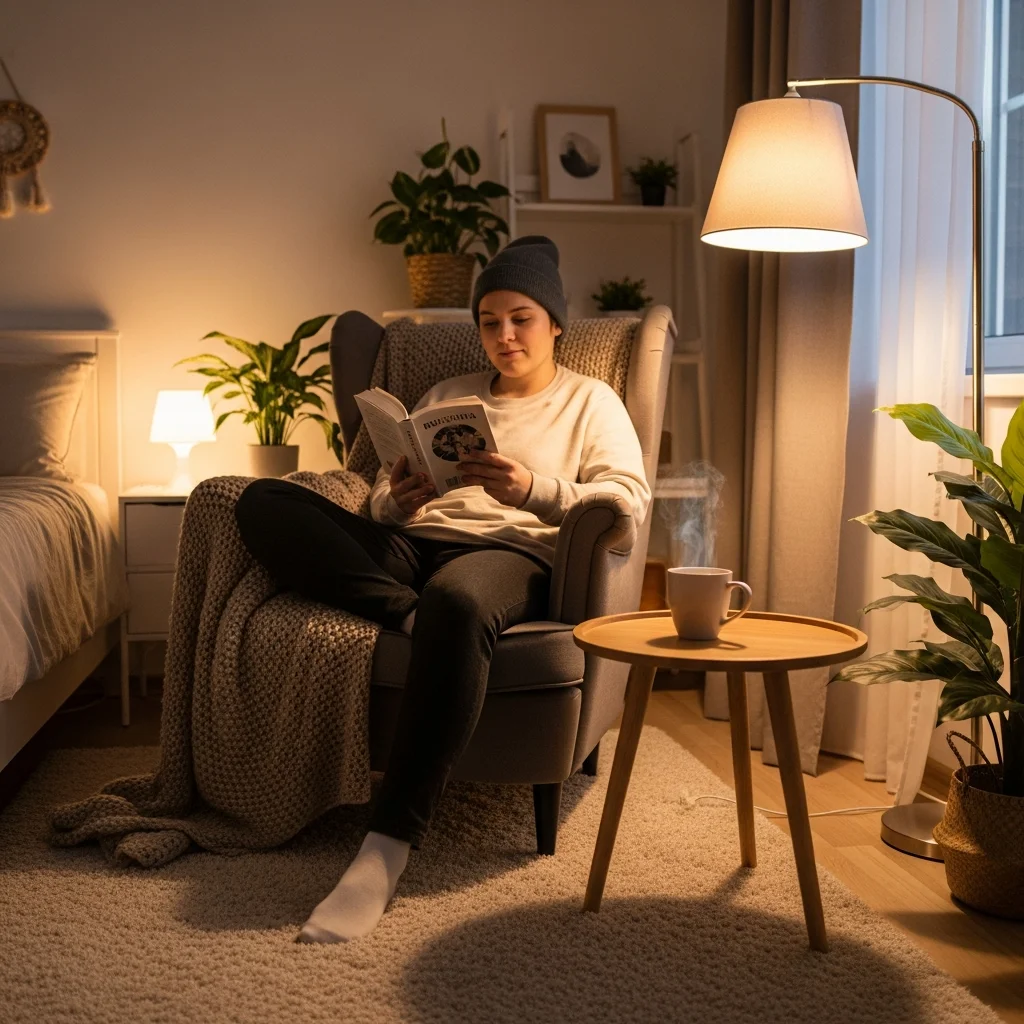
Reading physical books engages your mind without the blue light exposure or endless scroll. Choose fiction or light non-fiction rather than intense, thought-provoking material. The physical act of turning pages and the limited content helps create natural stopping points.
Gentle movement like light stretching or restorative yoga helps discharge the physical tension accumulated throughout the day. Focus on slow, deliberate movements that encourage deep breathing and activate your parasympathetic nervous system.
Creating a warm drink ritual serves multiple purposes: the warmth can slightly raise then lower your core body temperature (mimicking the natural temperature drop that promotes sleep), and the routine itself becomes a powerful sleep cue. Try herbal teas like chamomile, passionflower, or lemon balm, which have mild sedative properties.
Timing Your Wind-Down
Start your wind-down ritual at least one hour before you want to fall asleep. This gives your nervous system adequate time to transition from the alert, sympathetic state to the calm, parasympathetic state necessary for quality sleep.
Keep your wind-down activities consistent. Your brain thrives on routine and will begin preparing for sleep as soon as you start your established ritual. This classical conditioning makes falling asleep easier over time.
Set Up Digital Boundaries for Better Sleep
Creating effective boundaries around late night scrolling requires both technological solutions and environmental changes. The goal is to make accessing your devices less convenient while making sleep-promoting activities more appealing.
Implement a Phone Curfew
Establish a specific time each evening when all devices go away—ideally 1-2 hours before bedtime. This isn’t just about willpower; it’s about creating a clear transition between “day mode” and “sleep preparation mode.” Many people find success with a 9 PM cutoff if they typically sleep by 11 PM.
Charge your phone outside your bedroom entirely. This removes the temptation for late-night scrolling and eliminates the possibility of being awakened by notifications. If you use your phone as an alarm, invest in a dedicated alarm clock instead.
Optimize Your Sleep Environment
Make your bedroom a device-free sanctuary. Remove TVs, laptops, and tablets from the space. This helps your brain associate the bedroom exclusively with sleep and rest, rather than entertainment and stimulation.
If you must have a device nearby for emergencies, enable “Do Not Disturb” mode and place it face-down in a drawer. The key is making access require intentional effort rather than reflexive reaching.
Consider using blue light blocking glasses if you occasionally need to use devices in the evening. While not a perfect solution, they can reduce some of the sleep-disrupting effects of screen time.
Replace Digital Entertainment
Stock your bedroom with analog alternatives: physical books, journals, puzzle books, or art supplies. Having these items readily available makes it easier to choose them over reaching for your phone when you feel the urge to scroll.
Create a “bedside basket” with all your wind-down essentials: herbal tea, a good book, a journal, and perhaps some essential oils for aromatherapy. This makes your new routine as convenient as possible.
Key Takeaways
- Late night scrolling triggers dopamine release and keeps your nervous system in an alert state, making quality sleep difficult to achieve
- Blue light suppresses melatonin production, while digital content creates chronic low-level stress that prevents proper wind-down
- Effective alternatives like reading physical books, gentle stretching, and warm drink rituals help signal to your body that it’s time to rest
- Digital boundaries, including phone curfews and device-free bedrooms, remove temptation and create clear transitions between day and night modes
- Consistency in your wind-down routine trains your nervous system to prepare for sleep automatically
Try a New Evening Habit
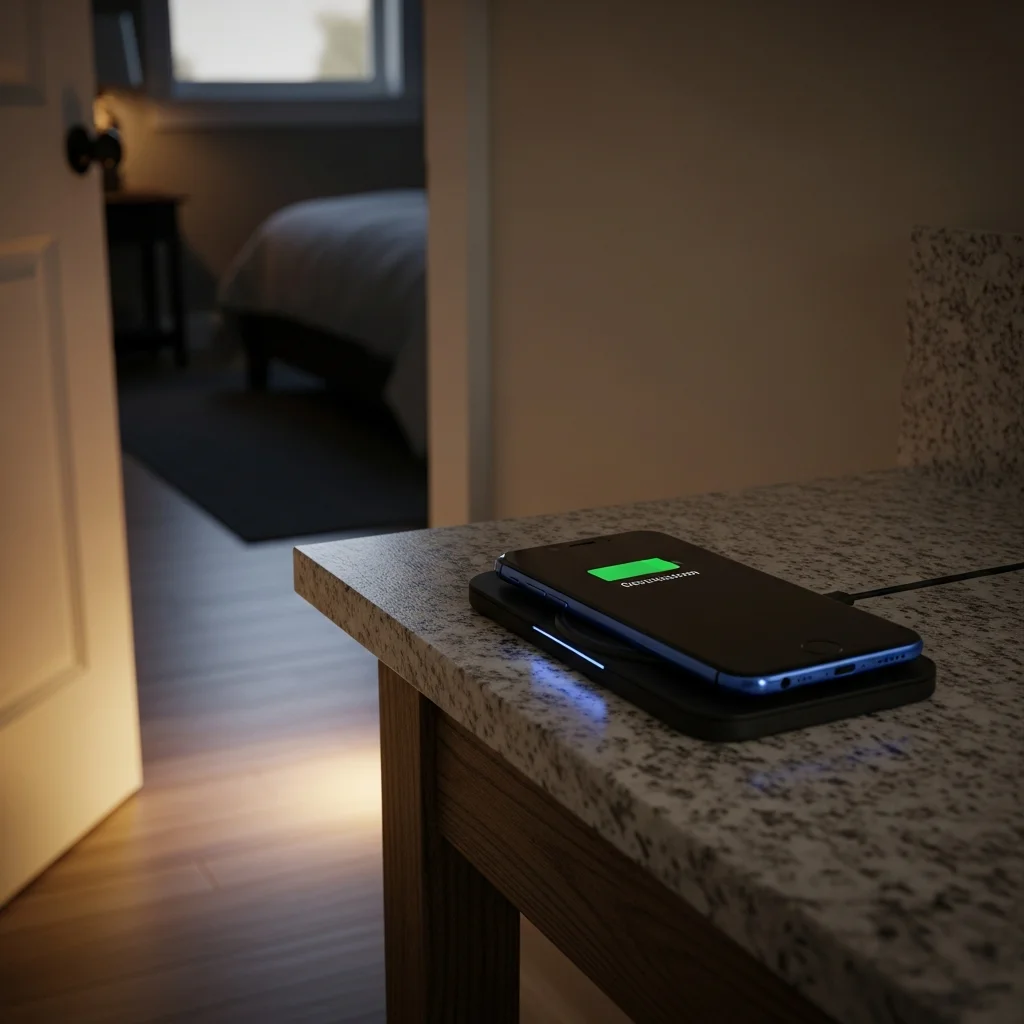
Tonight, experiment with putting your phone in another room one hour before your usual bedtime. Replace that scrolling time with one calming activity—reading a few pages of a book, doing gentle stretches, or preparing a cup of herbal tea. Notice how your body and mind respond to this change.
Remember, breaking the late night scrolling habit isn’t about perfect willpower—it’s about understanding your nervous system and creating an environment that supports the rest you need. Start with small changes and build from there. Your brain will thank you with deeper, more restorative sleep.